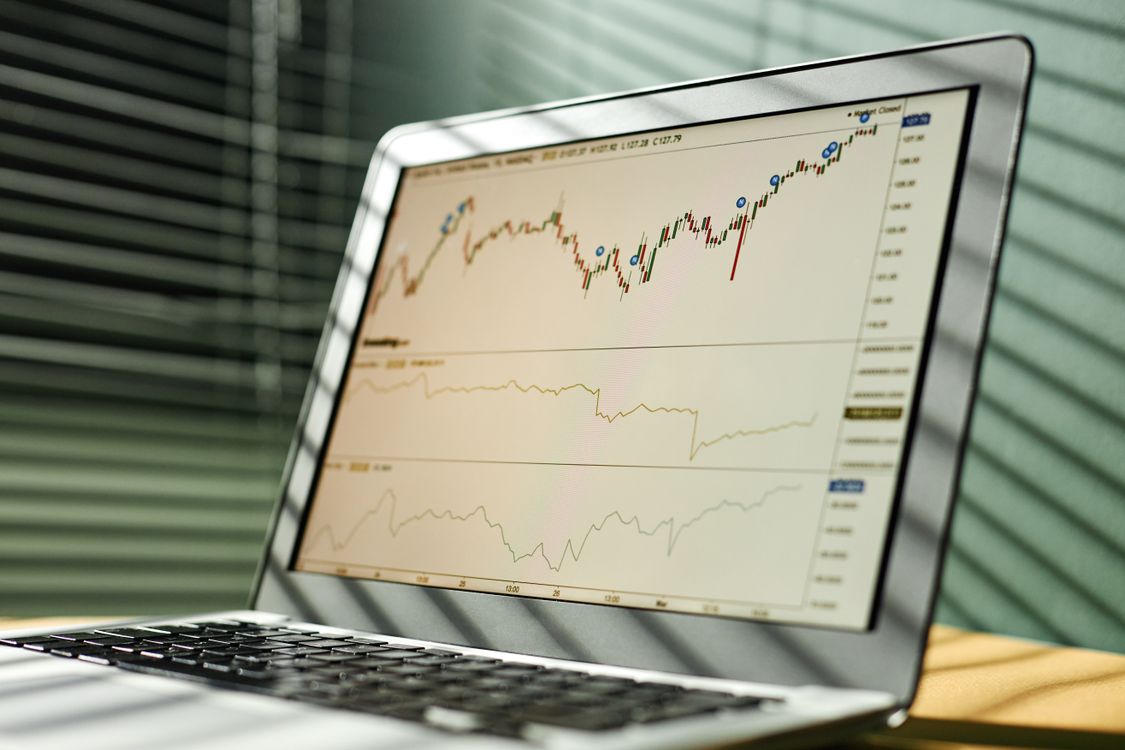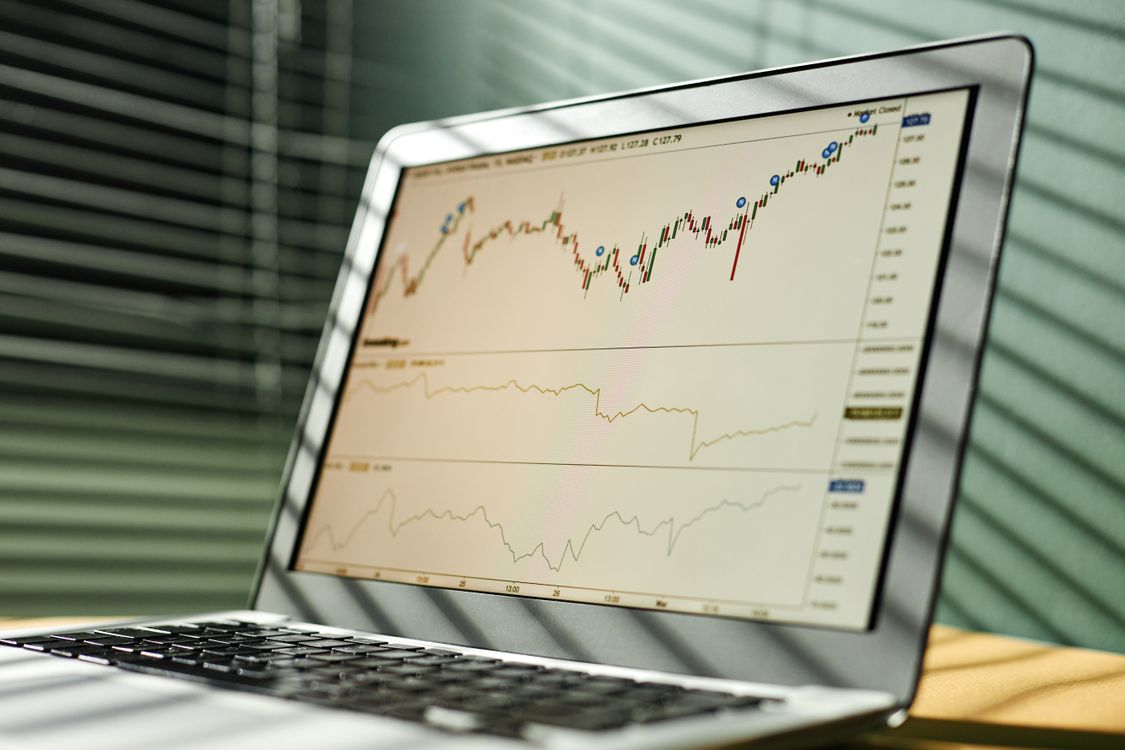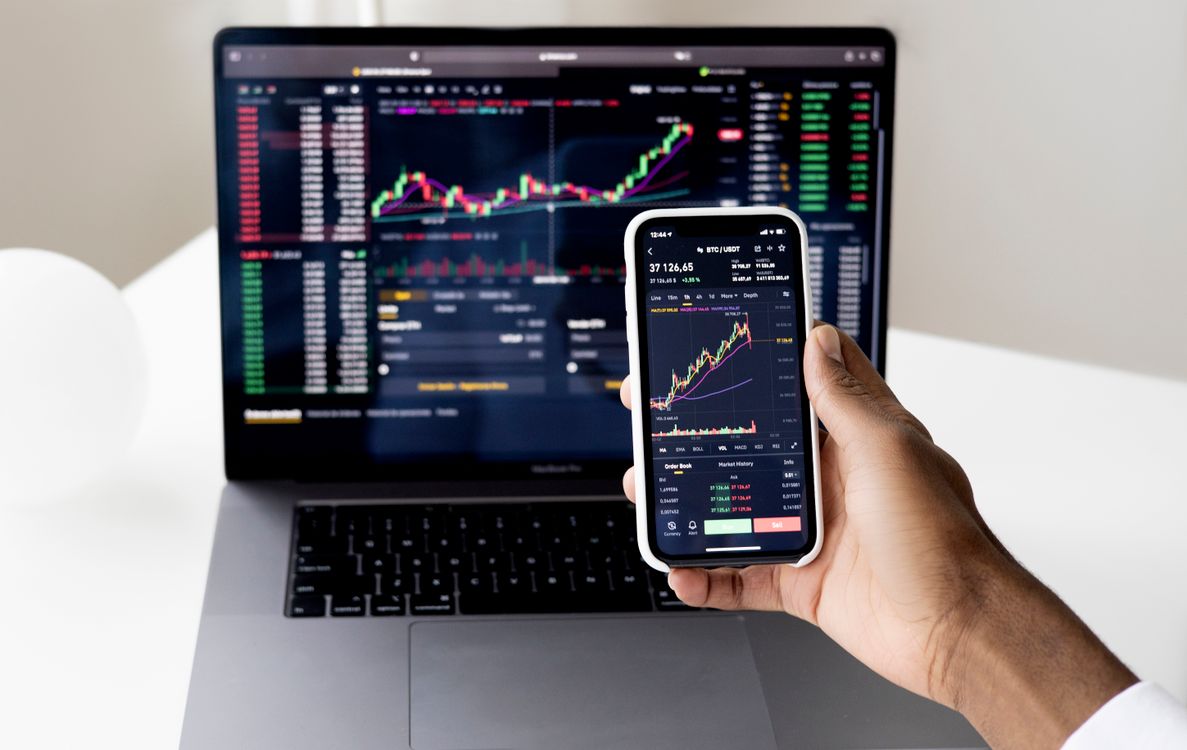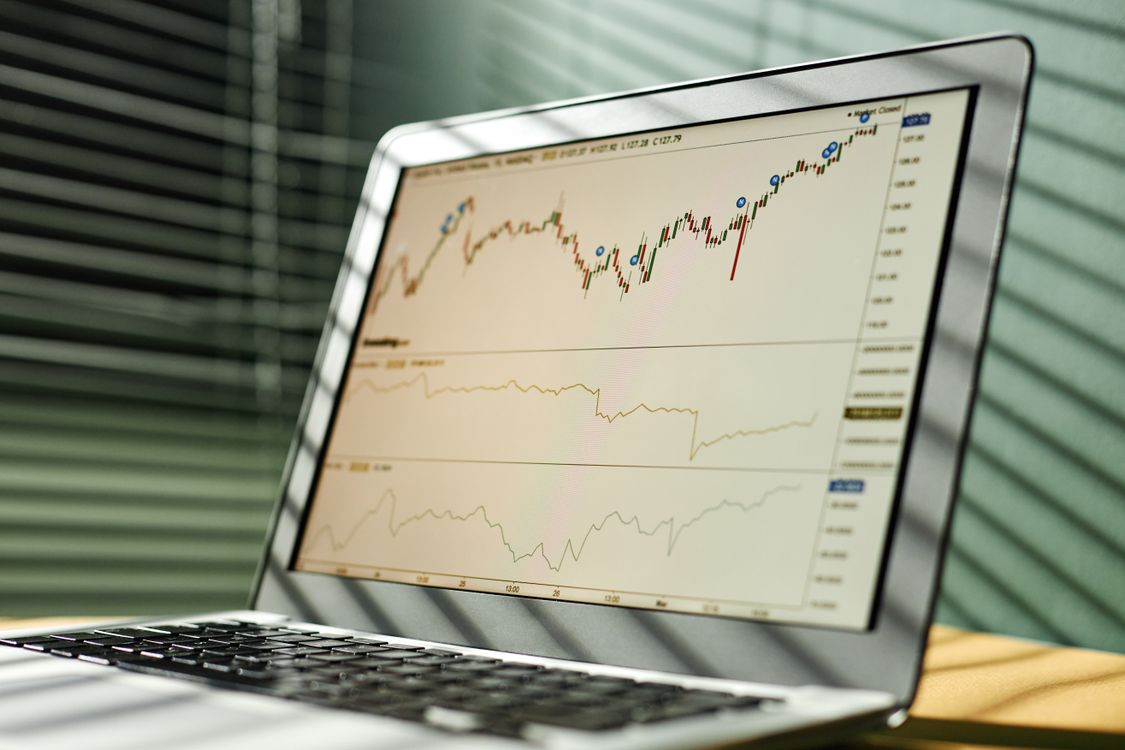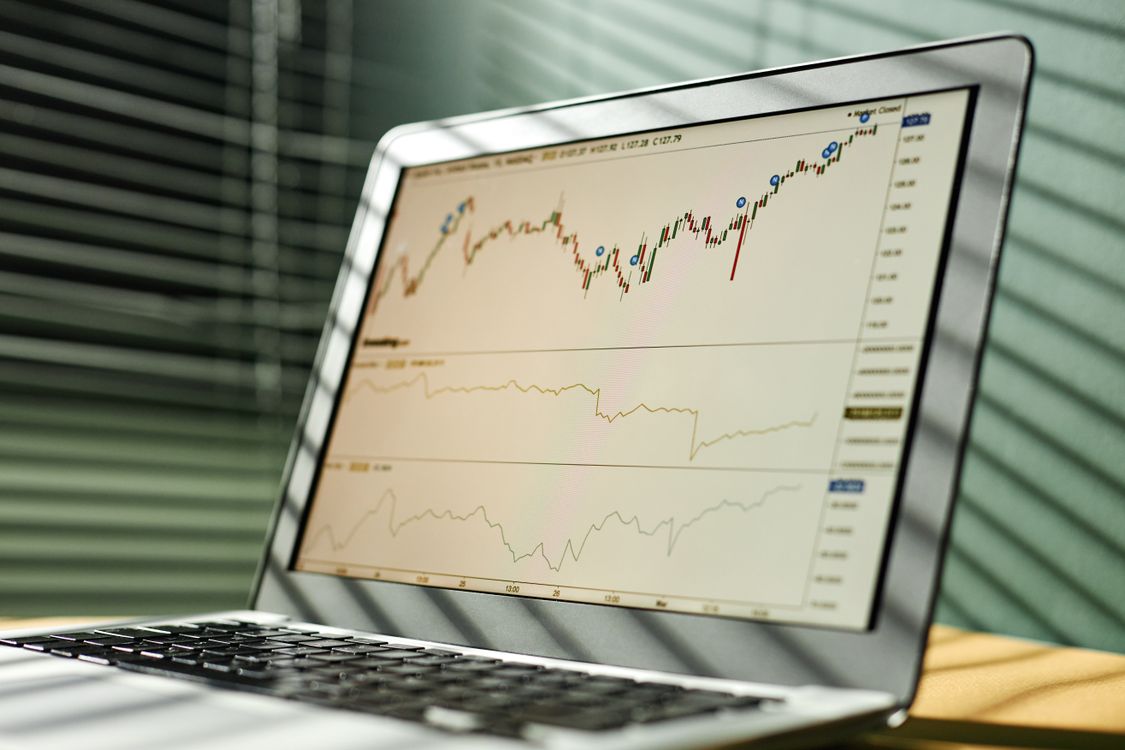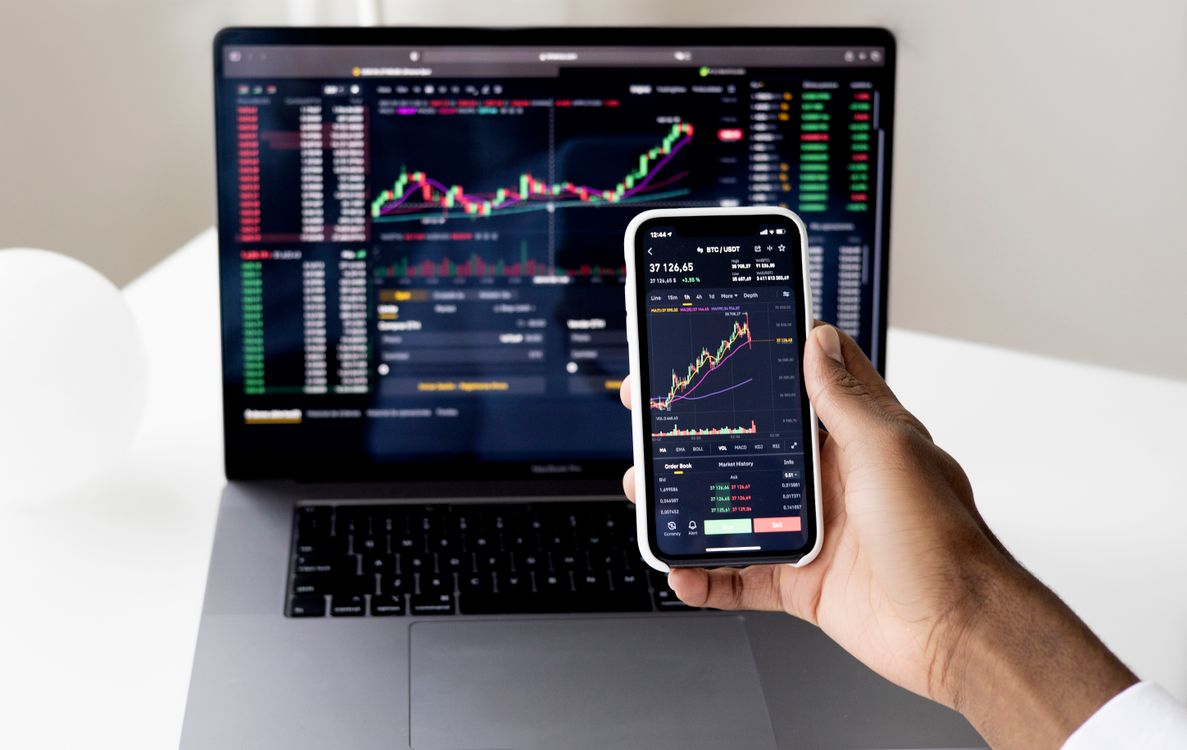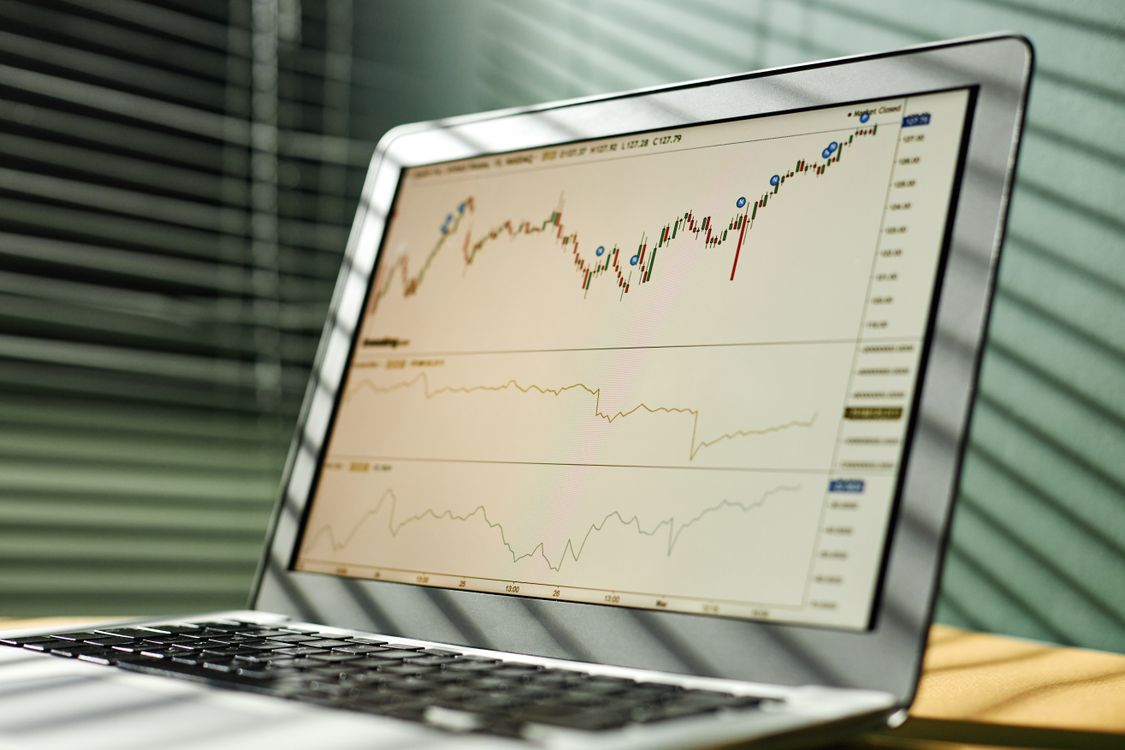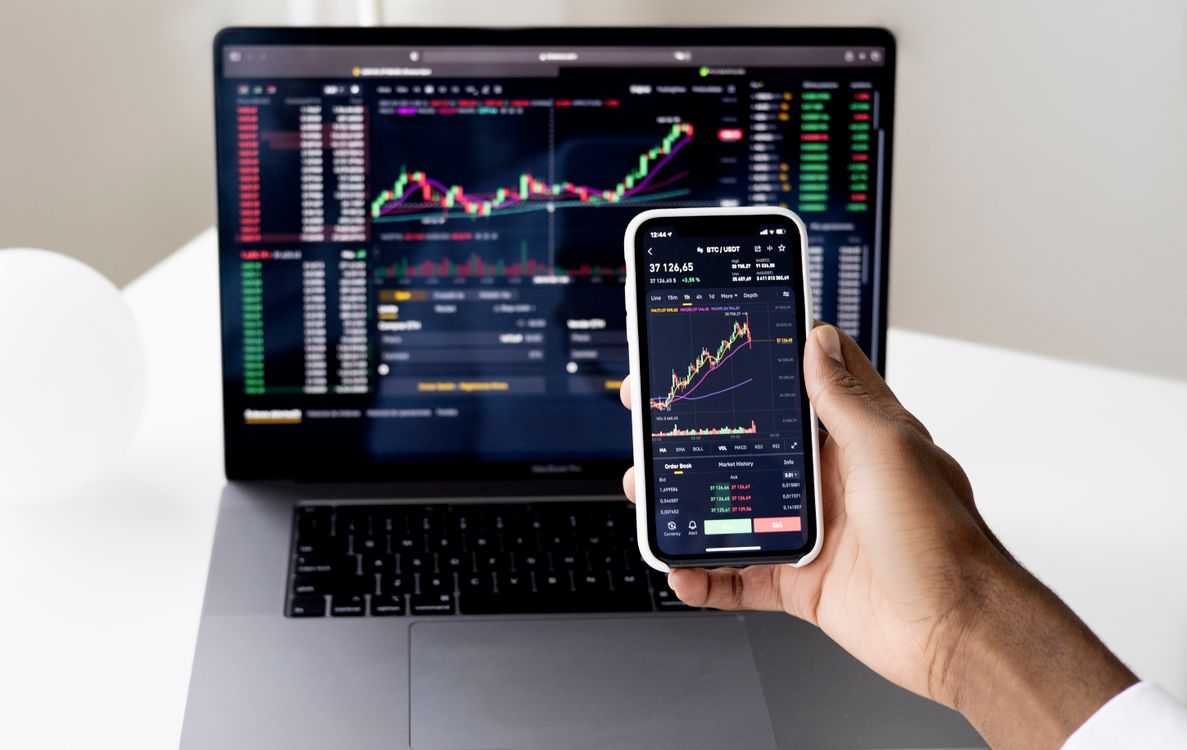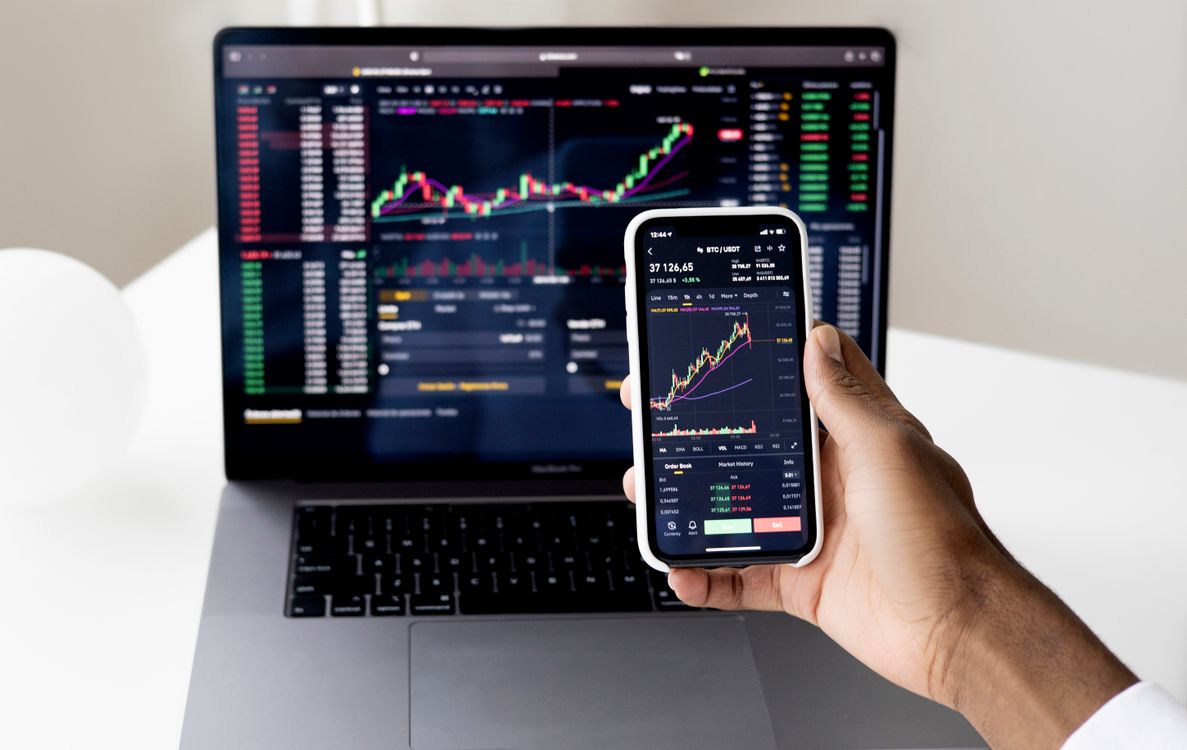
Friday’s closing bell told one story. Sunday told another. The week that just ended was Wall Street’s best in a month: the Dow Jones Industrial Average rose 478.64 points (0.9%) on Friday to close at 51,828.62, the S&P 500 added 39.28 points (0.5%) to finish at 7,743.41, and the Nasdaq Composite climbed 129.34 points (0.5%) to end at 27,068.72 (AP via Barchart, Investopedia). For the week, the Dow gained 0.3%, snapping a three-week losing streak, while the S&P 500 rose 1.2% and the Nasdaq jumped 2.1%, both posting their biggest weekly gains since August (Barron’s).
The rally was led by the names everyone already knows. Meta jumped roughly 13% on the week on enthusiasm for its new Muse AI agent (tamaranews.com), and Microsoft closed up nearly 4% on Friday. Akamai rose 3% on Friday after announcing a multiyear AI infrastructure deal with Anthropic (mtrushmorecrypto.com). Not every stock joined the party. Bank of America downgraded Nike to Underperform and cut its price target to $30, a reminder that a rising market does not lift every boat.
But the real story of the week was not the rally. It was what the rally had to climb over. The 10-year Treasury yield touched an intraday high of 5.23% on Friday before drifting to a close of 5.17% (TheStreet), its highest level since the 2008 financial crisis. The 30-year yield breached 5.5% for the first time since 2004, and crude oil’s volatility kept diesel prices near records. Small caps sat out the celebration: the Russell 2000 slipped 0.8% on the week, a sign that the cost of borrowing is still biting the smaller companies that live on credit (tamaranews.com).
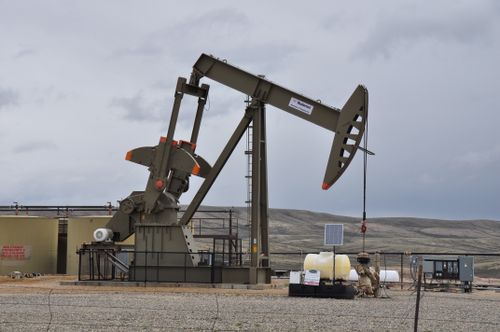
Friday’s lift came from oil, oddly enough. Reports of progress in U.S.-Iran talks sent crude lower and gave stocks room to breathe (Barron’s). U.S. Bank’s Rob Haworth summed up the market’s gamble on Friday: as long as investors believe the high rates are transitory, he said, the market can keep shrugging off a 5.2% 10-year and $90-plus oil. That is my read too, and it is a fragile kind of faith.
Then Sunday changed the subject. President Trump told reporters he had rejected Iran’s proposal for a ceasefire and a full reopening of the Strait of Hormuz, saying the deal on offer was not the one he wants. He claimed the U.S. had moved a “record amount” of oil out of the strait the previous night, and told Axios he expects talks with Iran to resume this week (The Times). Treasury Secretary Scott Bessent said on Fox News that 15 to 22 million barrels a day were now passing through the strait, roughly matching the pre-conflict level of about 20 million, and described Iran as “on their knees” economically. Brent crude fell more than 2% on the news (CoinCentral).
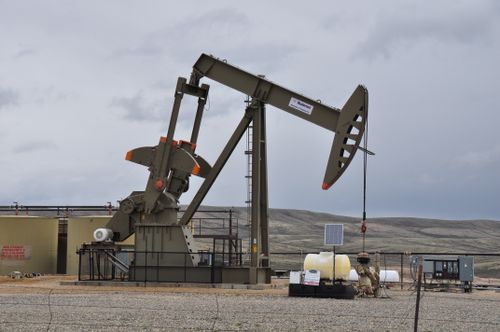
The oil picture is moving on more than one front. Saudi crude shipments have surged to a war-time high above 5 million barrels a day, even as flows face risks from Hormuz and the Red Sea, and U.S.-Iran diplomacy keeps flickering between breakthrough and breakdown (Bloomberg, via academyinfo.net). In New York, Ukrainian President Volodymyr Zelenskyy said he was ready for an energy truce with Russia as a first step toward ending the war, provided Moscow stopped its own attacks on Ukraine’s infrastructure (Bloomberg Daybreak Europe, via academyinfo.net). Energy, in other words, is where diplomacy and markets collide this week.
So here is where things stand as Asia opens for its Monday and U.S. futures price a new week. Stocks ended the week near their records (the S&P sits about 1% below its August 13 closing high of 7,816.70), the bond market is charging prices nobody under 45 has navigated as a working adult, and oil’s path now depends on talks that Trump says will resume this week. Jefferies kicks off the earnings week on Monday, then comes a data calendar that will decide whether the 5.2% wall is the ceiling or the floor.
My take on the weekend: the market’s relief rally on Friday was built on hope for an Iran deal. Sunday’s rejection did not kill that hope, but it moved it to next week. Monday morning will tell us whether investors keep believing the high rates are transitory, or start pricing a world where they are not.