On Thursday, on the sidelines of the United Nations General Assembly in New York, Iran’s foreign minister laid out a proposal with a clock on it. Abbas Araghchi told a private gathering of journalists and academics that Iran would reopen the Strait of Hormuz and resume talks on its nuclear program within seven days if the United States lifts its naval blockade, waives sanctions on Iranian oil sales, and observes a ceasefire that would include Lebanon. That is according to the Associated Press, which reported the account from Trita Parsi, executive vice president of the Quincy Institute think tank, who attended the gathering. AP via Las Vegas Review-Journal
It is the kind of offer that sounds like a breakthrough and has to be treated like a maybe. The reason both things are true is the same: the June precedent. This proposal strongly resembles the memorandum of understanding the U.S. and Iran struck in mid-June, which called for a 60-day interim period. That agreement collapsed within weeks as Iran resumed attacks on shipping in the strait. This time, the timetable is seven days instead of sixty. Speed, in diplomacy, is not the same as certainty. AP
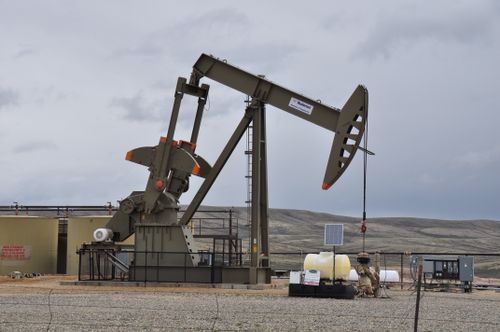
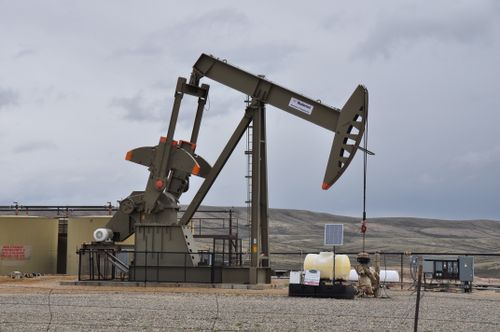
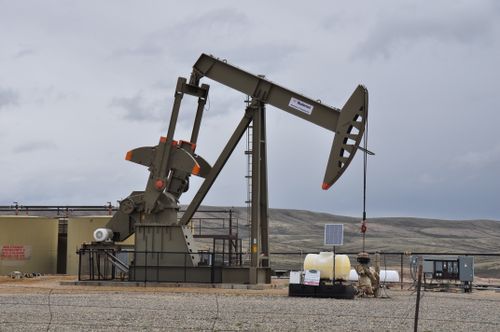
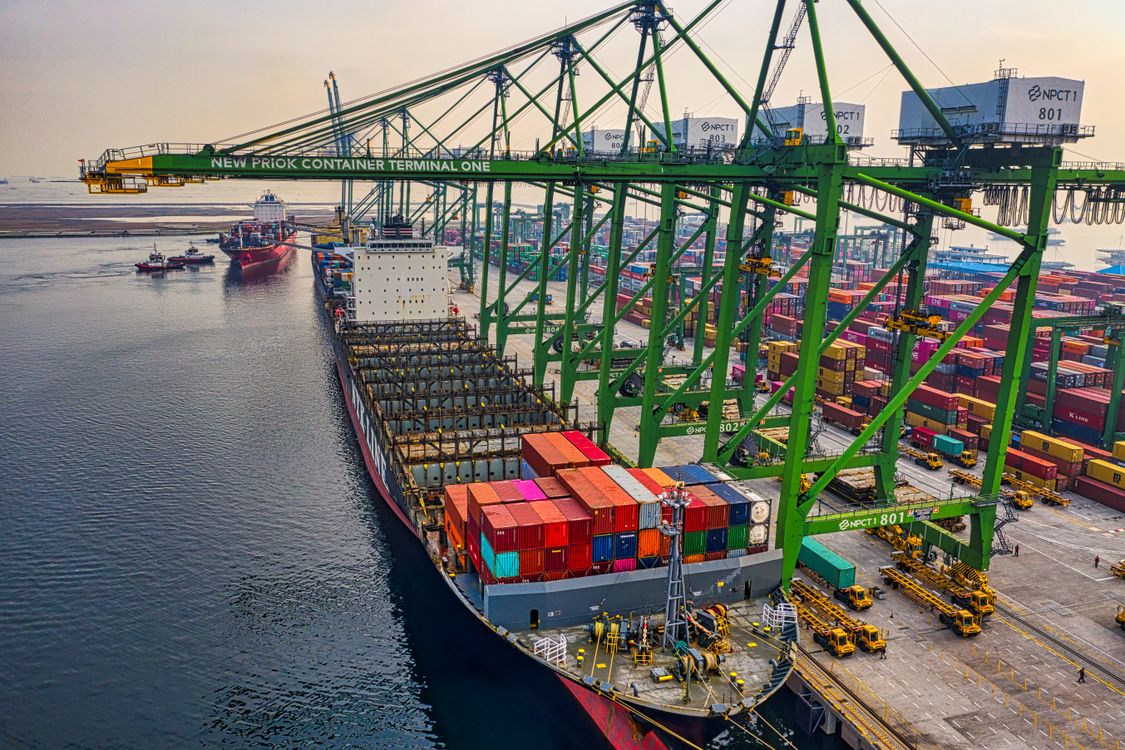
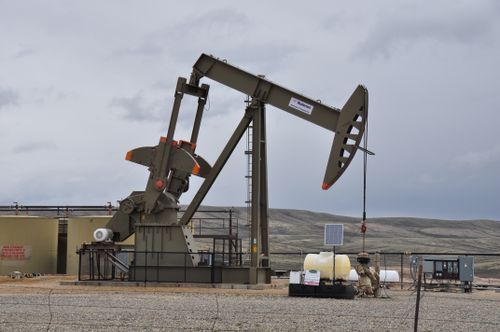
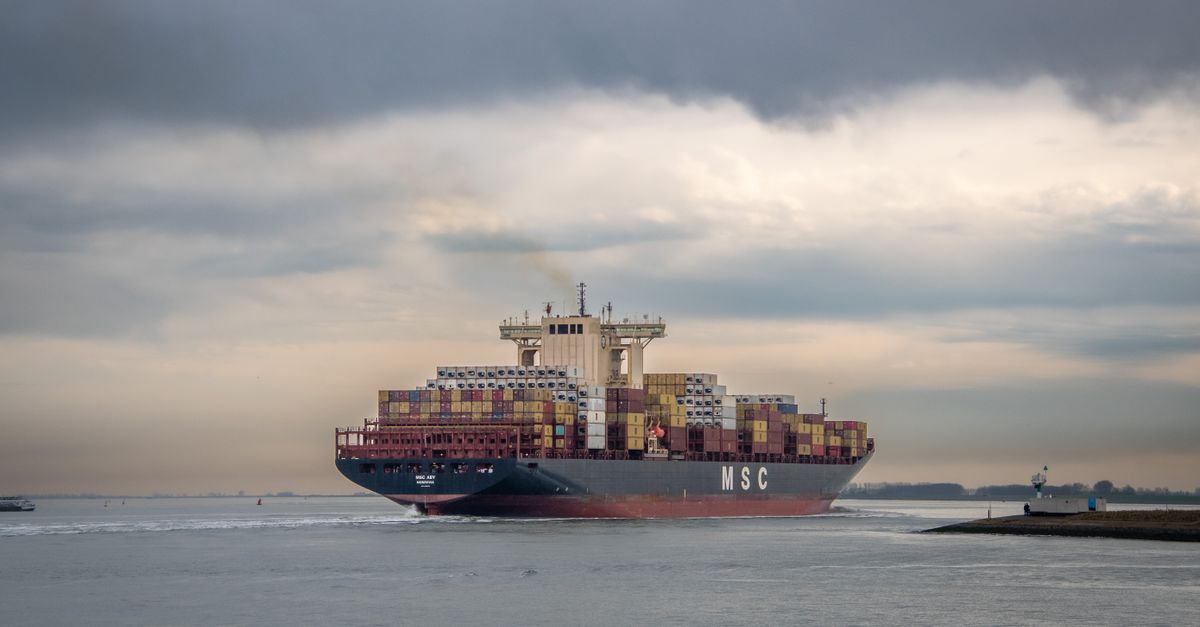
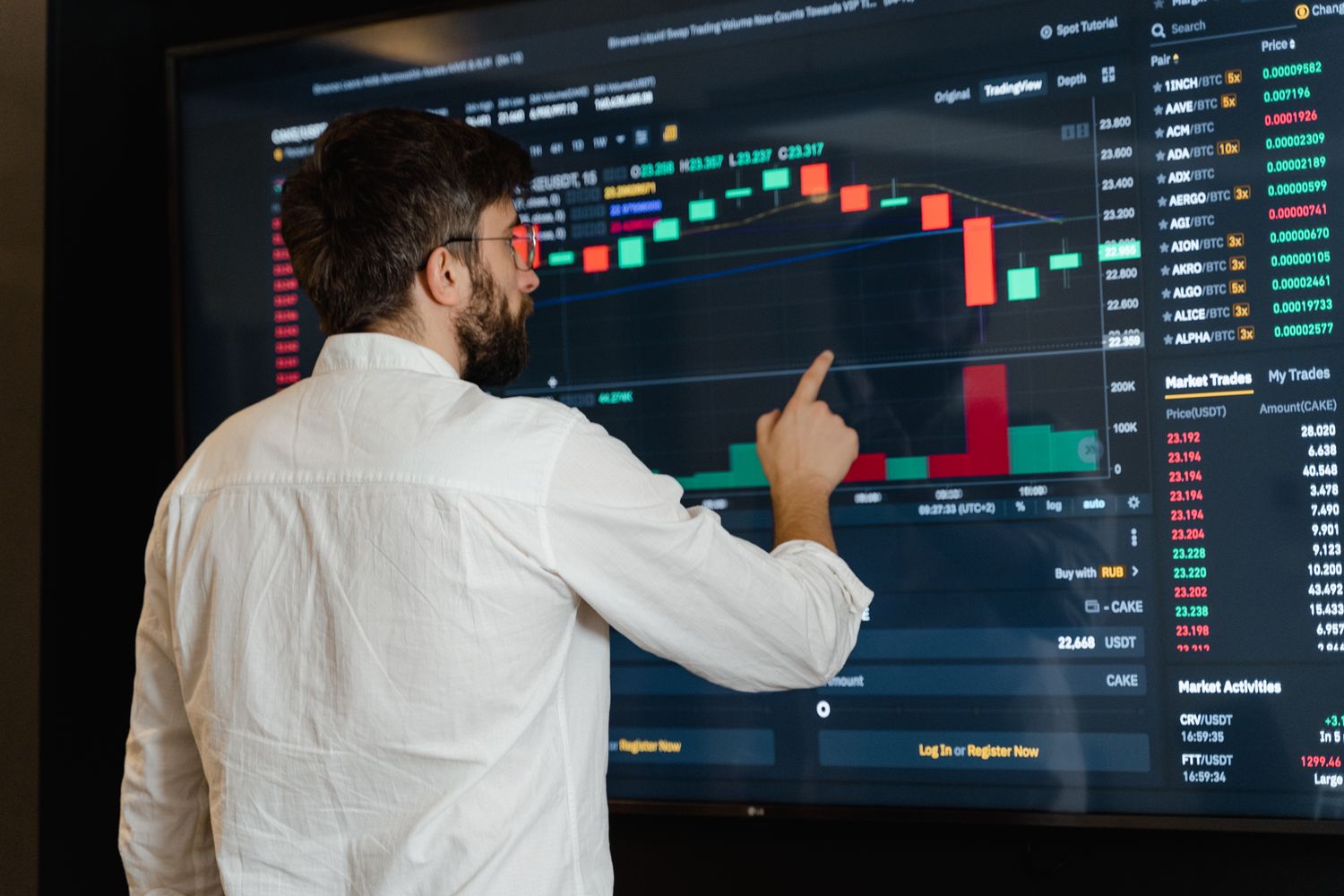
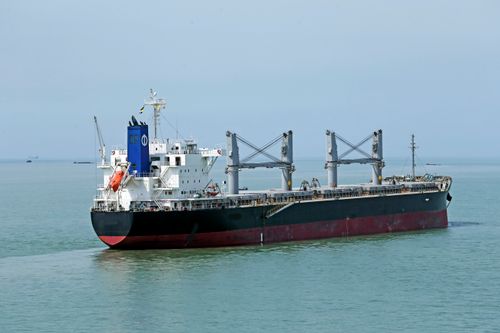
To understand why a single waterway can move the entire stock market, start with the geography. Roughly a fifth of the world’s oil flows through the Strait of Hormuz. When Iran restricts it, the global oil market loses its most important chokepoint, and prices carry a risk premium for every tanker that might not get through. When talks suggest the strait could reopen, that premium shrinks. On Friday, it shrank visibly. Nation Press
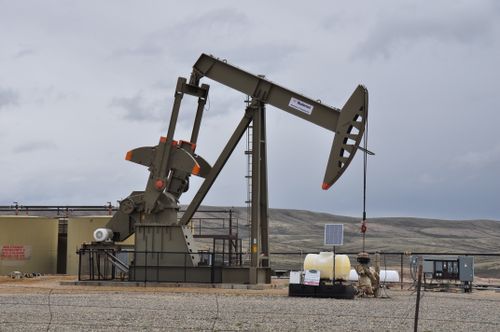
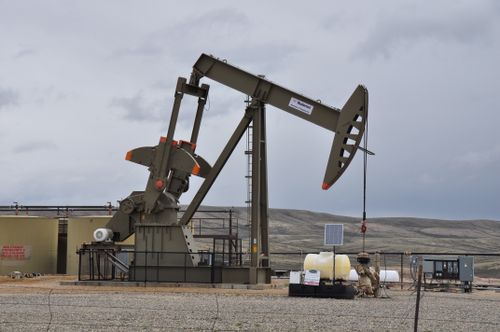
The week showed both directions of that mechanism. On Thursday, Iran-allied Houthi militants in Yemen fired a barrage of missiles at Saudi Arabia, and Brent crude surged about 5% intraday to a session high near $108 before closing up 3.4% at $106.60 a barrel, CNBC reported. U.S. West Texas Intermediate climbed 2.7% to settle at $94.61. The same day, Saudi Arabia intercepted six ballistic missiles, and French troops were being deployed to guard Gulf energy facilities. Then reports surfaced that U.S. and Iranian negotiators, with Qatari officials mediating, were exploring a phased arrangement, and the rally faded late in the session. Newsmax/CNBC
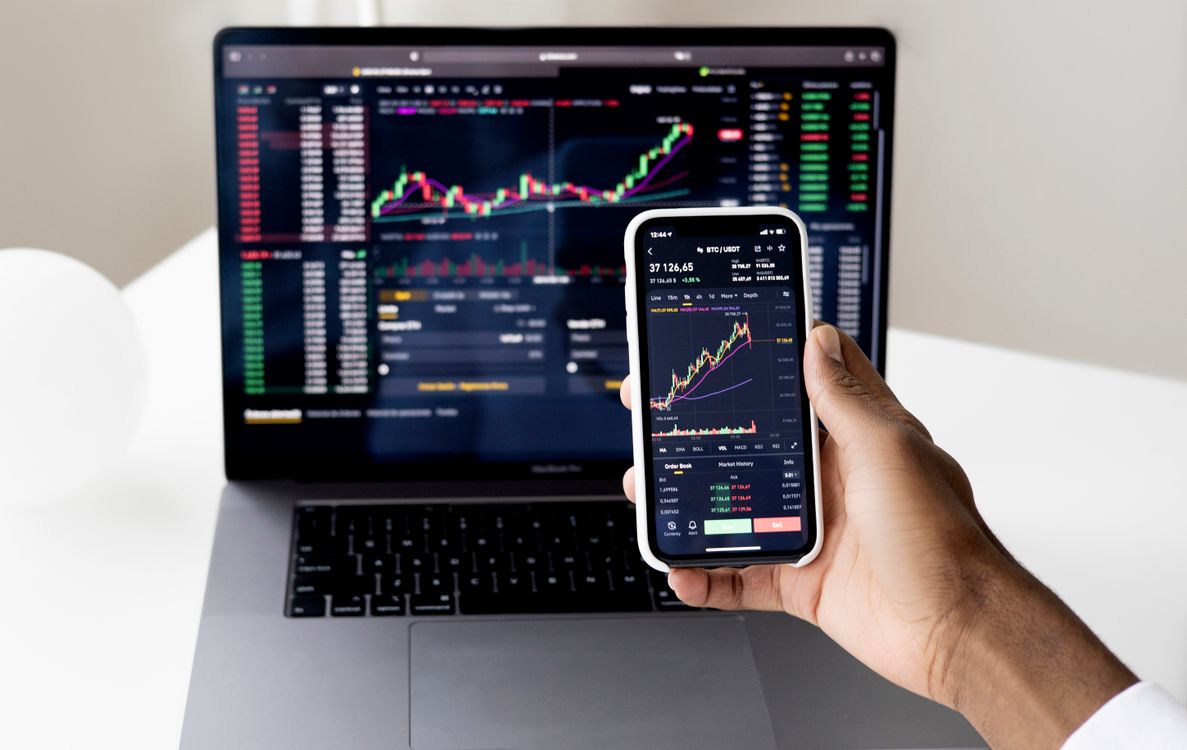
Friday extended the reversal. Brent fell about 1% to roughly $105.35 to $105.68 a barrel, and WTI declined to around $93.09 to $94.09, according to TradingNews and a CNBC report cited by market watchers. Under the reported framework, Tehran would restore access through the strait while Washington lifts its blockade of Iranian ports, a phased sequence rather than a single grand bargain. TradingNews
Step back and the monthly picture is still stark. Brent has gained more than 17% in September, and U.S. crude is up more than 10% for the month, CNBC reported. For the week, Brent is on track for a 2% gain while WTI is headed for a 7% weekly decline, dragged down by a surprise 2.969-million-barrel build in U.S. crude inventories, the roll from the October to the November contract, and talk of a U.S. diesel export ban that could trap more fuel in the domestic market. The Brent-WTI spread widened to $12.68, its widest since May. TradingNews
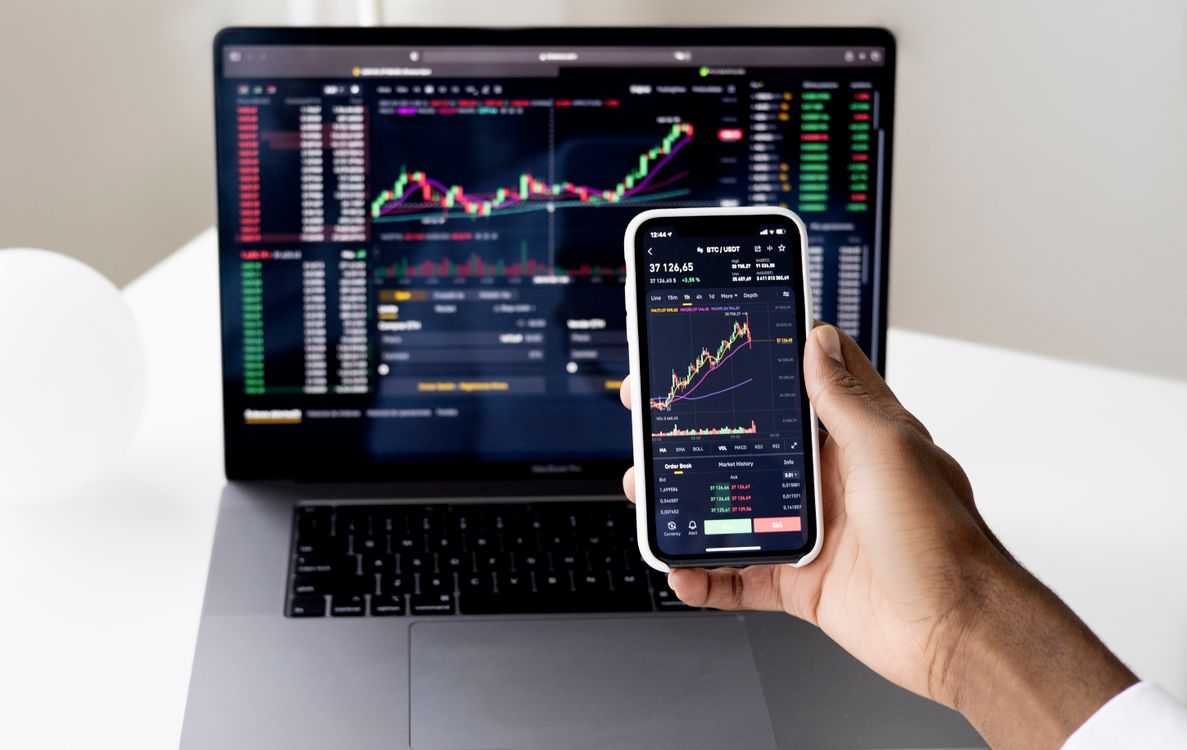
Here is where this stops being a story about tankers and becomes a story about your wallet. Gasoline prices above $7 a gallon for regular and $8 a gallon for diesel were photographed this week at a Mobil station in Los Angeles, according to an AFP image carried by Newsmax. When Brent sits above $105, that pain spreads. Fuel costs work their way into the price of everything that moves by truck, which is nearly everything. That is why the stock market treated Friday’s diplomacy news like an economic report: cheaper oil means cooler inflation, which means less pressure on the Federal Reserve to keep raising rates. Newsmax
The obstacles are substantial, and both sides have said so out loud. A White House official said President Donald Trump remains open to talking with Iran but stressed the U.S. was in no hurry and would not negotiate from weakness, given its sanctions campaign and naval blockade. Trump himself has said he thinks a deal could come after the November 3 midterm elections. On the Iranian side, there are open questions about whether hard-liners who dominate the security forces will accept compromises championed by relative moderates like President Masoud Pezeshkian. A senior Iranian official told Reuters the most plausible path is a phased arrangement, with Iran allowing navigation through the strait in return for the U.S. lifting its economic blockade and Tehran potentially gaining access to frozen assets. Neither side wants to be the first to surrender its leverage. BusinessMirror/Reuters
Parsi, the think tank executive who heard Araghchi’s pitch, put the political logic plainly: “If Trump calculates this arrangement is worthwhile and can bring political benefit before the midterms and reduce gas prices, perhaps we’ll see flexibility not seen in previous weeks.” He also noted “deep suspicion,” especially around whether Iran is buying time to export more oil and ease its economic pain. AP
My take, labeled as such: the market is pricing the hope, not the deal. Off-and-on negotiations have broken down repeatedly since the nearly seven-month war began, mostly over the same two issues, the strait and frozen funds. The June agreement’s quick collapse is the right base case to keep in mind. A phased deal that actually restores Hormuz traffic would be genuinely disinflationary, and that is why stocks rallied Friday even with the 10-year Treasury at 5.2%. But until tankers are actually moving, oil stays one missile headline away from $110.
What to watch: whether the weekend brings confirmation of the seven-day framework or another breakdown, and where Brent and WTI open Sunday evening. For families, the number that matters is not the futures price but the pump price, and that moves with a lag. If diplomacy holds, relief at the pump could follow in the coming weeks. If it does not, September’s 17% oil surge will keep working its way into everything you buy.