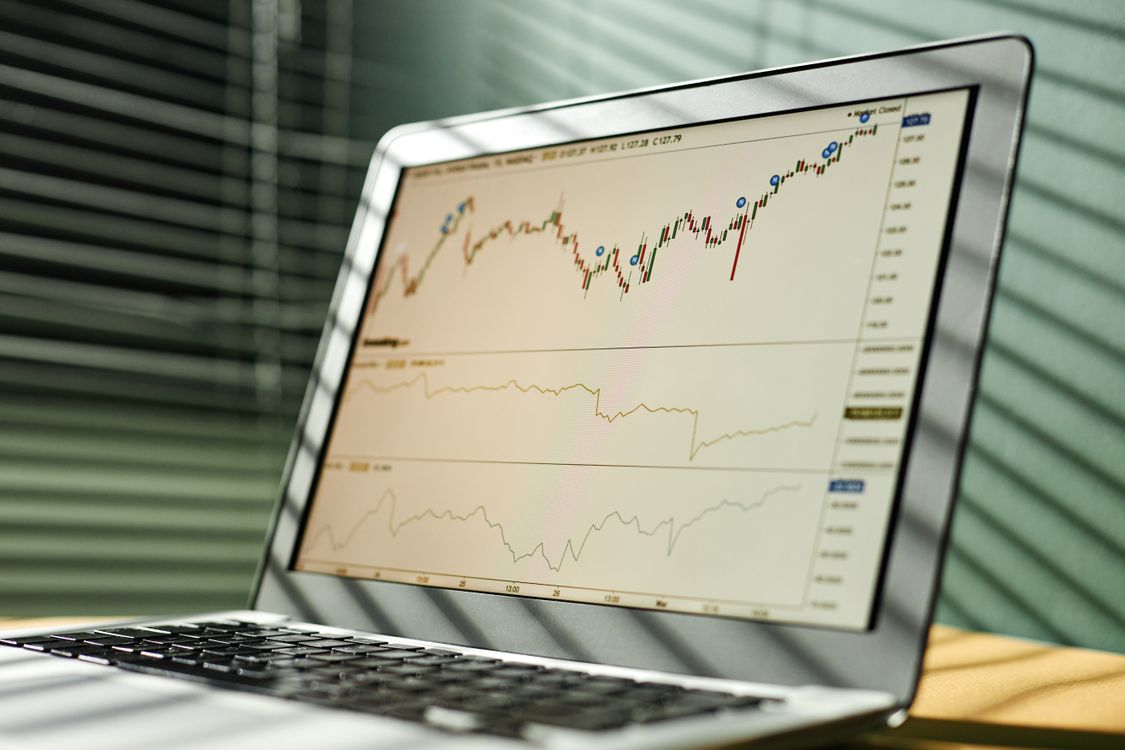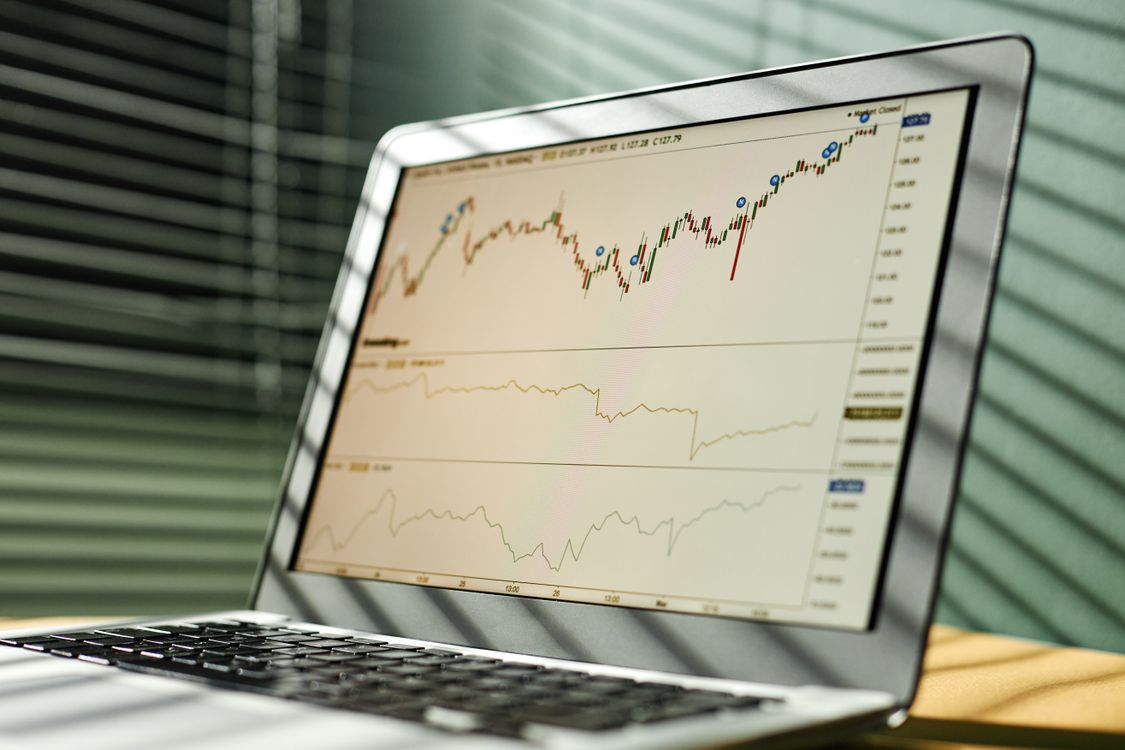

The stock market walked into Tuesday expecting the worst of the bond rout, spent most of the day staring at it, and walked out with a strange kind of relief. The Dow Jones Industrial Average fell 131 points, or 0.3%, the S&P 500 slipped 0.2%, and the Nasdaq Composite eased 0.1%, but those modest losses hid a real afternoon turnaround, Barron’s reported. All three indexes rallied off their session lows in the final hours, and the reason came from the last place anyone expected comfort: the Federal Reserve.
The morning belonged to the bond market. The 10-year Treasury yield touched above 5.29% during the session, its highest level since 2007, extending a climb of roughly 30 basis points over the past six trading sessions, Investopedia reported. By late afternoon the yield had eased to 5.26%, which sounds like relief until you read the fine print: that was the highest 3 p.m. ET close since May 17, 2002, according to Dow Jones Market Data, and the 30-year yield closed at 5.59%, its highest close since June 10, 2002, Barron’s noted. When bonds yield that much, every dollar of future profit is worth less today, and growth stocks spend the day paying that bill.
Then New York Fed President John Williams spoke. His message was simple: the central bank does not have to be urgent. That one sentiment knocked the market-implied odds of an October rate hike down to 51.5% from 70.9% the day before, according to the CME FedWatch Tool, and odds of a half-point of hikes by year end fell to 42.7% from 58.7%, MarketWatch reported. The 2-year note fell sharply as he spoke, and stocks perked up right along with it. Soft economic data helped too: the day brought fresh Job Openings and Labor Turnover numbers and a consumer confidence reading that surprised everyone to the downside.
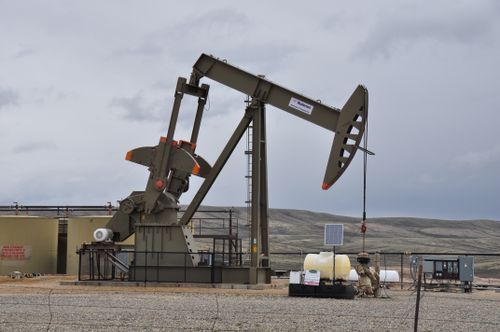
Oil gave the market a rare gift. U.S. benchmark West Texas Intermediate crude fell 3.6% to $89.25 a barrel, while Brent crude declined 2.6% to $102.55, as Saudi Arabia ramped up exports through its critical East-West pipeline, Investopedia reported. Both remain elevated by any normal standard, but after a September of pain at the pump, a down day for crude is a down day for inflation fear. David Rosenberg of Rosenberg Research noted diesel fuel was near a record $6.53 a gallon, up 70% since the start of the conflict in the Middle East, though he added that Iran’s ability to choke off the Strait of Hormuz “seems to be breaking,” Barron’s reported.
The day’s bright spots were scattered but real. Memory chips and AI-related companies rebounded after Monday’s rout: the Roundhill Memory ETF (DRAM) closed up near 3% and the iShares Semiconductor ETF (SOXX) gained about 1%, Investopedia reported. Cruise stocks ranked among the top S&P 500 gainers. Boeing bounced back from Monday’s malaise with a gain of nearly 2%, and NetApp climbed more than 2%, clearing a weekly chart consolidation entry at 209.06, Investor’s Business Daily reported.
Not everything floated. Walmart and Apple were the day’s worst laggards, each falling about 2%. Lumentum and Arm led the Nasdaq’s comeback attempt with gains of around 5% each, while Autodesk and Rocket Lab weighed with declines near 3%, per Investor’s Business Daily. Nvidia gave up an early climb and turned slightly negative, unable to hold its gains as long yields stayed punishing.
After the bell, attention turned to earnings from AAR Corp. and Concentrix, plus FedEx Freight, Seeking Alpha reported. Tomorrow brings the data everyone has been waiting for: the August PCE inflation report, the Fed’s preferred gauge, and third-quarter GDP, arriving on the last trading day of the quarter.
The story of this Tuesday is really the story of this whole September. Yields keep climbing toward levels no one under 40 has ever traded against, and every day the market asks whether the Fed will meet them with more rate hikes. Williams gave the market permission to hope that October is off the table. Whether the inflation data agrees is tomorrow’s question.