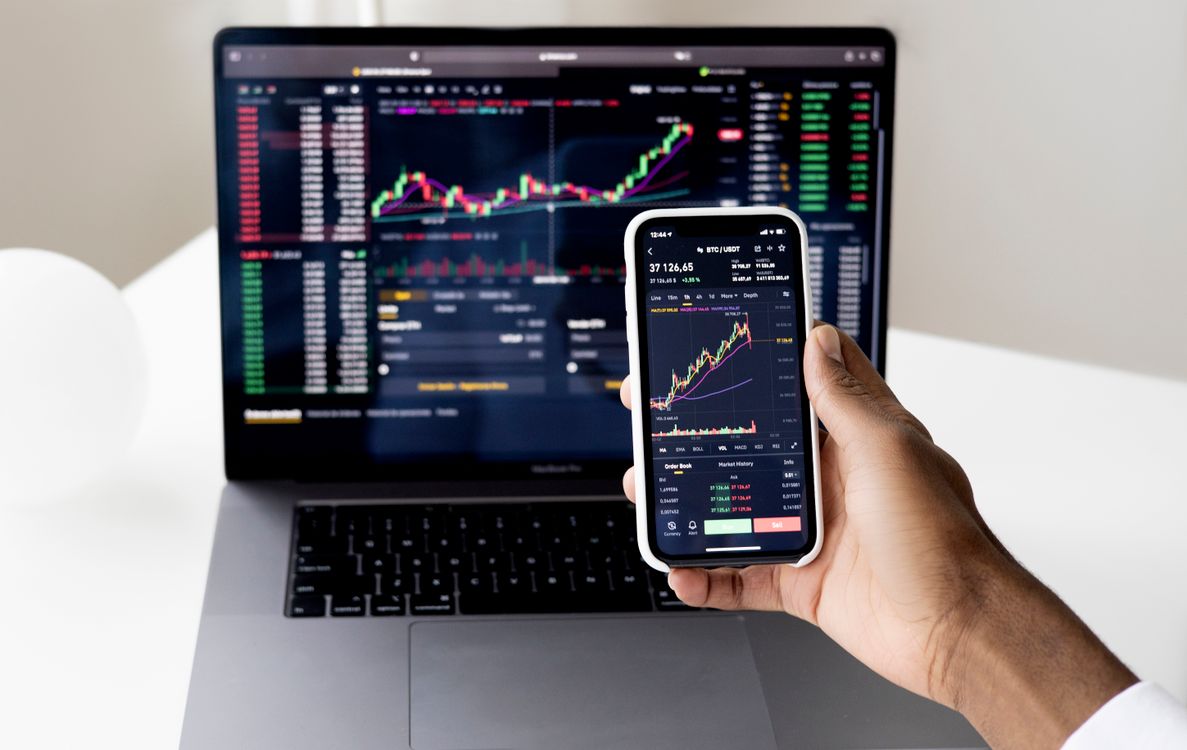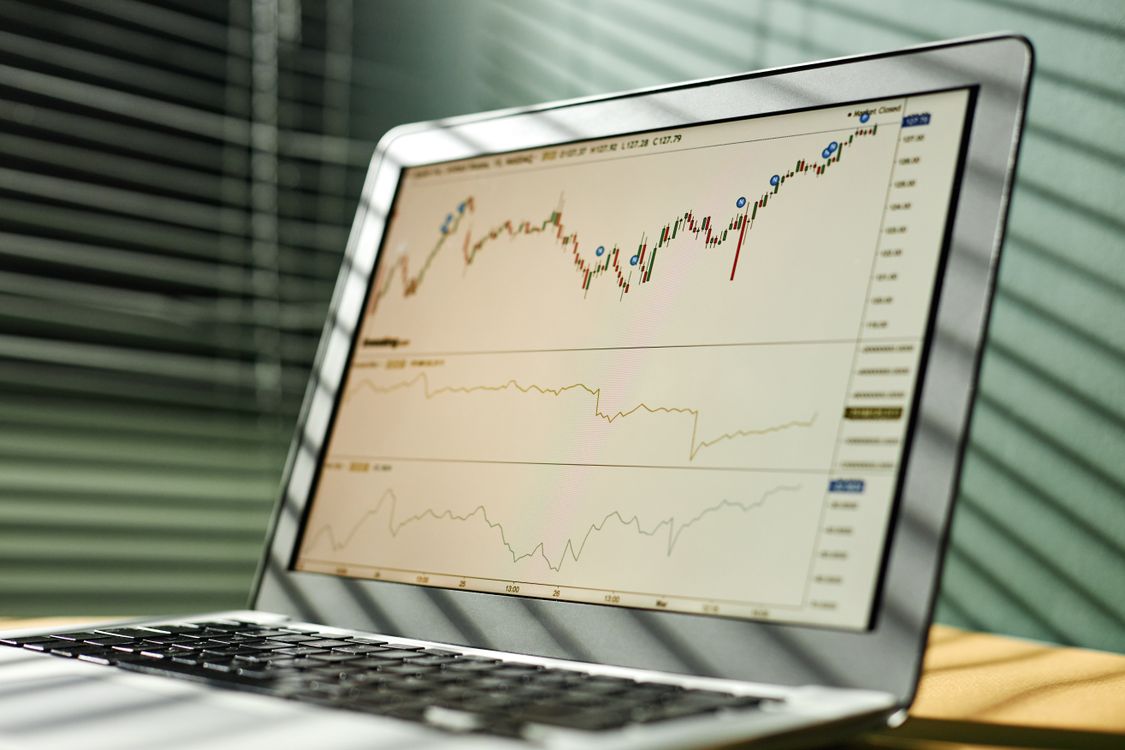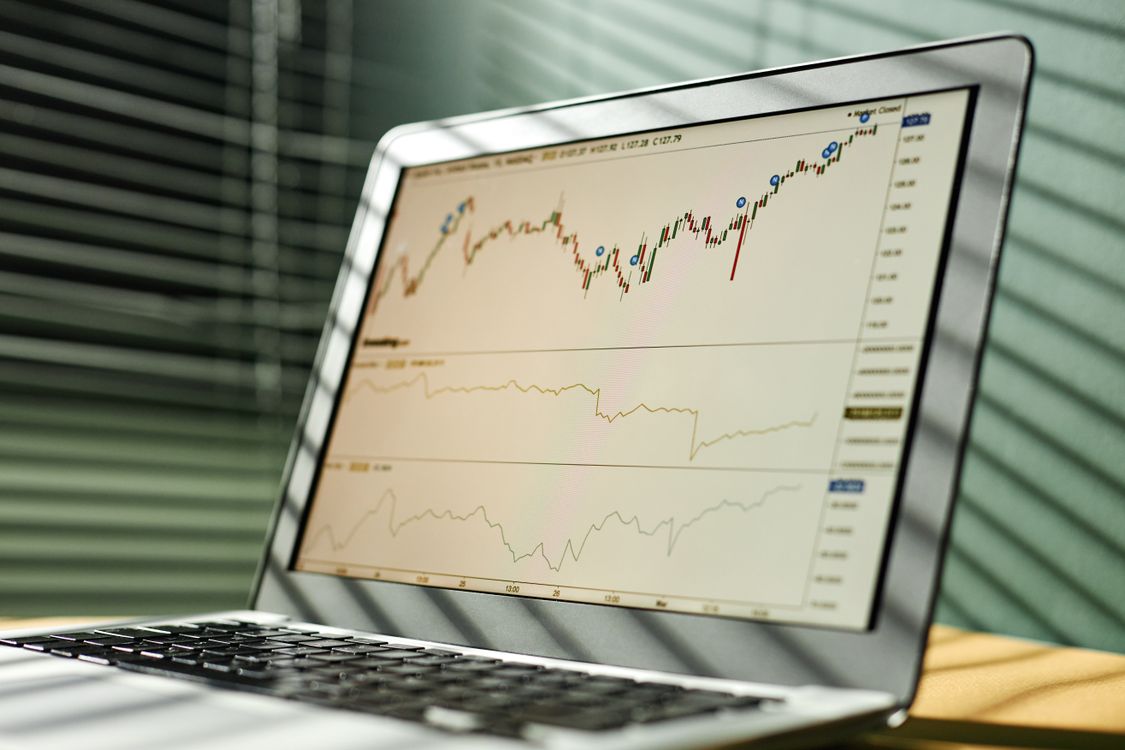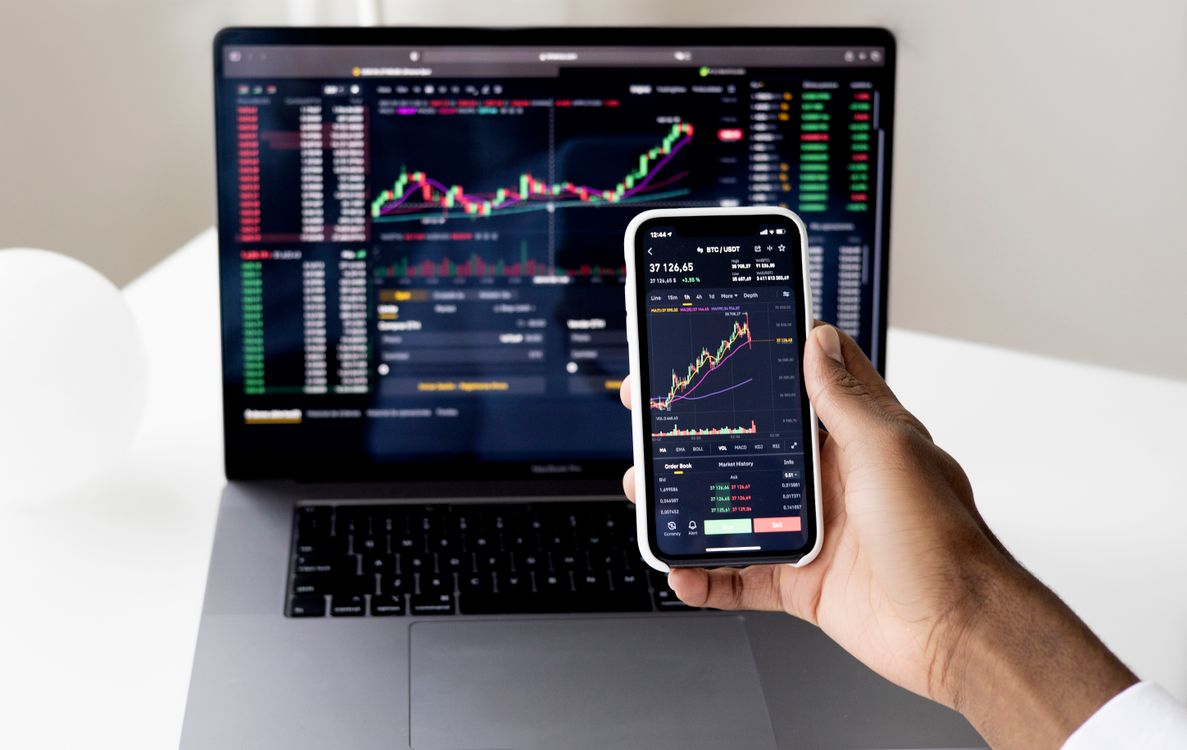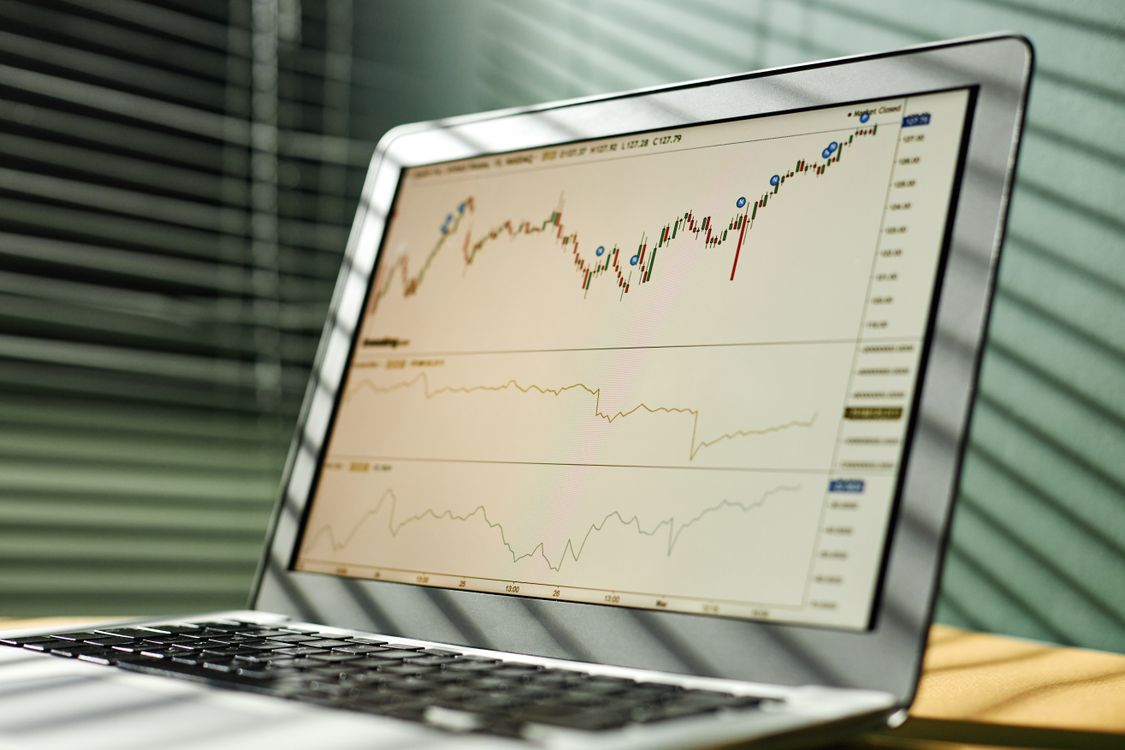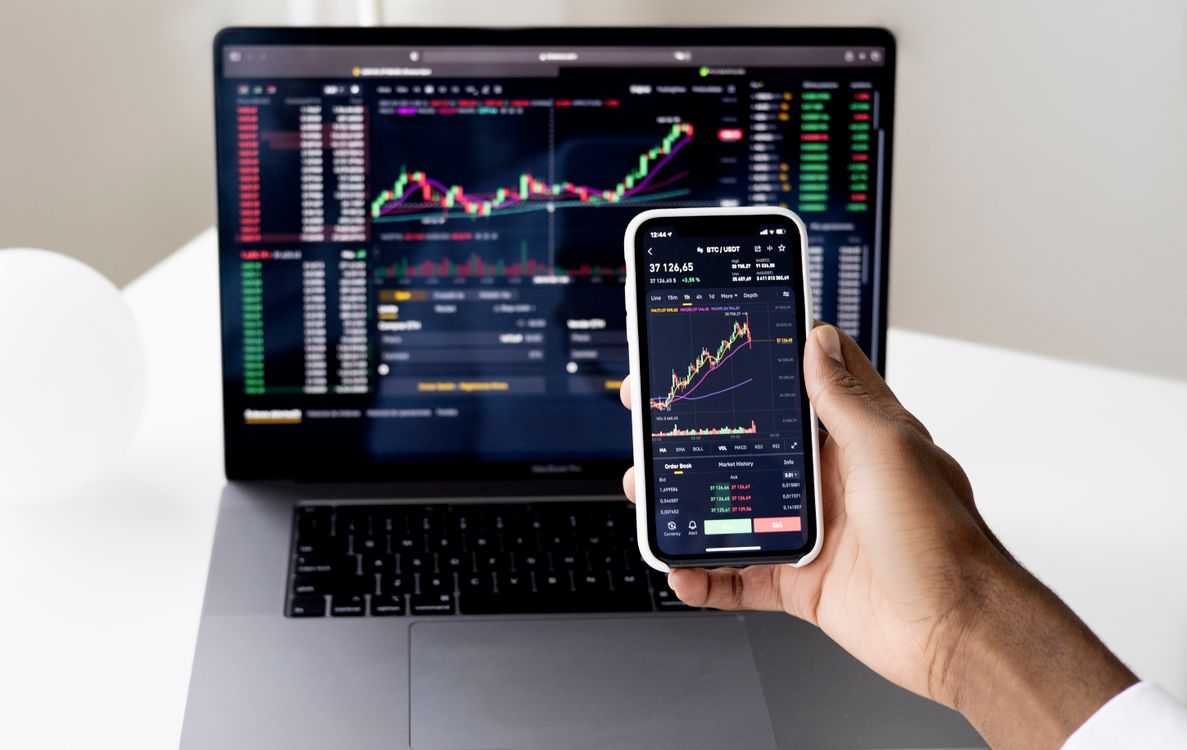
Friday was the exhale at the end of a week that felt like it. After Monday and Tuesday’s surge, Wednesday’s sharp pullback, and Thursday’s flat finish, Wall Street closed out the week in the green, with all three major indexes higher on the day and on the week.
The S&P 500 rose about 0.5% on Friday to close near 7,743, finishing the week up 1.2%, according to Barron’s live market coverage. The Nasdaq Composite also gained about 0.5%, ending near 27,074 and up 2.1% for the week. The Dow Jones Industrial Average did the heaviest lifting on Friday, climbing 0.9%, or roughly 478 points, to close near 51,828, good for a 0.3% weekly gain. All three indexes notched their largest weekly gains since August. Barron’s
If your 401(k) felt like a rollercoaster this week, that is because it was one. Here is the ride, day by day. Monday and Tuesday brought the market’s best two-day stretch since early August, with the Nasdaq and S&P 500 each logging their strongest single sessions in weeks. The Nasdaq closed Tuesday at 27,244, a record, and the S&P 500 finished that day at 7,764. Then Wednesday erased the surge in one session: the S&P 500 dropped 0.75% to 7,706.03 and the Nasdaq shed 1.13% to 26,936.04 as hot economic data sent Treasury yields spiking. Thursday went nowhere, with the S&P 500 slipping 0.02% to 7,704.13 and the Nasdaq edging up 0.01% to 26,939.37. Friday’s rally put the week back in positive territory. TradingNews
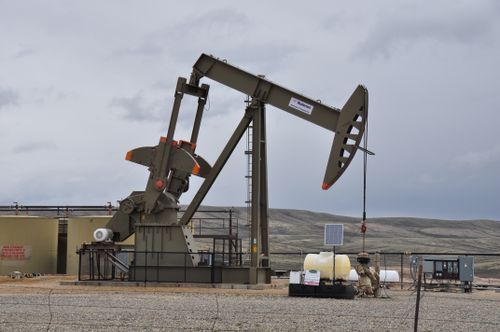
The spark for Friday’s move came from an unlikely place: diplomacy. Reports that the United States and Iran are exploring a phased deal to reopen the Strait of Hormuz sent oil prices lower, easing the inflation worries that have hung over the market all month. The 10-year Treasury yield still sat at 5.2%, near its highest level since July 2007, yet stocks climbed anyway, a sign of how much the inflation story has become an oil story. Barron’s
“The historic bond market meltdown is catching a break as oil prices drop on news that Washington and Tehran are negotiating a phased deal,” said Jose Torres of Interactive Brokers, noting the agreement could “restore traffic through the Strait of Hormuz within a week and bring peace to the region, at least temporarily.”
Brent crude, the international benchmark, fell about 1% on Friday to roughly $105.35 a barrel, while U.S. West Texas Intermediate slipped to around $94.09, according to TradingNews. The pullback came one day after Brent surged more than 3% to $106.60 on a Houthi missile attack against Saudi Arabia. TradingNews
The tug of war beneath the surface was captured well by Massimo Santicchia, head of U.S. equities at Procyon, who told CNBC this week: “We have a lot of strength in corporate earnings, but we also have this inflationary pressure, and there’s a tug of war there.” Corporate profits are holding up. Inflation, driven by oil and stubbornly firm services prices, is not cooperating. That is the whole market in one sentence. Stocktwits
Friday’s standout corporate story was Akamai Technologies, which rose more than 6% to about $117.60 after announcing an $11.6 billion, seven-year cloud infrastructure deal with Anthropic late Thursday. The stock had surged roughly 20% in after-hours trading on the news before fading from a $129.16 morning peak. It is the AI infrastructure trade’s latest chapter, and a reminder that the market’s money is still chasing anything tied to data-center demand. TradingNews
Small caps lagged again. The Russell 2000 slipped 0.07% to 2,833.64 in midday trading, continuing the session’s defining split: companies that fund themselves internally are being bought, and companies that live on borrowed money are not, with the 10-year at 5.2%.
Perhaps the most telling quote of the day came from U.S. Bank’s Rob Haworth, who told Barron’s the market can “continue to shrug that off as long as it can believe that it’s transitory,” referring to the combination of 5.2% Treasury yields and oil averaging near $90 a barrel in the U.S. The rally, in other words, is built on a belief: that today’s pressures will fade. Barron’s
That belief gets its next big test on Friday, October 2, when the September jobs report arrives. With money markets pricing roughly 64% odds of the Federal Reserve raising rates again at its October 28 meeting, a hot labor market could shake the market’s confidence fast. For now, though, Wall Street heads into the weekend with its best week in more than a month and a reason to hope the oil story is turning.