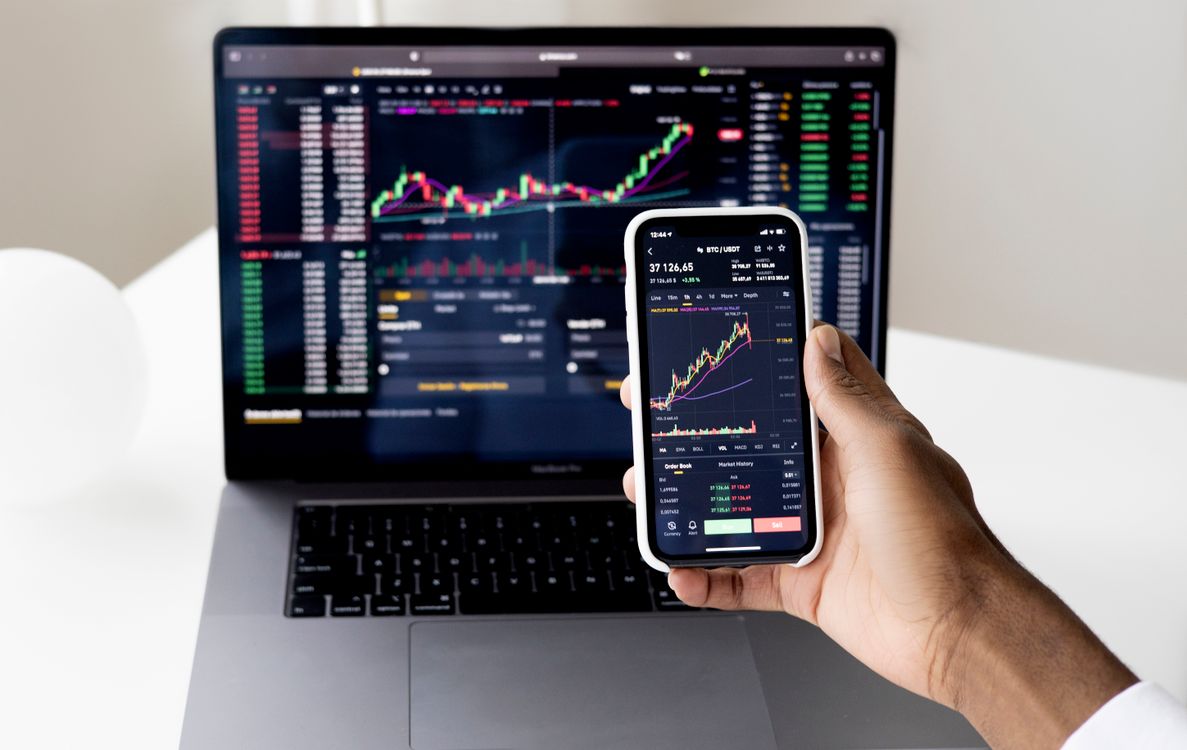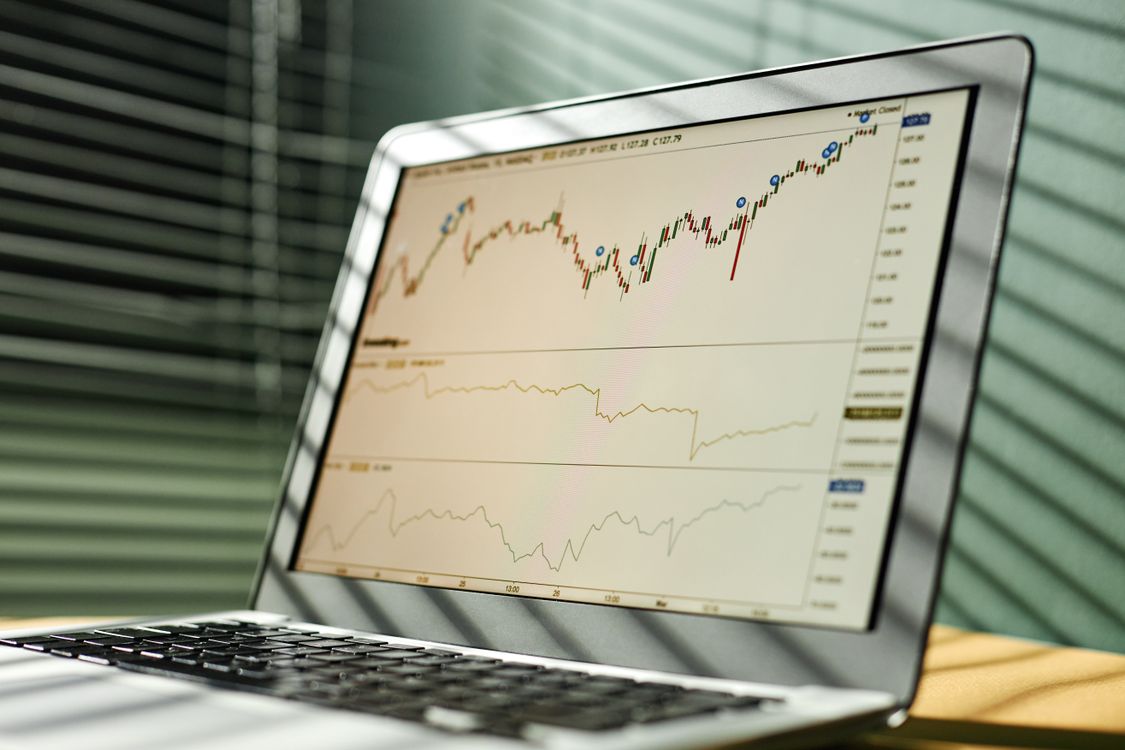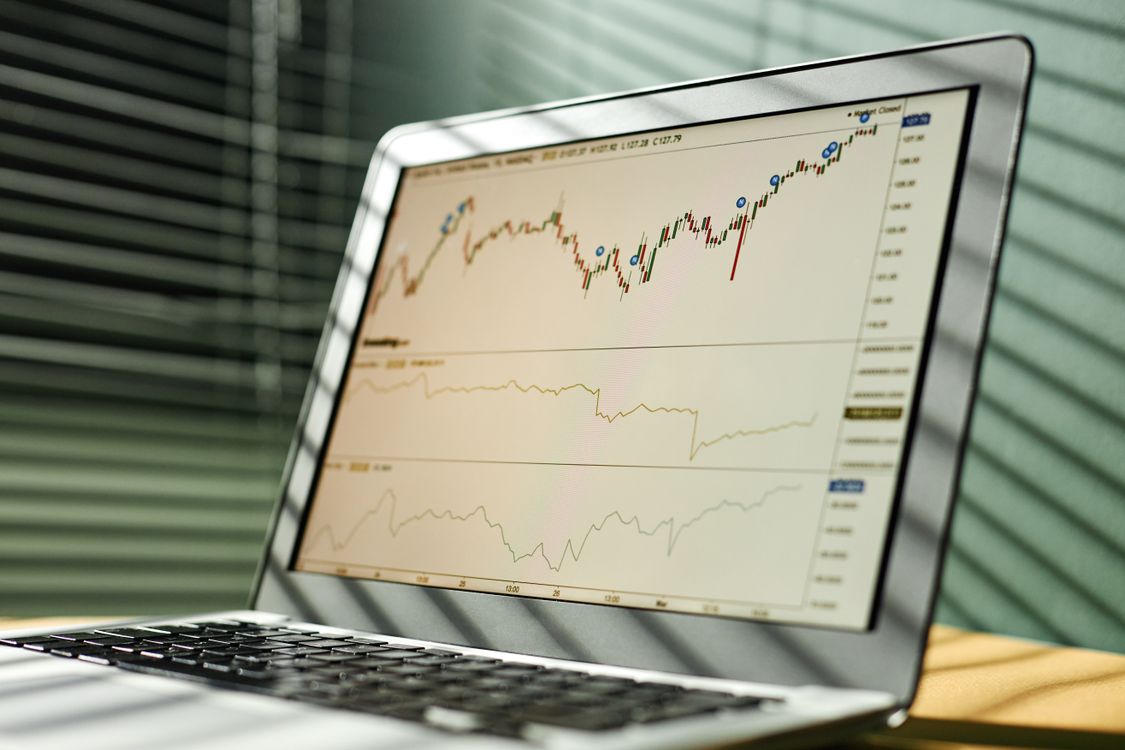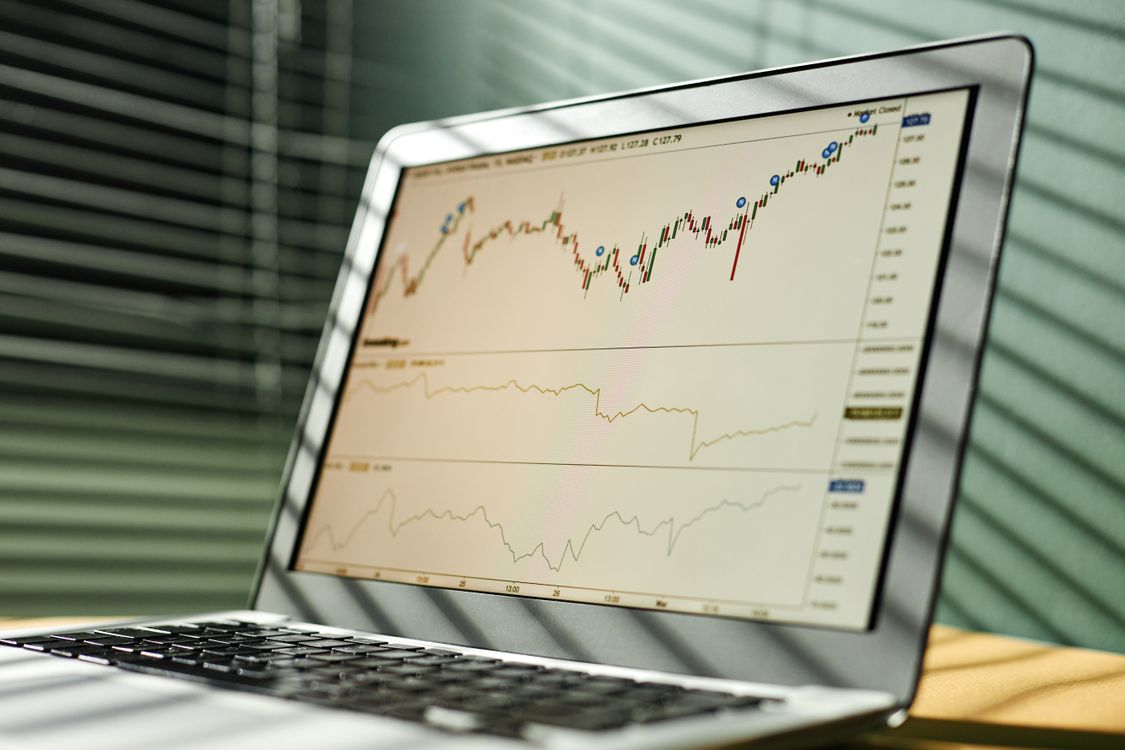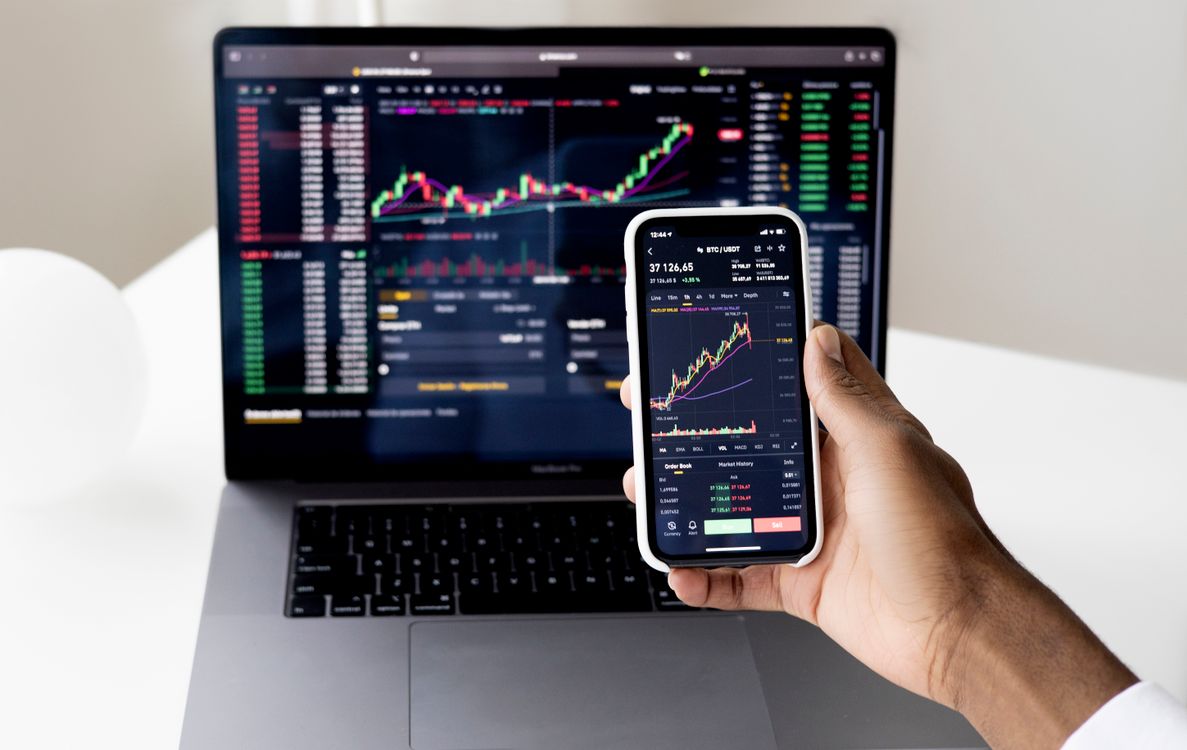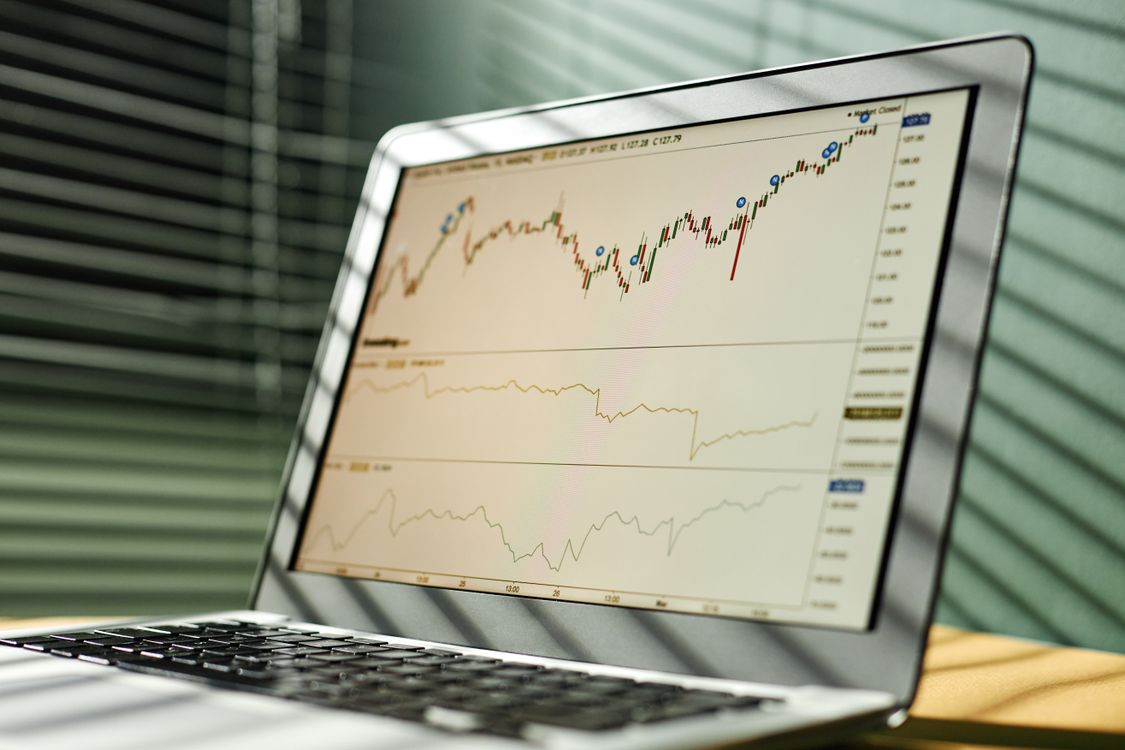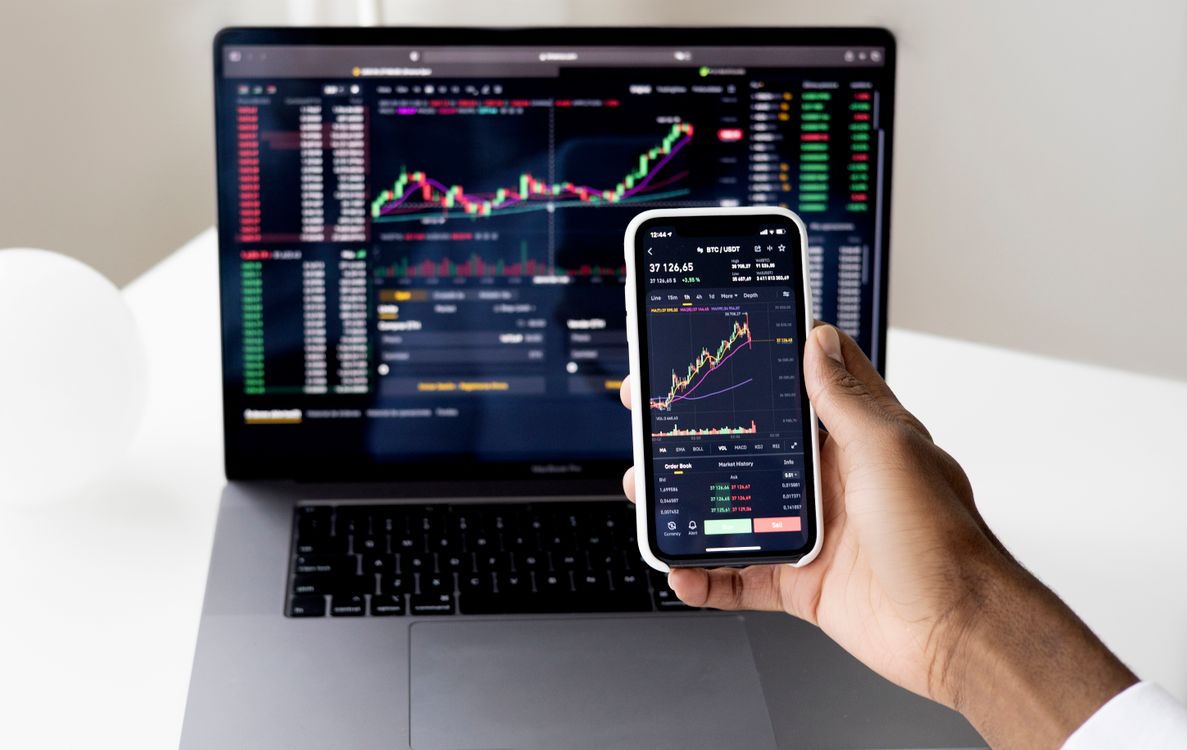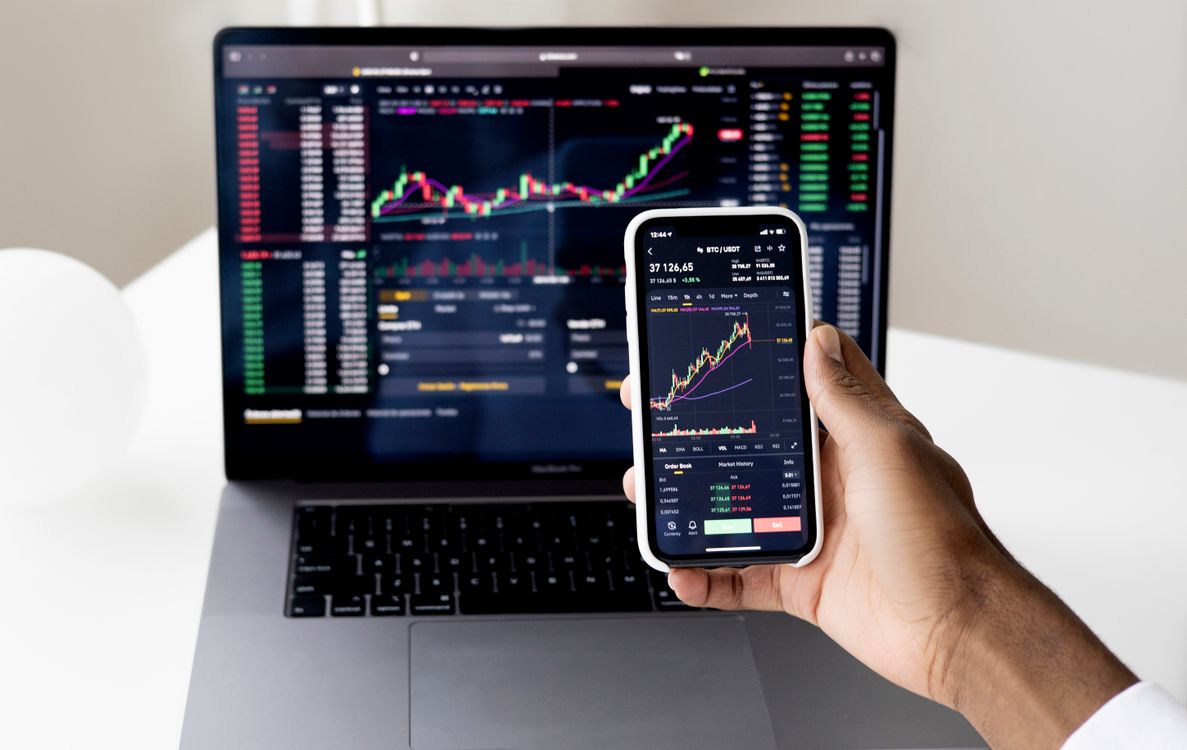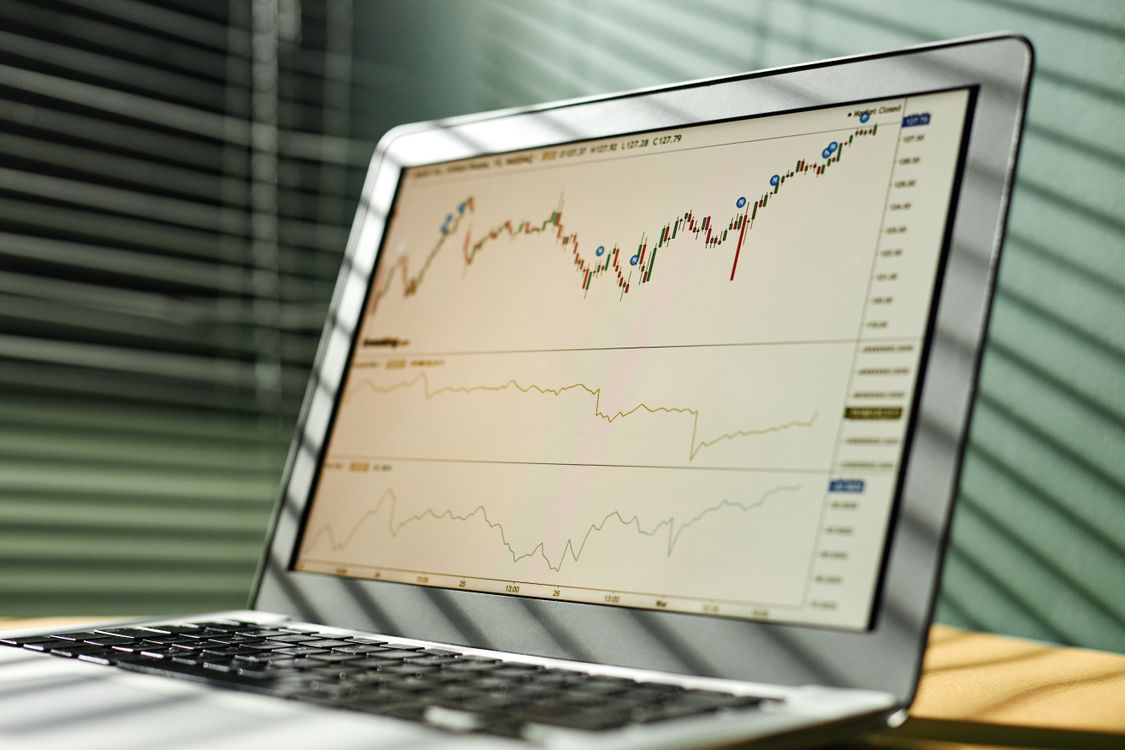

Here is a riddle that confuses almost everyone the first time they meet the stock market: on Friday, the government announced that American employers added just 29,000 jobs in September, the unemployment rate ticked up to 4.2%, and earlier months were revised sharply lower. By any plain reading, that is bad news. So why did the Nasdaq climb to a brand-new all-time high, the S&P 500 rise 0.7%, and the Dow gain 0.4% on the very same day? (Investopedia)
The answer lives in one of the most powerful, least understood forces in finance: expectations about what the Federal Reserve will do with interest rates. Let me walk you through it, because once you see the machinery, days like Friday stop looking like madness and start looking like math.
The Fed has two jobs, and they pull in opposite directions
By law, the Federal Reserve has a dual mandate: keep prices stable and keep employment high. Think of it as a tightrope walk between two valleys. Let rates sit too low for too long and inflation runs hot, eating your paycheck. Push rates too high and borrowing gets expensive, businesses pull back on hiring, and people lose work.
Right now the Fed is hiking, not cutting, because inflation is still above its 2% target. On September 16, the central bank raised its benchmark rate by a quarter point to a range of 3.75% to 4%, its first increase since 2023, and 16 of 18 policymakers said they expect at least one more hike this year (Cryptorank). Higher rates are like cold water poured over the economy: credit cards get pricier, mortgages climb, business loans cost more, and spending slows. That cools inflation, but it also cools hiring.
So when the jobs report comes in weak, investors read it as a signal that the cold water is already working. A cooling labor market means the Fed can pause its campaign without admitting defeat on inflation. That is why “bad” economic news can be wonderful for stocks.
Enter the FedWatch: how traders bet on the Fed
Every day, traders buy and sell futures contracts tied to short-term interest rates. Those prices are essentially a giant, money-weighted poll of what the market believes the Fed will do. The CME Group’s FedWatch tool translates those prices into probabilities, and on Friday it told a dramatic story.
Just days ago, traders saw a 70% chance the Fed would hike at its October 28 meeting. By early Friday, that had fallen to about 25%. After the jobs report, the odds of a hike plunged to just 13%. A week earlier, the chance of a hike sat at 64.2%; by Friday it was 18.3%, depending on the snapshot you catch. Looking to December, there is now a 25% chance the Fed doesn’t hike at all for the rest of 2026, up from less than 10% earlier in the week (CoinDesk) (Barron’s).
Two speeches did most of the early work. On September 29, New York Fed President John Williams, the FOMC’s vice chair, said “one further upward adjustment of the federal funds target range may be appropriate late this year,” but added: “With the policy action we took at our September meeting, there is no need for urgency, and we have time to gather more information.” Futures repriced instantly. Then on October 1, Fed Vice Chair Philip Jefferson said officials “will need to come to our own judgment, which may take more time” before adjusting policy again (AlphaPilot) (Morningstar).
The soft jobs print sealed the flip. As former Pimco chief Mohamed El-Erian put it on X, the report “will reinforce the impact of recent Fedspeak in calming expectations about an October rate hike” (TradingView/DJN).
Why lower rate expectations lift stocks
When the market decides the Fed will stay its hand, three things happen at once.
First, bond yields fall. On Friday the 10-year Treasury yield dropped as low as 5.16% after the jobs report, down from a 24-year high near 5.35% on Thursday, before settling around 5.25%. The 2-year yield, which tracks Fed expectations most closely, fell to 4.76% (Investopedia). Bond prices and yields move in opposite directions, so falling yields mean bonds rallied, giving investors confidence.
Second, future company earnings become worth more today. This is the quiet engine under every stock rally. Investors value a stock by discounting its future profits back to the present, and the discount rate is tied to interest rates. Lower expected rates mean a smaller discount, which means a higher price today, especially for growth companies whose biggest profits lie years ahead. That is why the tech-heavy Nasdaq, up 1.2% to a record, outran the Dow’s 0.4% gain on Friday.
Third, the dollar tends to soften and credit conditions ease, which is why risk assets broadly cheered. Bitcoin topped $86,000, up 2.6% on the day, as Zaye Capital Markets analyst Naeem Aslam noted that “softer labor data could reduce expectations for further tightening, weaken yields and improve the environment for renewed [bitcoin] exchange traded fund inflows” (Morningstar).
The catch: it only works if the economy bends, not breaks
Here is the part that keeps this from being a free lunch. The “bad news is good news” trade works only when the economy is simmering, not boiling over and not freezing. Jeff Schulze of the Franklin Templeton Institute captured it: “Today’s soft payroll report demonstrates that the labor market is simmering, not boiling, which should bolster the case for the Fed to remain on hold at the October meeting” (Barron’s).
If jobs data gets much weaker, the story flips. Investors stop celebrating a patient Fed and start fearing a recession, and then bad news is just bad news. LPL Financial chief economist Jeffrey Roach flagged the tension underneath Friday’s calm: “We are seeing the tension between the goods-producing sectors that support the AI boom and the services-producing sectors that are feeling the impact of technological change,” and he noted that “given the overall softness of the labor market, the likelihood of two Fed hikes is getting lower” (Investopedia).
What it means for your wallet
You don’t need a brokerage account for this to matter. The 10-year Treasury yield is the benchmark behind 30-year mortgage rates, so every wobble between 5.16% and 5.35% moves the math on a home purchase. Credit card and auto loan rates follow the Fed’s benchmark more directly. And if you are earning yield on savings, a patient Fed keeps those payouts higher for longer.
My take: Friday’s rally was not investors ignoring a weak jobs report; it was investors pricing a specific, plausible future, one where the Fed gets to declare progress on inflation without breaking the job market. The next exam comes October 14 with the September inflation report, and then the Fed decides on October 28. If inflation cooperates, the simmer continues. If it doesn’t, the market may discover that cheering bad news has its limits.