
Three years. That is how long it had been since the Federal Reserve last raised interest rates before it did so again in September. Now, barely a month later, Wall Street is debating whether the central bank will hike back-to-back in October, something the Fed has not signaled lightly. Money markets price about a 64% chance of another quarter-point increase on October 28, according to LSEG data cited by the Wall Street Journal. For context, a 64% probability means the market thinks it is more likely than not that the Fed will tighten twice in a row for the first time in this cycle.
This is the most important financial story of the week, and it deserves more than a headline. Let us sit with the numbers, the people, and the logic behind them.
First, the why. The Fed’s September hike came after a sharp rise in oil prices tied to the war with Iran, and the central bank explicitly signaled that a further increase was possible. Since then, the case for more tightening has only gotten louder. Recent purchasing managers’ surveys showed unexpectedly strong U.S. private-sector activity, and the August jobs data came in very strong. An economy that refuses to cool gives the Fed room to push harder on inflation without the fear that it will tip the country into a recession.
And inflation’s ghost has returned to the data. Consumer expectations for year-ahead inflation surged to 4.6% in September, up from 4.0% in August, according to the University of Michigan’s surveys, after starting the year at 3.4% before the war. Longer-run expectations ticked up to 3.4% as well. Fed officials watch these expectations like hawks, because if households and businesses start baking higher inflation into wage demands and price-setting, inflation becomes self-fulfilling. That is the spiral every central banker lies awake fearing.
The business side of the economy is sending its own hawkish signal. Friday’s durable goods report showed core capital goods orders, the proxy for business investment, rising 1.6% in August, their 17th consecutive monthly gain, with the Kansas City Fed reporting that regional manufacturing activity accelerated in September. “There are two key reports that will largely determine what the Fed decides to do,” ING economist James Knightley told the Wall Street Journal, “with the first, the September jobs report, due on Friday.”
That is the calendar that matters now. The September nonfarm payrolls report arrives October 2, and the September inflation figures follow on October 14. Those two releases, plus eurozone inflation data and China’s PMI in between, will effectively decide October. As Knightley put it, the jobs data should be “sufficiently solid to keep an October rate hike in play.”
But here is what makes this a genuine dilemma and not a foregone conclusion. The same week that businesses ordered equipment at a record pace, American consumers reported feeling worse about the economy than at almost any point in modern history. The Michigan sentiment index fell to 48.1, the second-lowest reading ever recorded, with the four lowest readings in the survey’s history all occurring in the past six months. The pain is concentrated in gas stations and grocery receipts: high fuel prices from the Iran conflict are the thing people see every day. Hike too aggressively into that pain, and the Fed risks breaking the household sector while trying to discipline the business sector.
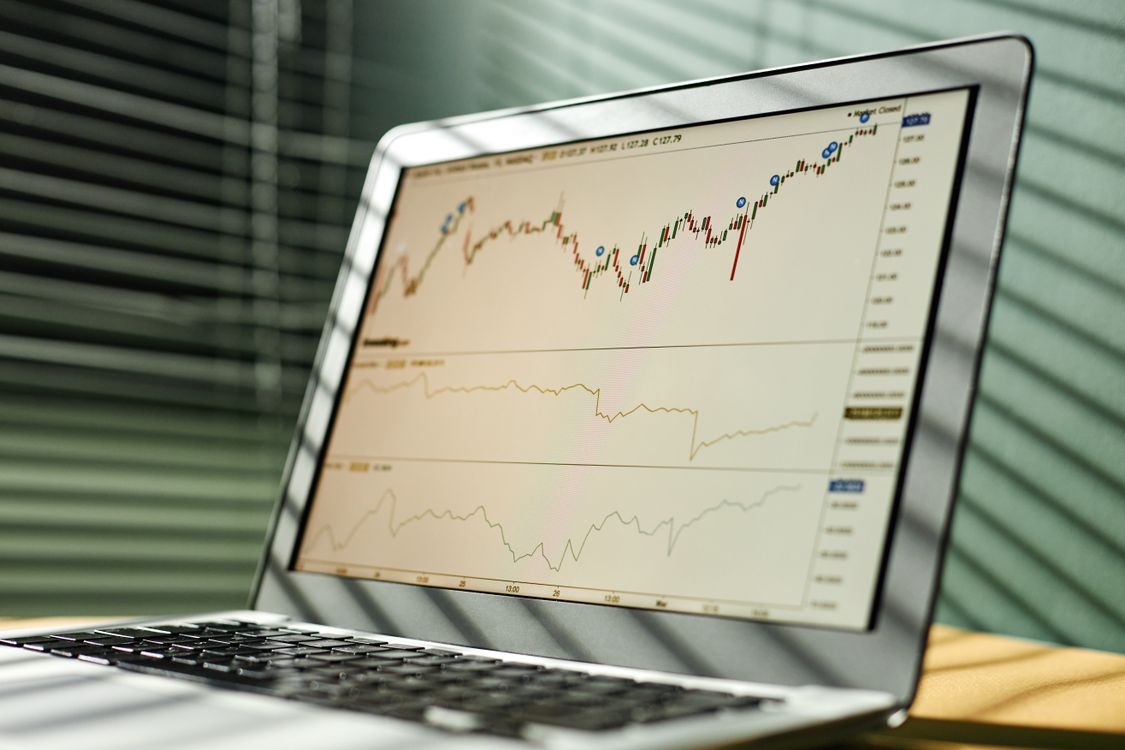
Then there is the market itself, which is sending contradictory messages. Stocks sit near record highs, with the S&P 500 only about 1% below its mid-August record, lifted by AI optimism that keeps proving resilient to higher borrowing costs. Jim Baird, chief investment officer at Plante Moran Financial Advisors, told Reuters that “the Fed and rates currently occupy the market’s central focus.” At the same time, the bond market is flashing a warning: the 10-year yield hit its highest intraday level since 2007 on Thursday. Bond investors are effectively pre-hiking, demanding more yield before the Fed even acts. Every extra basis point on the 10-year flows into mortgages (now above 7%), corporate debt, and government borrowing costs.
So what are the lessons here, for those of us who are not on the Fed’s board?
The first is that the data, not the speeches, will decide. The Fed has been unusually quiet as an institution, which is why markets are hanging on individual officials’ words and every data release. Watch the jobs report and the inflation print. They are the closest thing to a Fed press release we have.
The second is that inflation expectations are the quiet variable that matters most. The actual inflation rate tells you where prices were. Expectations tell you where people think prices are going, and people act on their beliefs. The jump to 4.6% is exactly the kind of move that makes central bankers reach for the rate lever.
The third is the human one. A back-to-back hike would land hardest on the people already hurting: borrowers with variable-rate debt, would-be homebuyers watching 7% mortgages, small businesses rolling over loans. The Fed’s mandate is price stability and maximum employment, and it is trying to serve both at once. Whether a second straight hike helps or hurts depends entirely on whether inflation or unemployment breaks first.
My take: this is not the Fed of the last three years, and we should stop pricing our lives as if it were. For three years, the only question was when cuts would come. Now the question is how high rates go and how long they stay there. If you have been waiting for borrowing costs to fall back to the old normal, consider that the old normal may not be coming back soon. Build your plans, your budgets, and your business decisions around the rates you see today, not the rates you remember. The Fed is telling us, in the only language it speaks, that the era of easy money is further behind us than we thought.