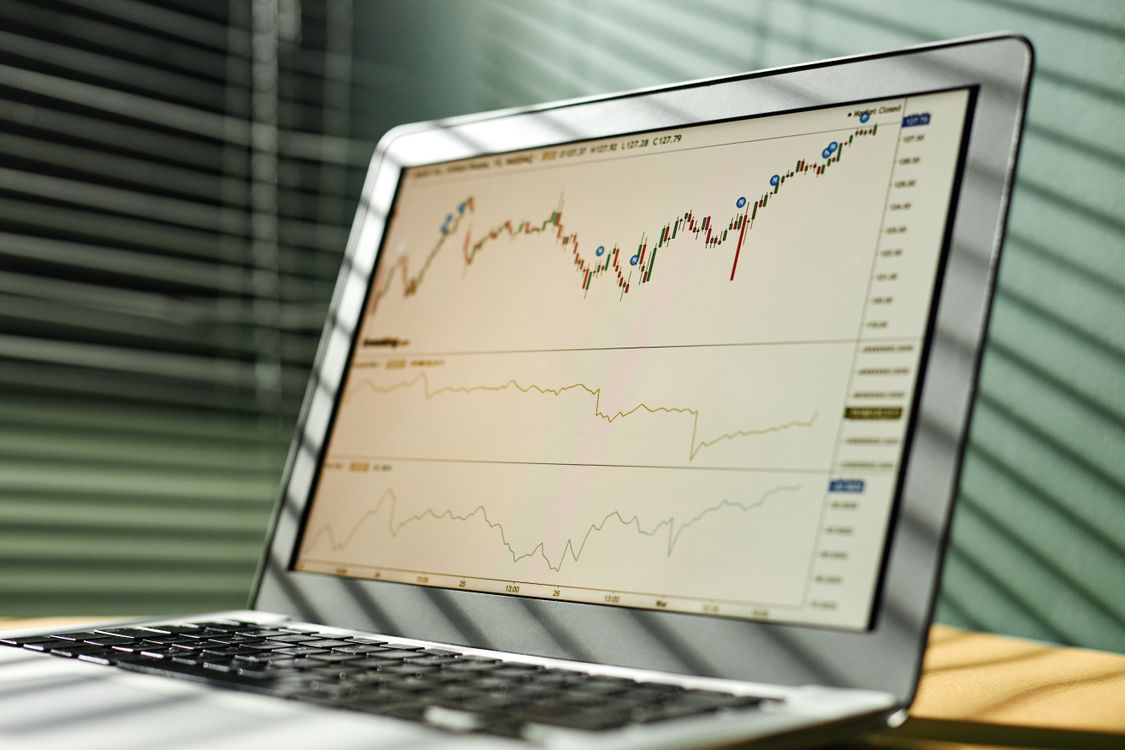

On Monday, September 28, gold futures sat near $4,190 an ounce, down almost 4% on the day, even as the US-Iran war entered its eighth month. Gold is still up about 8% so far this year, but the day’s drop was a puzzle for anyone who learned that war sends gold up (Finimize daily brief). It is not a contradiction, though. It is a lesson in what the words “safe haven” actually mean, and what they do not.
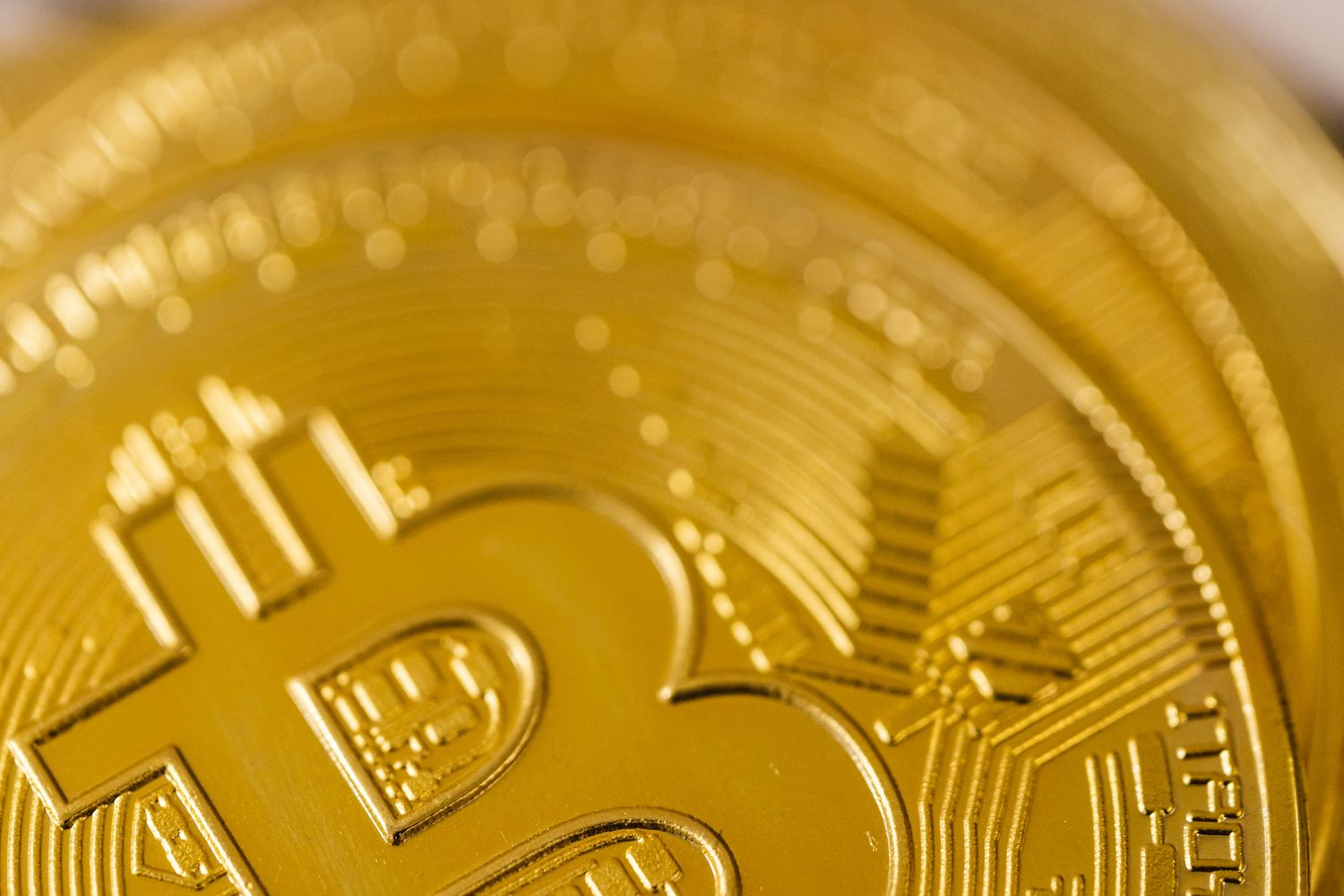
A safe haven is simply an asset people reach for when they are frightened: gold, government bonds, cash, sometimes the dollar. The logic is not “this always goes up in a crisis.” The logic is “this is the place I trust to hold its value while I wait out the storm.” Gold earned the reputation over centuries. It cannot be printed, it cannot default, and it has never needed a central bank to vouch for it. That is why central banks themselves snapped up more than 863 metric tons of gold in 2025, making gold the world’s biggest central bank holding (Finimize daily brief). When the people who print money are stockpiling something that cannot be printed, it is worth paying attention.
But there is a catch, and it explains September 28. Gold pays nothing. It produces no interest, no dividend, no rent. It just sits there, gleaming and inert. Government bonds, by contrast, pay you for the privilege of lending them your money, and right now they pay a great deal. Global government bond yields sit near multi-decade highs, so interest-bearing bonds are pulling money away from yieldless gold (Finimize daily brief). Think of it from a saver’s point of view: if a government bond pays you more than 5% a year for the simple act of holding it, gold has to look a lot more attractive to justify the empty plate. On September 28, for many investors, it did not.
This is the real meaning of “opportunity cost,” and it is worth understanding in plain terms. Every dollar you hold in gold is a dollar that is not earning interest in a bond or a savings account. When interest rates are near zero, that sacrifice is painless; nobody misses interest they were not getting anyway. When yields are near multi-decade highs, the sacrifice is real. Gold has to climb fast enough to make up for the income you gave up, and on days when fear is steady rather than spiking, investors do the math and choose the paycheck.
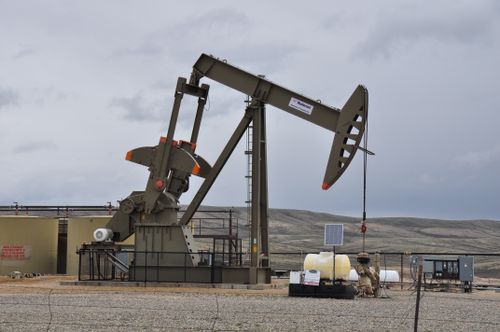
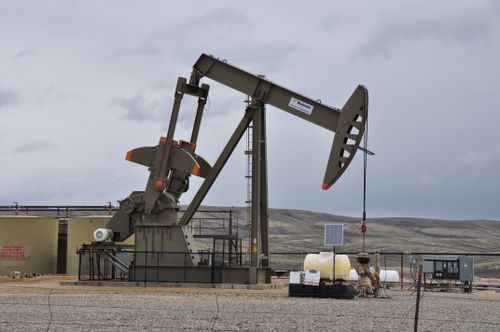
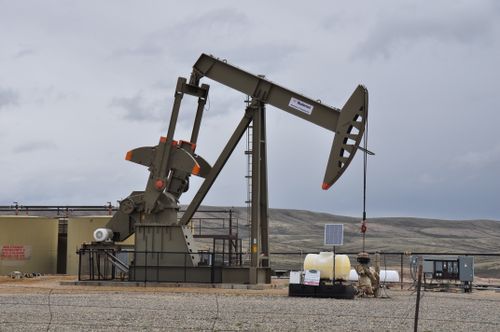
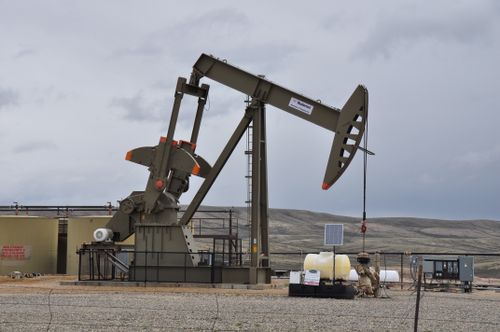
None of this means gold stopped being a haven. It means havens compete with each other. On the same day gold fell, the fear that supposedly hurts markets was very real in energy: Brent crude climbed 3% to $107 a barrel on September 28, after the United States rejected a seven-day peace deal with Iran over the weekend, and US diesel hit $6.50 a gallon on Friday, September 25 (Finimize daily brief). A war in its eighth month was still moving oil sharply. Investors were not calm; they were simply choosing which shelter to stand in, and the shelter that pays rent won the day.
So what should a saver take from this? These are general points of financial information, not advice for your situation. First, understand what you own it for. Gold is insurance, not income. Insurance costs you something, and you buy it because of what it protects, not because of what it earns. Second, do not expect every haven to rise at once. Bonds and gold are both shelters, but they answer to different forces: bonds to interest rates, gold to fear, currency debasement, and the cost of holding it. Third, and most practically, an emergency fund is not an investment portfolio. Money you might need in three months should sit somewhere boring, liquid, and interest-bearing, like a high-yield savings account or short-term government bonds, because the job of that money is availability, not appreciation. Gold has its place in a long-term plan for some people, but it is a poor emergency fund: it can drop 4% in a day, as it did on September 28, and emergencies do not wait for rebounds (Finimize daily brief).
The hopeful note here is that savers have rarely had it this good in terms of paid safety. Multi-decade-high yields mean the boring options, savings accounts and government bonds, actually pay again. Gold’s long-run story, with central banks buying 863 tons in a single year, suggests the world still trusts the metal (Finimize daily brief). You do not have to choose a side in a war between havens. You only have to know what job each one does, and let each do its job. When the paid options are this generous, the unglamorous choice, a savings account that simply pays you, is often the wisest shelter of all.