
On September 22, the national average price of diesel fuel hit $6.53 a gallon, the highest level on record, according to AAA (MarketWatch). By September 25 it stood near $6.50, and a year earlier, on September 23, 2025, the same gallon cost $3.69 (USA Today). That is a 75% increase in twelve months. For a trucker filling a 120-gallon tank, the difference between last year and this year is roughly $340 per fill-up.
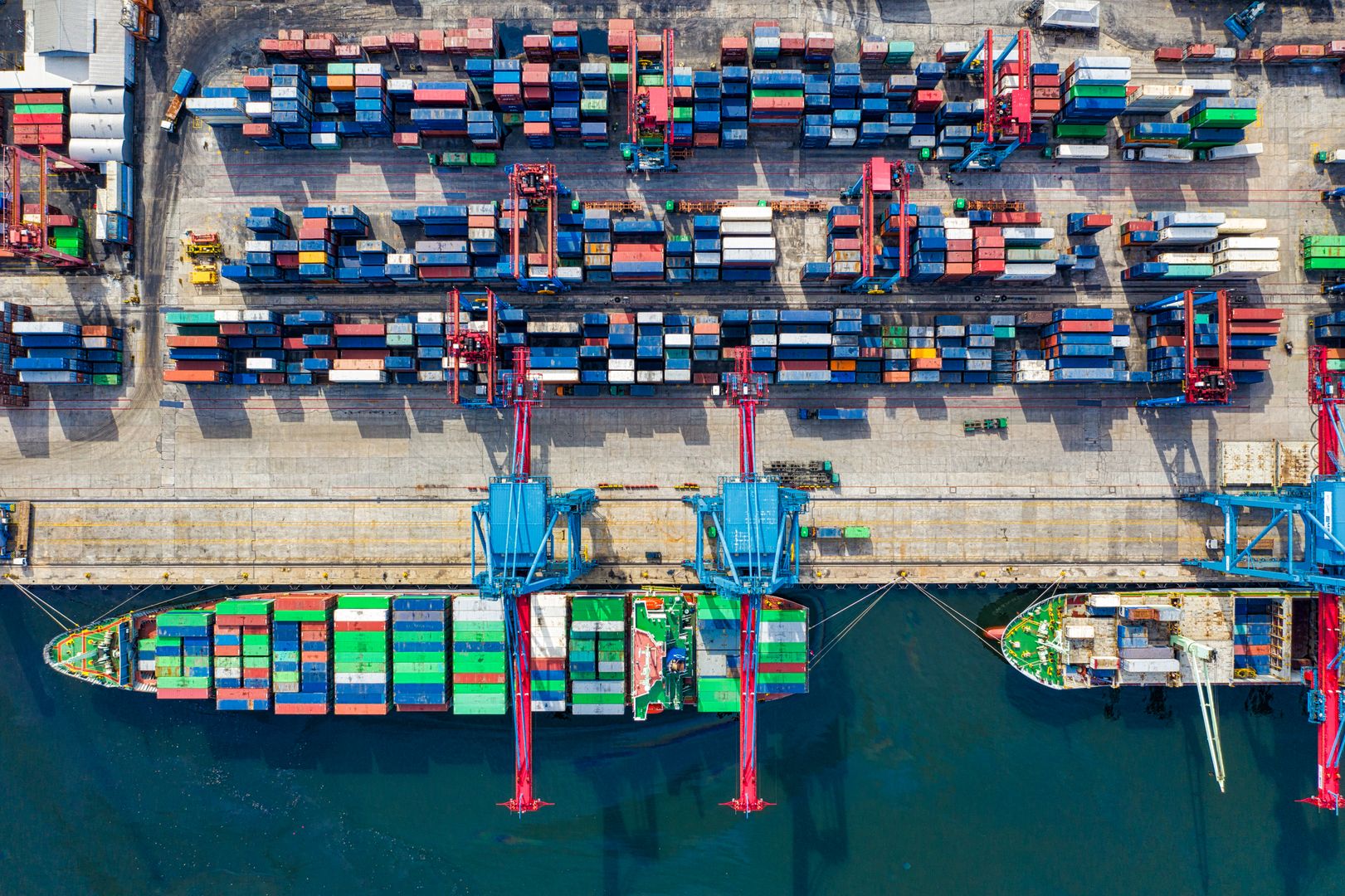
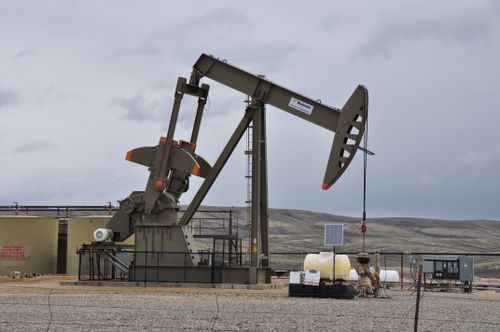
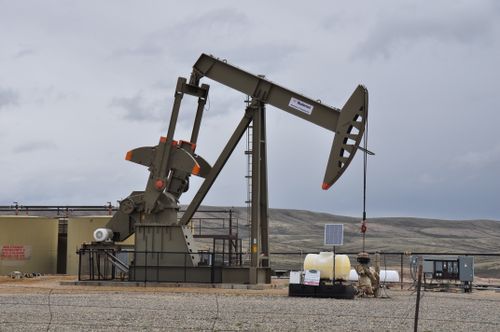
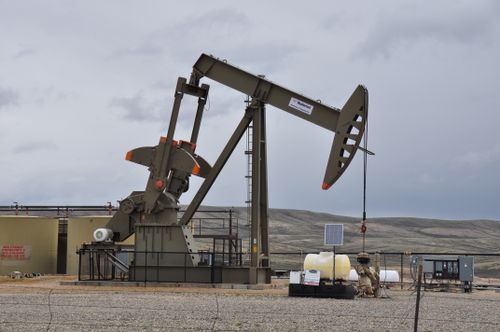
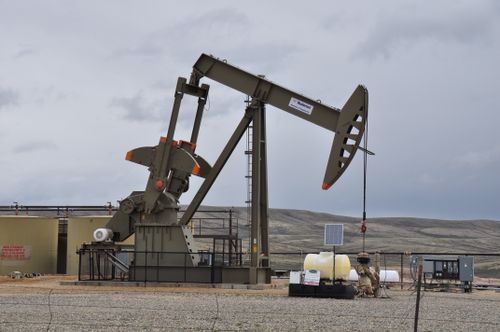
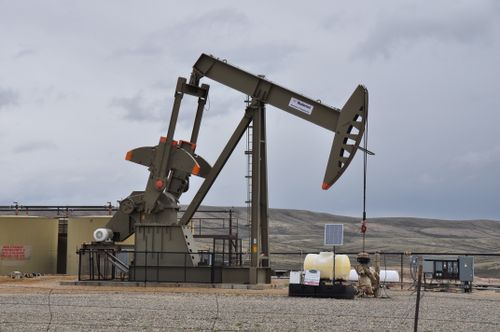
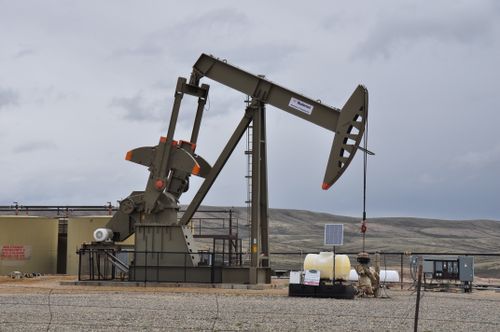
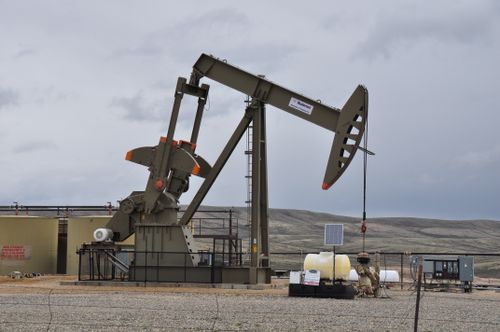
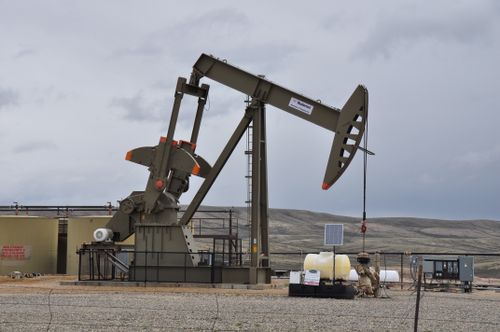
Diesel is not gasoline. Gasoline powers commutes; diesel powers the economy. It fuels the trucks that move groceries, the tractors that harvest crops, the construction equipment that builds roads, and the ships and trains that carry everything else. When diesel breaks records, the cost shows up everywhere within weeks, in freight surcharges, in food prices, in the price of building a house.
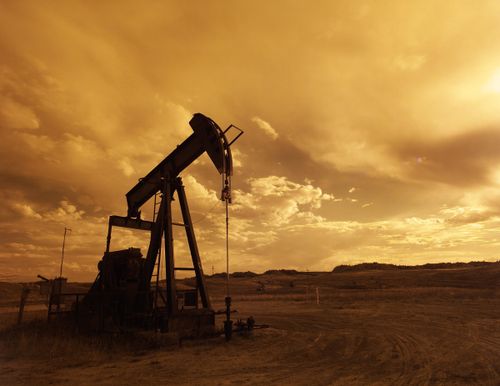
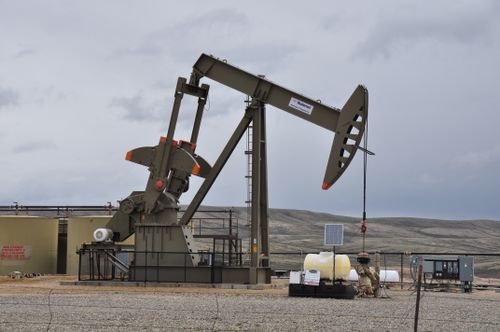
The cause is not mysterious. The war with Iran closed the Strait of Hormuz, and the resulting disruption to crude and refined-product flows tightened an already strained market. The Energy Information Administration said in a September 18 analysis that tight global supplies of diesel and other distillate fuels, combined with elevated crude prices, drove the increase (Daily Caller). The agency’s diesel “crack spread,” the gap between the wholesale price of diesel and the price of crude oil, is expected to stay above $2 a gallon through November before declining steadily through mid-2027, according to the EIA’s Lee Tucker (Daily Caller). In plain terms, refiners are earning unusually large margins turning crude into diesel, and those margins are being passed straight through to the pump. East Coast distillate inventories sit at a record low, and the premium European buyers pay for low-sulfur diesel over Brent crude hit a record of about $95 a barrel (Reuters, via Daily Caller).
That is the backdrop for the political fight. U.S. diesel exports hit a record of about 1.6 million barrels a day in August, up from about 1 million before the war (InvestingLive). President Trump, speaking at the United Nations General Assembly, said he had called within his administration for diesel exports to be halted. “I’ve said, let’s not send out the diesel,” he said. “We make a lot of diesel.” He added that a decision would come “fast, one way or the other” (MarketWatch). On September 27, at the Presidents Cup in Illinois, he went further: “We’re thinking about it very seriously,” he told a Fox News reporter, adding that the administration “may do it” (TokenPost). Treasury Secretary Scott Bessent said officials were examining whether a full or partial ban was feasible given overall refining capacity (Embers News).
The pushback was swift, and some of it came from inside the administration. “The blunt tool of banning diesel exports definitely doesn’t work,” Energy Secretary Chris Wright said at an event in New York, according to Reuters (MarketWatch). The logic of the critics is simple supply and demand. Banning exports would trap fuel at home and might lower prices briefly, but refiners would respond by cutting production to match domestic demand, since they will not keep making fuel they cannot profitably sell. “The problem with export bans is that they don’t increase domestic supply, but may lower supply, causing a further rise in prices,” said Gbenga Ajilore, chief economist at the Center on Budget and Policy Priorities (MarketWatch). Bespoke Investment Group warned a ban could push Gulf Coast refineries toward shutdowns for lack of storage, and ANZ analysts noted that restricting U.S. diesel exports would tighten supply outside the United States, lifting European prices in particular (MarketWatch; Reuters, via WNCY).
Who is hurting, and who is not? The Daily Upside reports that America’s family farms, already squeezed by low crop prices and high interest rates, are being pushed toward bankruptcy by the added weight of record diesel costs. The harvest season is exactly when a farm’s fuel bill peaks. At the other end of the ledger, oil and gas refining and marketing is by far the best-performing of the 126 S&P 500 subindustry groups in 2026, up 145.4% through Friday’s close, according to FactSet (Axios Markets). The scramble for diesel is supercharging refining margins, and shareholders are collecting the difference.
There are middle-ground options on the table. A partial ban, such as capping exports at pre-war levels of about 1 million barrels a day, would hold back roughly 600,000 barrels a day instead of the full 1.6 million, reducing the damage to allies and the risk of refinery run cuts, though it would also deliver proportionally less price relief, concentrated near Gulf Coast refineries (InvestingLive). Republicans are divided: Senator Chuck Grassley, Louisiana Governor Jeff Landry, and Representative Tim Burchett are among those backing curbs, while Senate Republicans are reportedly split (InvestingLive).
The lesson of this case is an old one wearing new clothes. A price is a signal about scarcity, and diesel at $6.53 is signaling that the world does not have enough refining capacity for the disruption it is living through. Political tools can redirect who feels the pain, but the honest versions of the analysts’ arguments agree on the root cause. As Ajilore put it, the main driver of higher prices is the war in Iran: “End the war in Iran, open up the Strait of Hormuz, and diesel prices will fall. Any other solution will fail” (MarketWatch).
My take is that the diesel story is really a story about who pays for geopolitics. The farmer watching fuel costs eat a season’s margin, the trucker paying $340 more per tank, and the family paying more for groceries are all absorbing the same shock. Refiners, meanwhile, are having their best year in the market’s memory. When the next policy proposal lands, whether it is an export ban or something else, the question worth asking is the simplest one: does this create more fuel, or does it just move the shortage around? The record at the pump is already answering.