Update — Sunday, 3:24 PM CT: President Trump said on Sunday that he rejected Iran’s proposal for a ceasefire and a full reopening of the Strait of Hormuz, claiming the U.S. had moved a “record amount” of oil out of the strait the previous night. He told Axios he expects talks with Iran to resume this week (The Times: https://www.thetimes.com/us/news-today/article/trump-rejects-iran-ceasefire-deal-strait-hormuz-vw8vt65p9). Treasury Secretary Scott Bessent said on Fox News that 15 to 22 million barrels a day were now passing through the strait, roughly matching the pre-conflict level of about 20 million. Brent crude fell more than 2% on the news (CoinCentral: https://coincentral.com/trump-shuts-down-irans-hormuz-deal-says-theyre-losing-badly/).
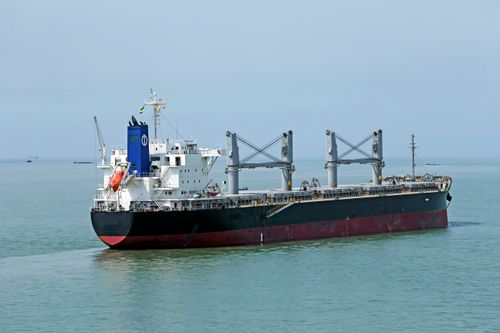
Crude oil prices fell on Friday, September 25, after Reuters reported that the United States and Iran had discussed a phased deal that could reopen the Strait of Hormuz, the narrow waterway through which a huge share of the world’s seaborne oil moves. Brent crude dropped to between roughly $104.32 and $105.85 a barrel, a decline of 0.69 to 2.1 percent, while U.S. benchmark West Texas Intermediate (WTI) slid to between roughly $92.41 and $93.80, down 0.86 to 2.3 percent (Reuters).
It was a whipsaw end to a whipsaw week. For the week as a whole, Brent finished on track to gain about 2 percent, while WTI was headed for a weekly loss of roughly 7 percent (TradingNews). Two crude benchmarks, two different stories. And between them, a week that showed just how thin the line is between diplomacy and missiles in setting the price of the energy we all use.
Thursday was the missile day. Brent jumped 3.4 percent to $106.60 after a Houthi missile barrage on Saudi Arabia, a reminder that oil facilities in the Middle East sit within range of an active conflict and that traders still price that risk in dollars per barrel (Reuters). Friday was the diplomacy day. Reports of a possible phased agreement to reopen the Strait of Hormuz sent prices falling again, as the market weighed the chance that one of the world’s most important oil chokepoints could return to more normal flows.
Pulled one way by talk of peace and the other by the reality of war, the market ended the week somewhere in the middle: nervous, but not panicked.
If you are wondering what a “phased deal” even means here, you are not alone. In plain terms, the reporting described discussions toward an arrangement that would reopen the Strait of Hormuz in stages rather than all at once, with each side presumably taking steps over time. Nothing has been finalized, and traders remained wary: the Reuters report on Friday noted that markets stayed on edge about possible attacks on oil facilities even as they welcomed the diplomatic signal. In oil markets, a rumor of a deal moves prices first; the deal itself comes later, if it comes at all.
That wariness is doing real work in the price of every barrel. When the strait that carries roughly a fifth of the world’s oil is threatened, buyers pay a premium for the risk that supply could be interrupted. When talk of a deal surfaces, that premium starts to drain away. Friday’s selloff was that premium leaking out, not a verdict that everything is resolved.
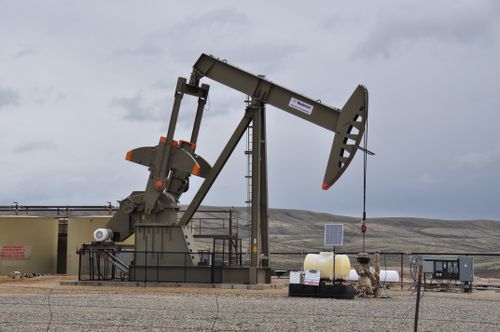
Then there is the inventory picture back home. U.S. crude inventories rose by 2.969 million barrels, a build that surprised a market expecting a draw of 641,000 barrels (TradingNews). In a year when most headlines have been about tight supply and geopolitical risk, a nearly three-million-barrel build is a meaningful counterweight. More oil in tanks means less urgency to bid for it today, and it helps explain why WTI, the American benchmark, had the weaker week of the two.
That divergence is worth sitting with, because it is the part of the story that reaches your wallet. Brent is the global benchmark: it prices the oil Europe, Asia, and much of the world imports, and it carries the full freight of Middle East risk. WTI is the American benchmark, tied more closely to supply in Texas and Oklahoma and to what is sitting in storage in Cushing. When the world worries about Hormuz, Brent rises more than WTI. When American inventories build, WTI lags. This week both forces operated at once, and the benchmarks split: Brent up about 2 percent for the week, WTI down about 7 percent.
For drivers, the practical takeaway is that gasoline prices follow crude with a lag, and they follow the global benchmark more than the local one in most markets. A Brent price above $104 still reflects a meaningful risk premium, so do not read Friday’s drop as the all-clear on fuel costs. But a weaker WTI is a genuinely friendly signal for U.S. supply, and the inventory build suggests the domestic cushion is thicker than the market expected.
There was also a quieter corporate story unfolding in the background, and it tells you where the big oil companies think value sits right now. On September 24, Reuters reported that BP had entered the data room for Devon Energy’s South Texas operations in the Eagle Ford shale, an asset estimated at around $4.5 billion by TPH Research, but ultimately walked away after reviewing it (Reuters). The data room had opened in late August.
The episode is a small window into BP’s new direction under chief executive Meg O’Neill, who joined in April and has been refocusing the company on its core oil and gas business. BP is reportedly targeting oil-weighted assets in the $2 billion to $5 billion range, which made Devon’s Eagle Ford operations a natural look. Analysts have noticed the shift: HSBC upgraded BP to Buy and JPMorgan moved it to Overweight.
The market’s verdict on the news was mixed. Devon shares rose 1.8 percent on Thursday, while BP fell 3.4 percent on Friday. Devon is up roughly 34 percent year to date, according to LSEG data. For everyday investors, the message inside the M&A chatter is that American shale still commands serious attention from the majors, even at triple-digit oil prices: BP looked closely enough to get into the data room, even if it did not like what it found enough to bid.
So where does this leave us? A week that opened with missile strikes and closed with diplomacy talks has left oil prices elevated but not spiraling. Brent holding above $104 says the market still believes Hormuz risk is real. WTI’s 7 percent weekly slide says American supply is, for now, comfortable.
If you are budgeting for fuel, heating, or anything that moves by truck, my take is this: watch the strait, not the daily price swings. The diplomatic track is the variable that could unwind the risk premium in a hurry, while any new attack on facilities could put it right back. The inventory data suggests the physical market is less tight than the headlines imply, which is the kindest thing you can say about an oil market living under the threat of war. That is not comfort, exactly. But in a year like this one, a little less tightness is something.