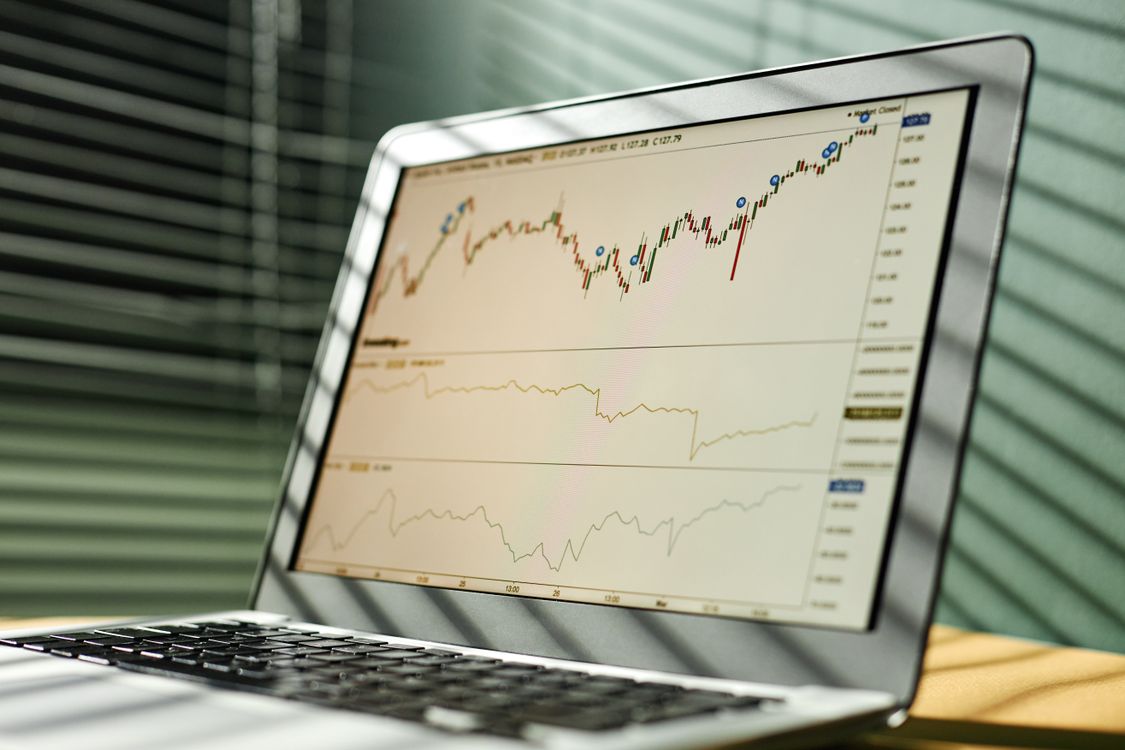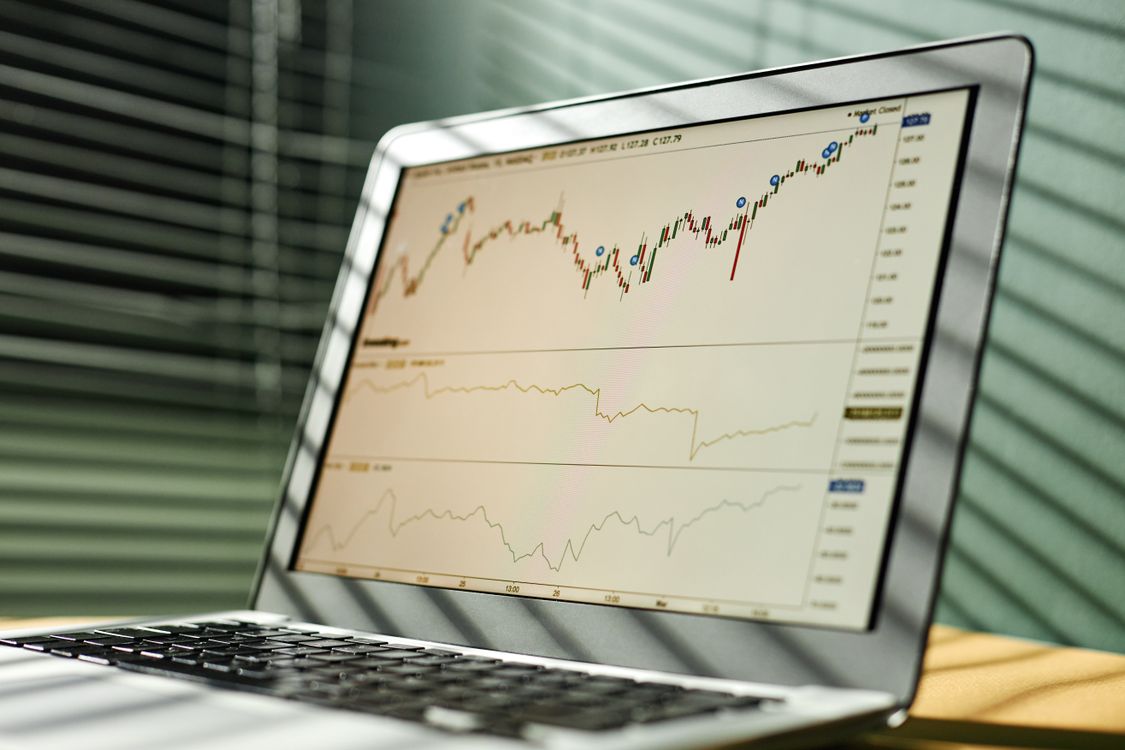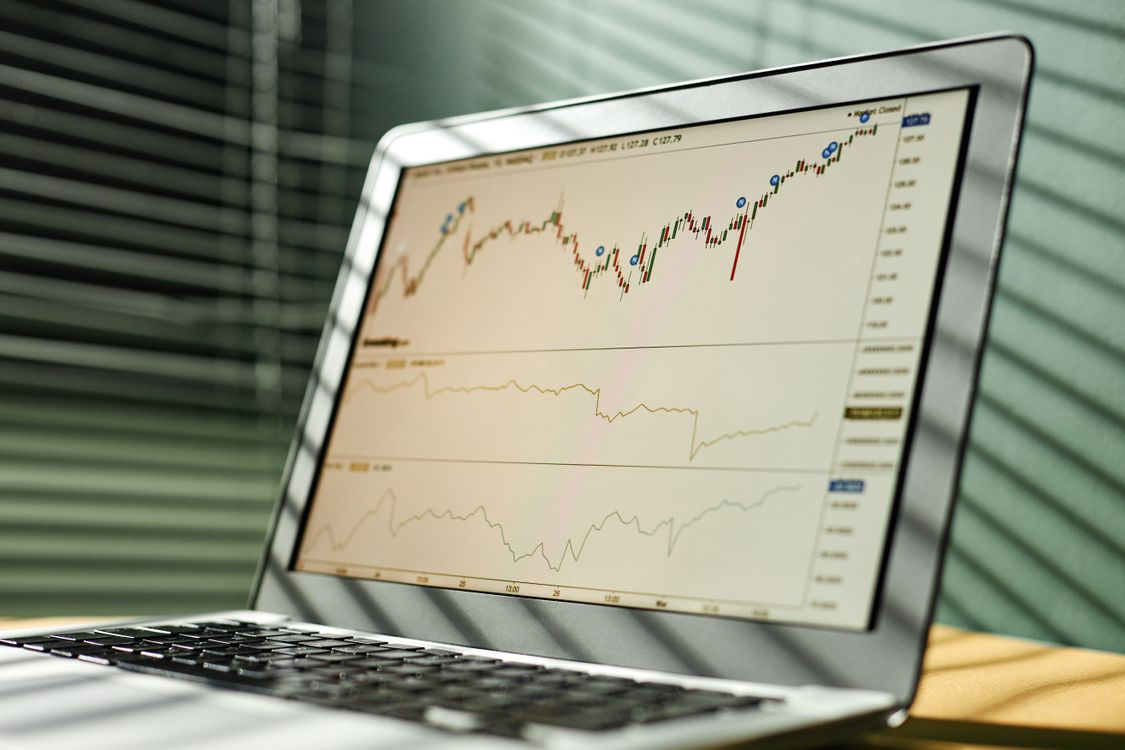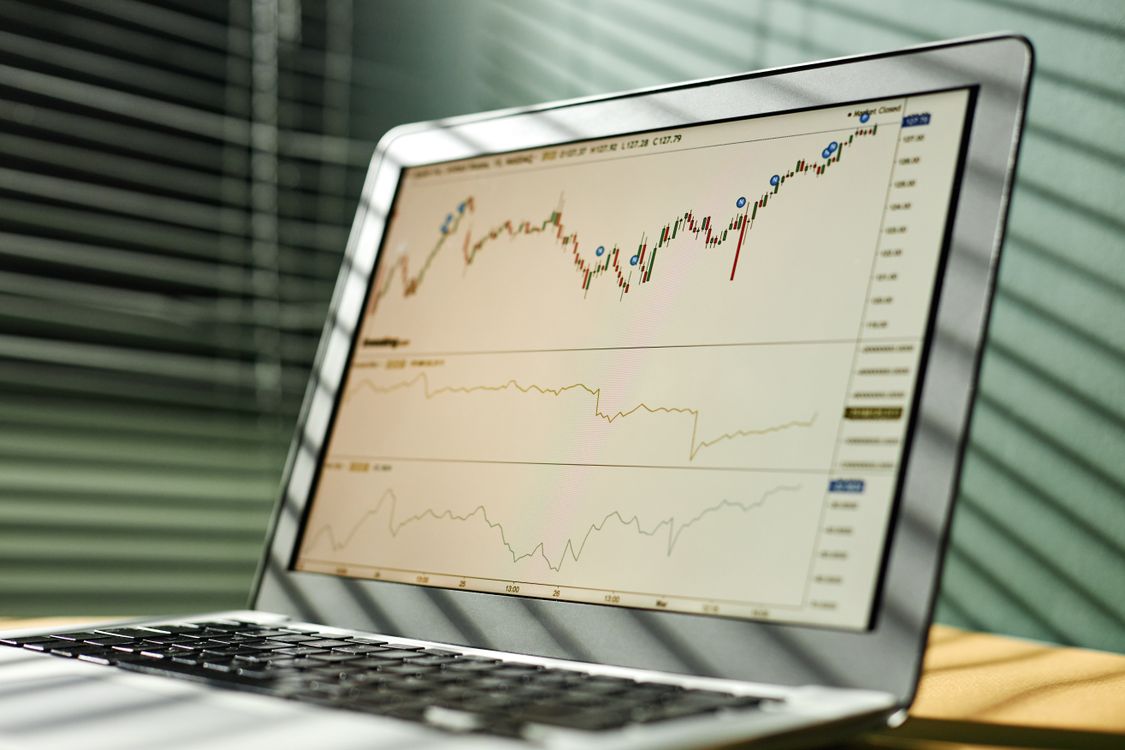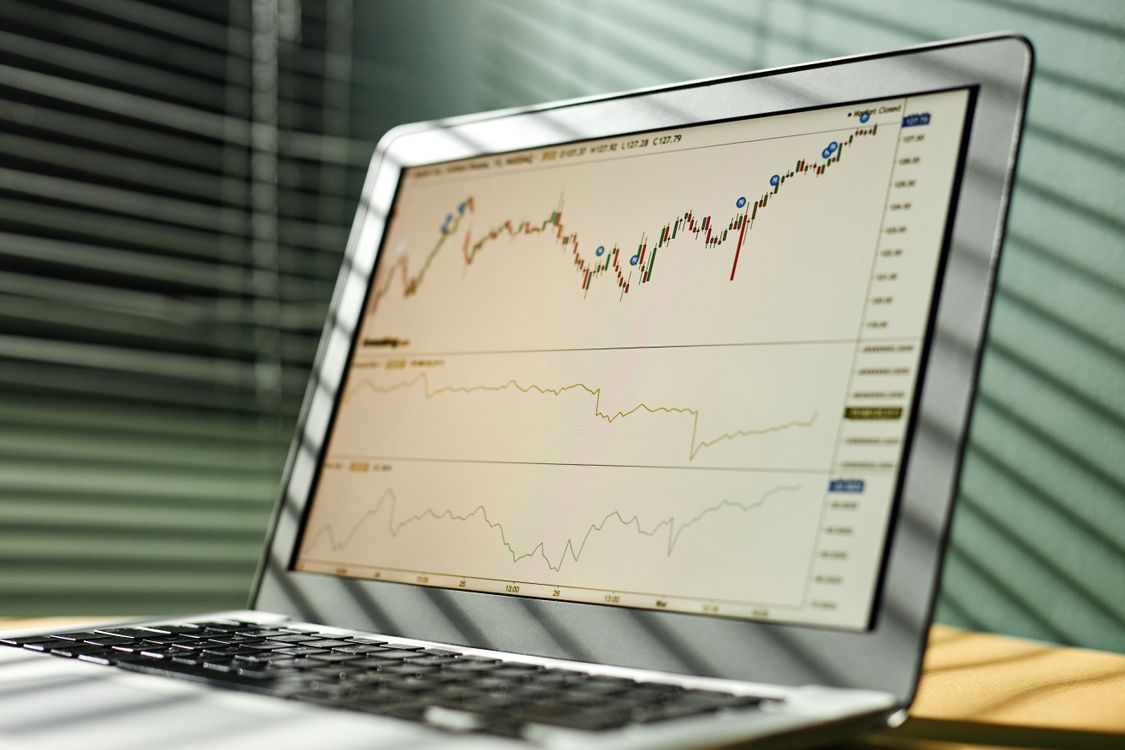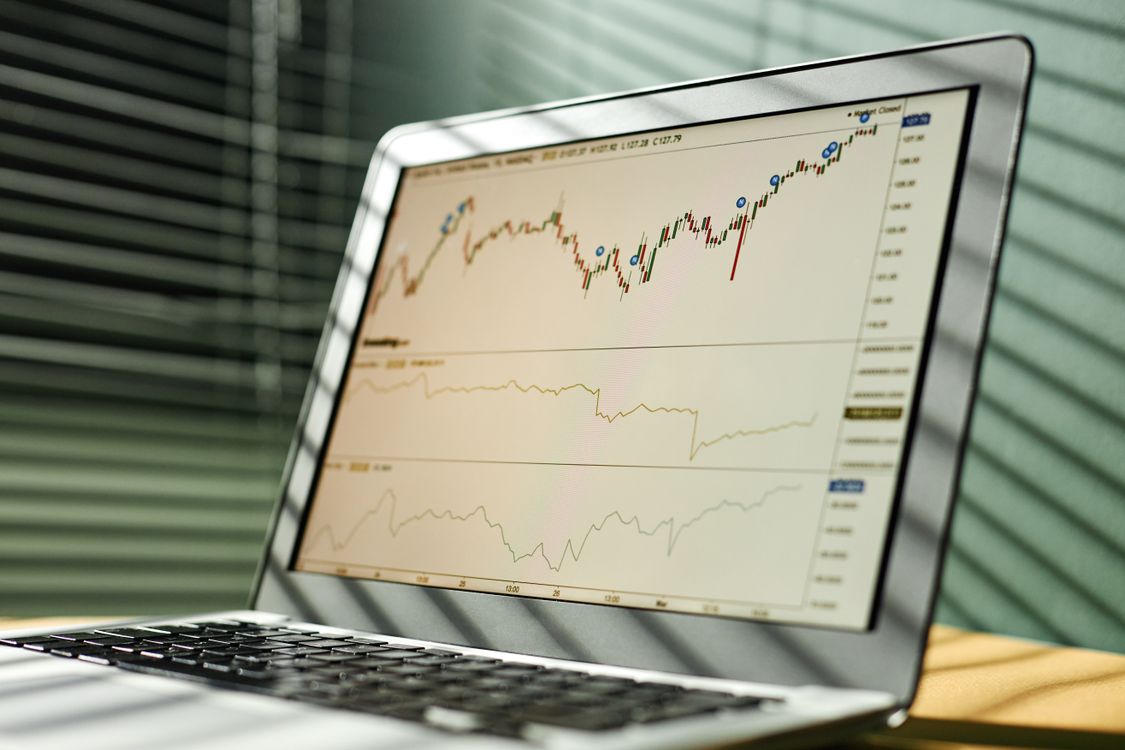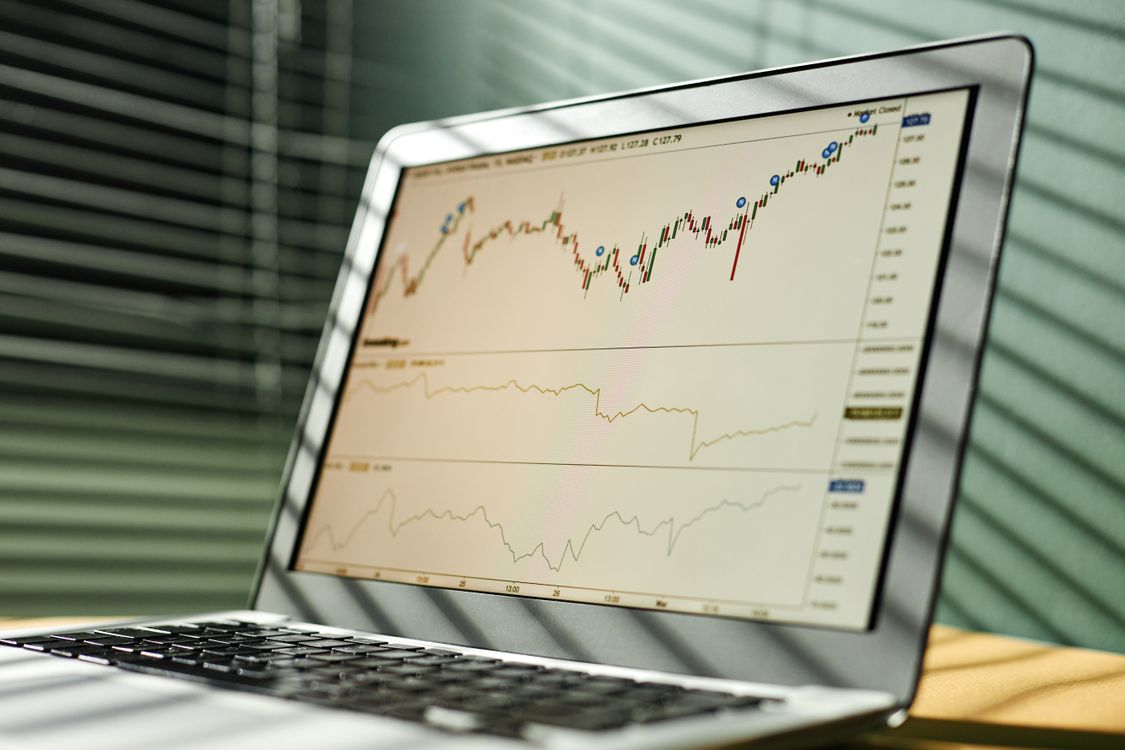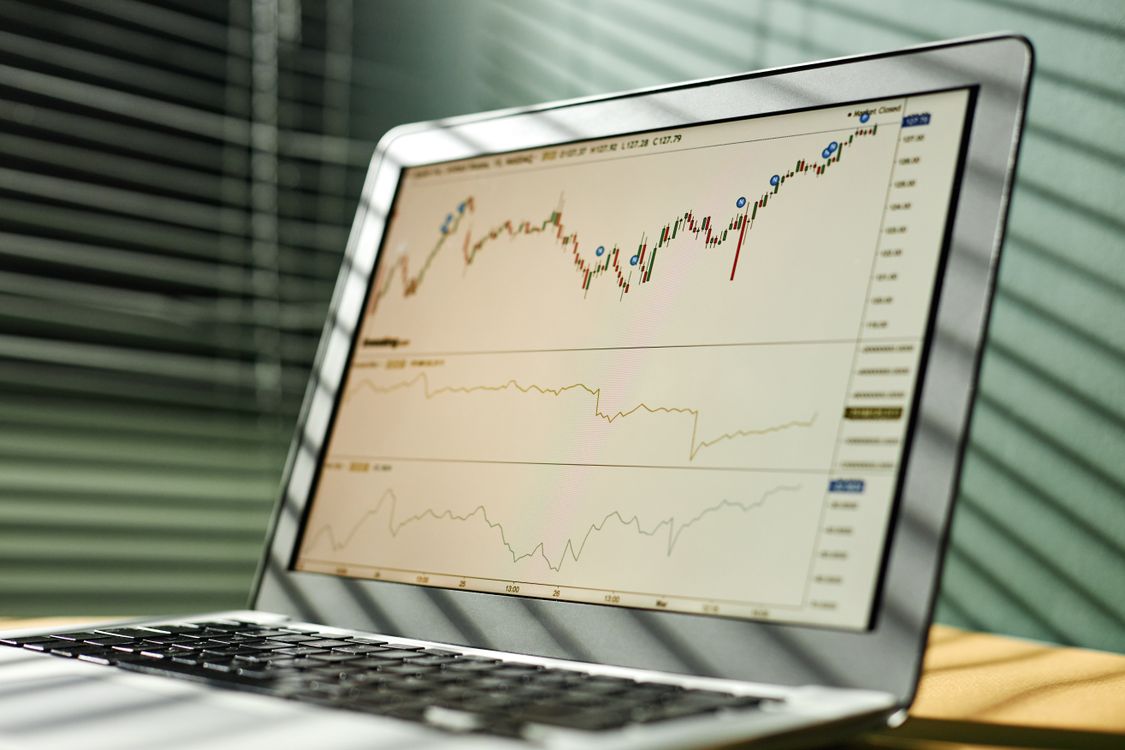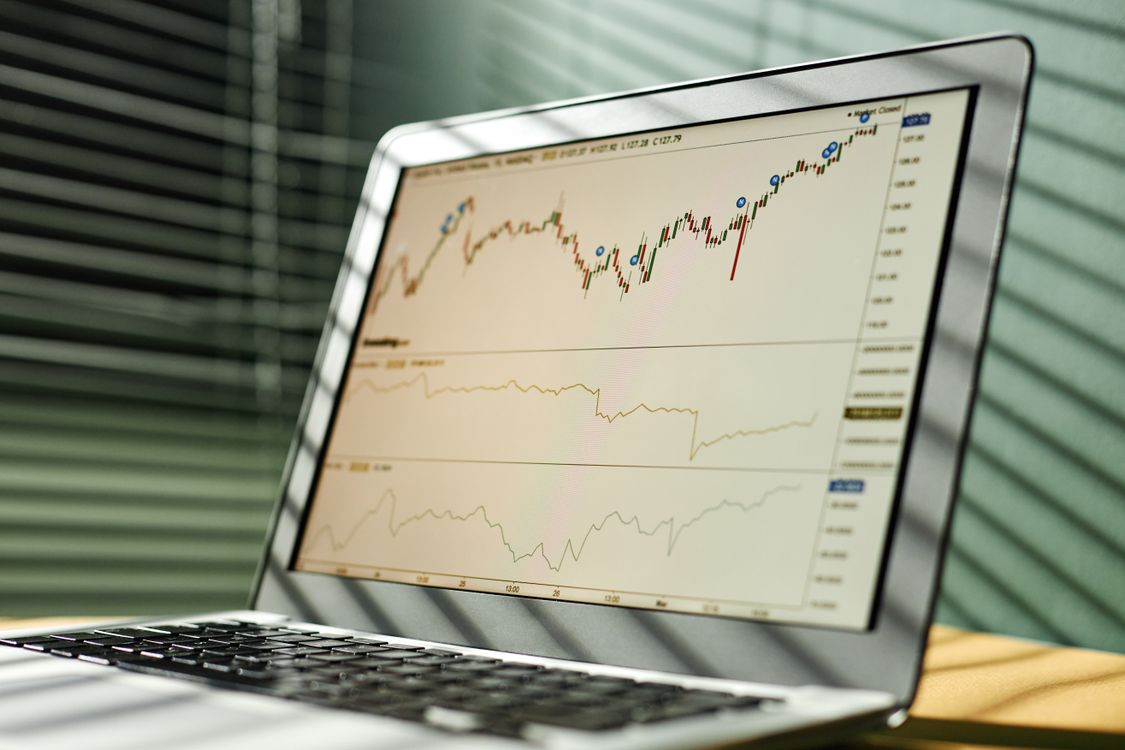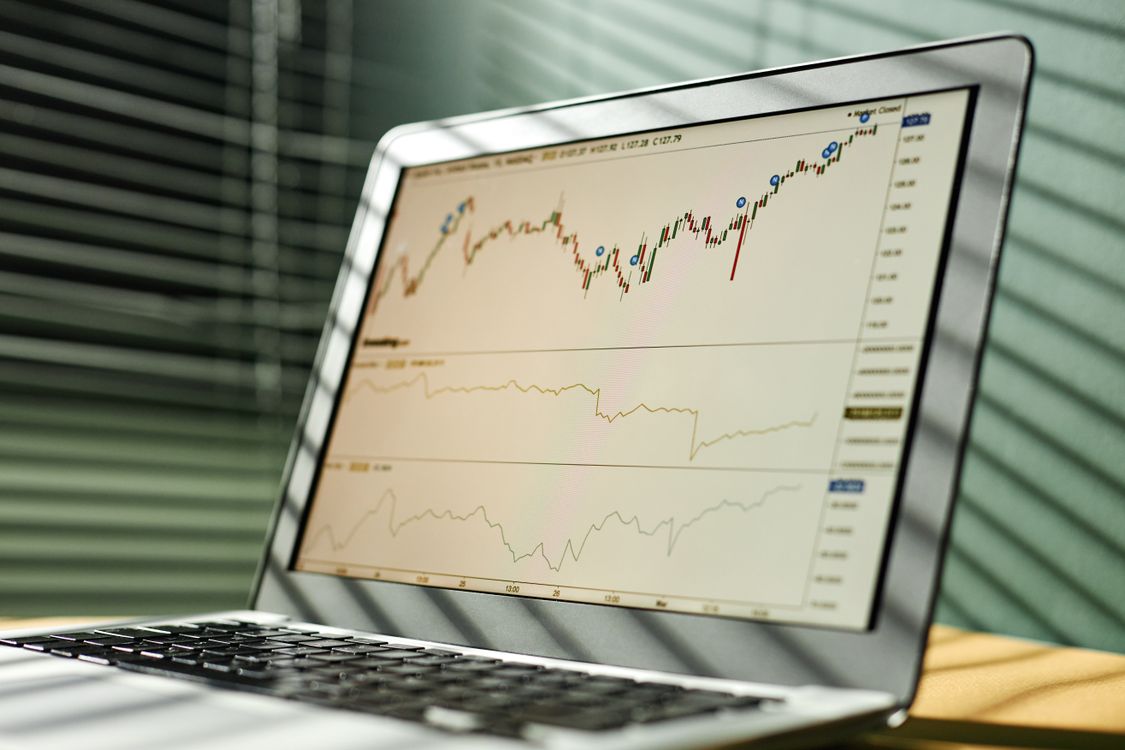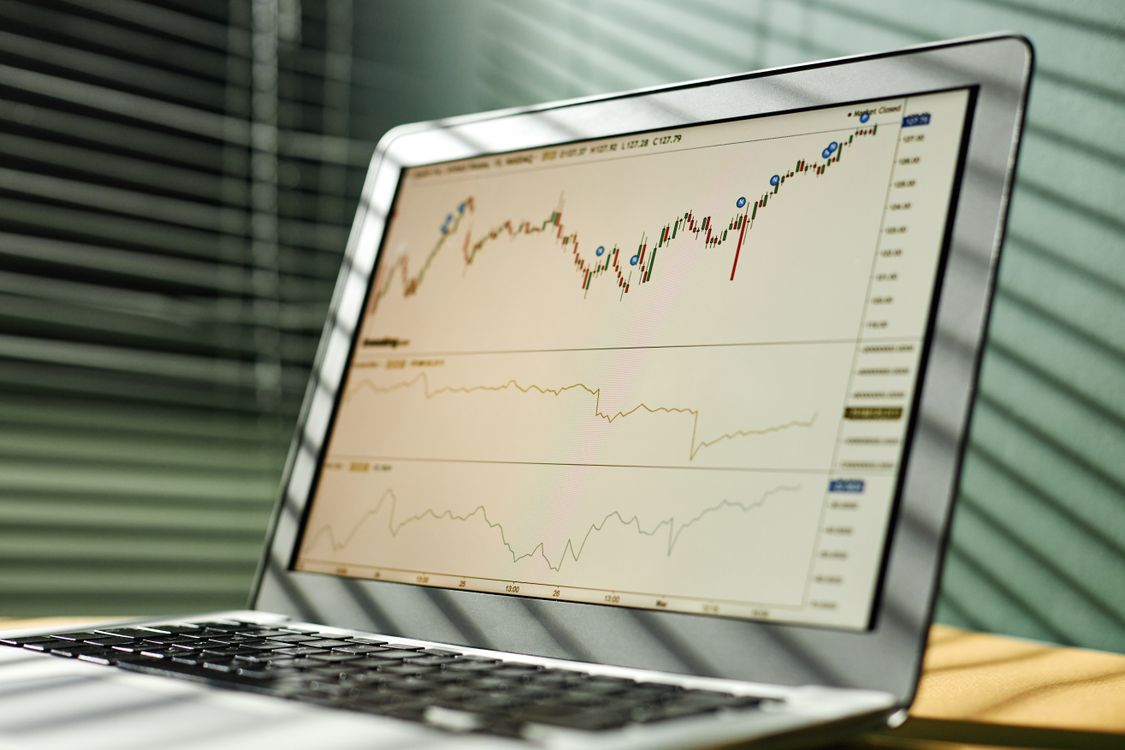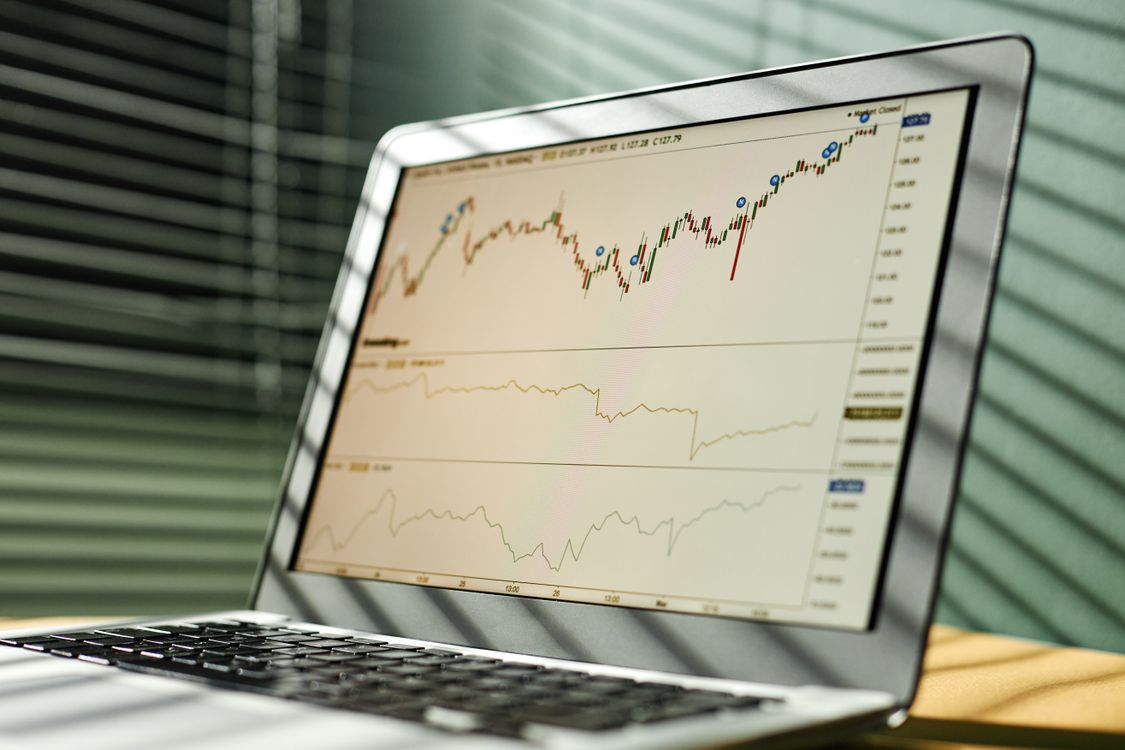

Wall Street took one look at Friday’s disappointing September jobs report and decided it was exactly what it wanted to hear. The Nasdaq Composite climbed to a new all-time high in midday trading, rising 1.2%, while the S&P 500 added 0.7% and the Dow industrials gained 0.4% (Investopedia) (Investor’s Business Daily).
The logic is simple enough to explain at a dinner table. The Labor Department reported that employers added just 29,000 jobs in September, far below the 84,000 economists expected, and the unemployment rate ticked up to 4.2%. Bad news for workers, but good news for anyone hoping the Federal Reserve holds off on raising rates again. Traders now see only an 18.3% chance of a hike at the October 28 meeting, down from 64.2% a week ago, according to the CME FedWatch tool (Barron’s).
“Today’s soft payroll report demonstrates that the labor market is simmering, not boiling, which should bolster the case for the Fed to remain on hold at the October meeting,” Jeff Schulze, head investment strategist at Franklin Templeton Institute, told Barron’s. Janus Henderson portfolio manager Bradford Smith added that the jobs miss “takes an October rate hike by the Federal Reserve off the table” (IBD).
Chip stocks led the charge. Nvidia broke out above a 234.76 buy point, Teradyne jumped nearly 7% toward a breakout over 444.17, and optical-components maker Lumentum rose 4%, extending its weekly gain past 15%. Monolithic Power gapped above its 200-day moving average with a 6% pop, and fellow chipmakers SiTime, Taiwan Semiconductor, ASML, and United Microelectronics all advanced 2% to 6%. SpaceX spurted 6% higher on the Nasdaq, and Arrow Electronics tacked on 5% to clear a 14-week consolidation (IBD).
Not every chipmaker joined the party. Seagate and Western Digital tumbled as much as 15% and 14%, respectively, after a Nikkei report said Toshiba plans to invest about $380 million to double its hard-disk-drive capacity for AI data centers by fiscal 2027. It was Seagate’s worst single-day decline since April 2025, per Dow Jones Market Data. Still, Evercore ISI analyst Amit Daryanani told clients he remains “constructive” on both, noting long-term purchase agreements with cloud hyperscalers and the pair’s lead in HAMR technology (Barron’s).
The bond market blinked first. The 10-year Treasury yield, which hit a 24-year high of nearly 5.35% on Thursday, slipped as low as 5.16% after the jobs report before drifting back up to around 5.25% by midday. The 2-year yield, which tracks Fed expectations most closely, fell to 4.76% (Barron’s) (Investopedia).
Energy gave the market a tailwind too. West Texas Intermediate crude sold off 2% to around $91 a barrel and Brent fell 2.7% to about $99.50 after the G7 agreed to a coordinated release of 100 million barrels from emergency reserves, with a frontloaded diesel drawdown. Bitcoin hovered near $86,000, up more than 2% on the day (IBD) (Morningstar).
What to watch next: the September inflation report lands October 14, and it will be the last big data point before the Fed’s October 28 meeting. Entering Friday, the Dow, S&P 500, and Nasdaq were down 1.7%, 1%, and 0.7% for the week, so a strong close today would put the indexes back on their feet to start October (Investopedia).