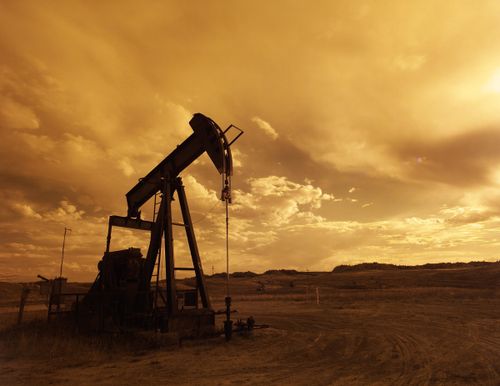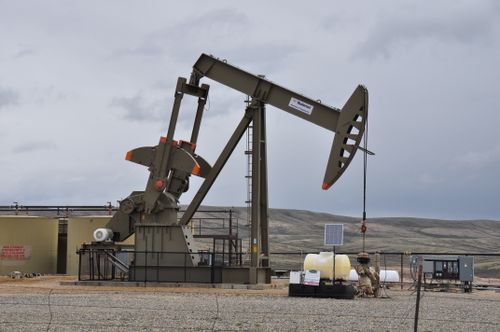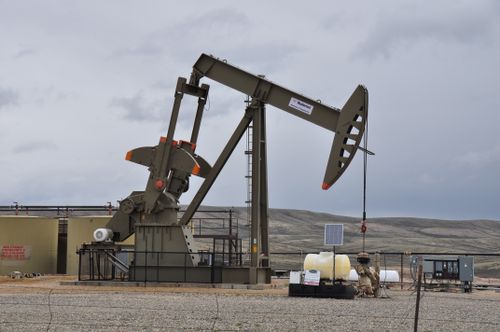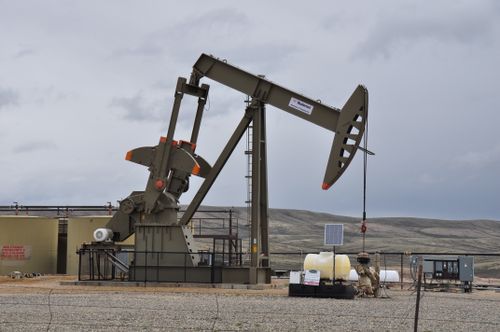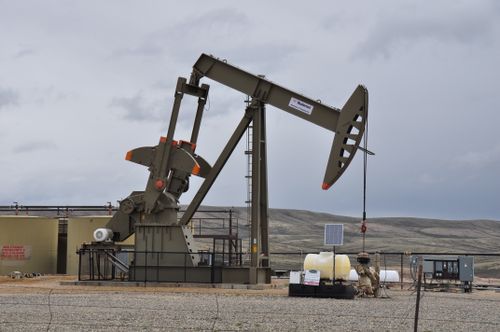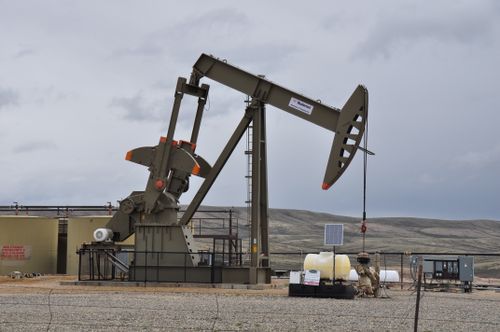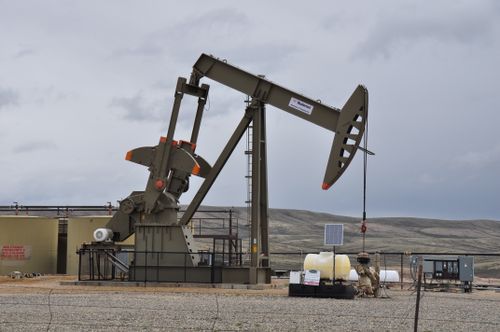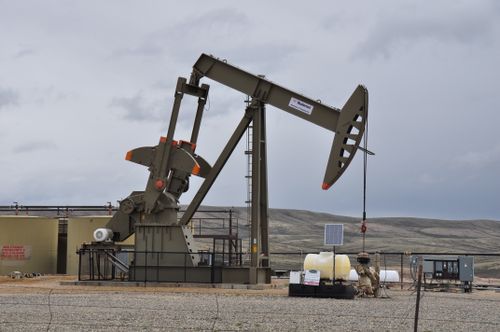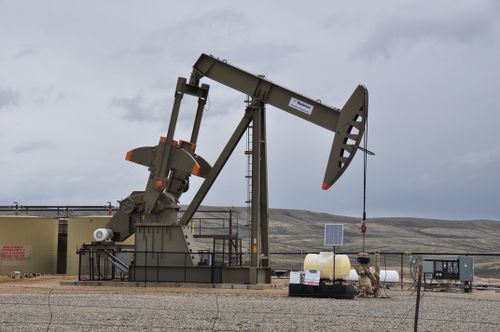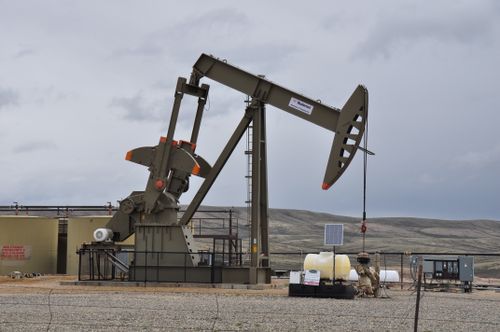
The average American driver paid $6.52 for a gallon of diesel this week, a record high, up from $3.69 a year ago. Diesel is the fuel that moves the economy: the trucks that deliver groceries, the tractors that harvest wheat, the trains that carry goods between ports and warehouses. When diesel doubles in a year, everything that moves gets more expensive. So when Politico reported that the Trump administration was readying a 90-day halt on diesel exports to bring prices down, the idea sounded almost like common sense. Keep American fuel in America. The White House called the report “fake news,” Energy Secretary Chris Wright said the administration might restrict exports but not ban them, and Treasury Secretary Scott Bessent said officials are studying the feasibility. Before the debate goes further, it is worth understanding what diesel is, how its market works, and why economists think a ban could backfire.
Start with the basics. Diesel and gasoline come from the same barrel of crude oil, but they serve different masters. Gasoline powers passenger cars; diesel powers commerce. Nearly every physical good you buy traveled by diesel at some point. That is why diesel prices feed directly into the cost of food, construction, and manufactured goods. According to The Daily Upside, Vanguard estimates diesel is up 35 percent since the end of June, compared with 16 percent for gasoline. Europe’s diesel benchmark is up 135 percent this year. The pain is global, but America is feeling it at the pump and on the shelf.
Now the export question. The United States exports about 1.5 million barrels of diesel per day, roughly 20 percent of the world’s seaborne supply, according to the American Petroleum Institute. The logic of a ban is simple: if that fuel stayed home, domestic supply would rise and prices would fall. And in the very short run, that is probably true. More supply, same demand, lower price. This is the argument’s entire appeal, and it fits on a bumper sticker.
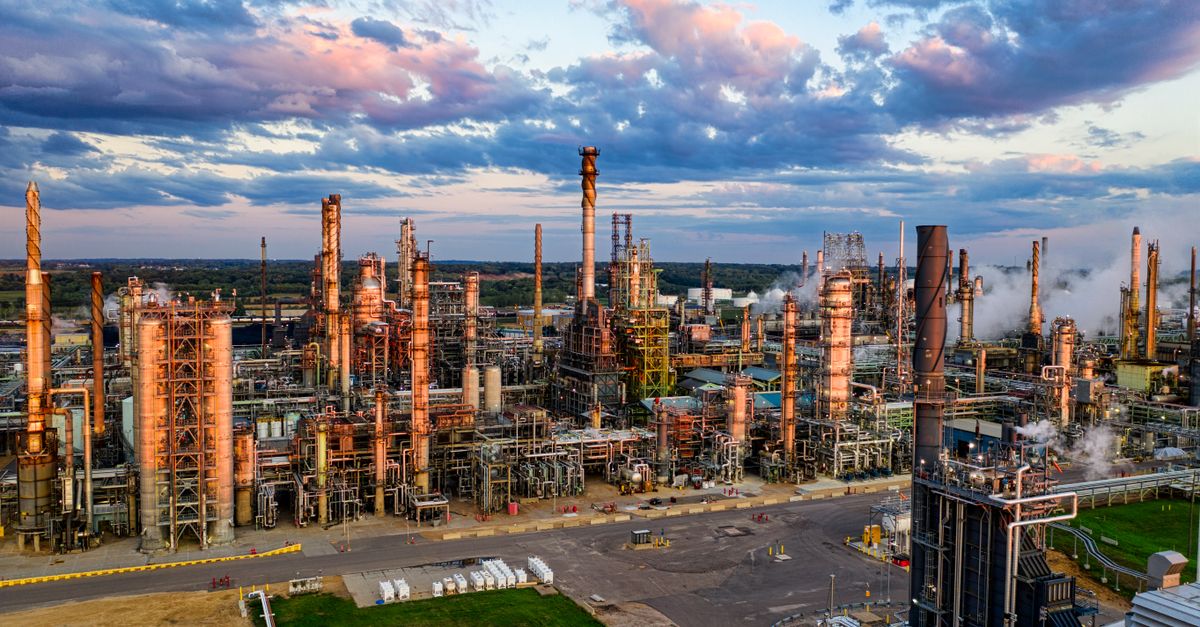
Here is where the mechanics get complicated. Refineries are not faucets; they are finely balanced machines. A refinery turns each barrel of crude into a fixed slate of products: some gasoline, some diesel, some jet fuel, some heating oil, some petrochemical feedstocks. You cannot make only diesel. If an export ban traps diesel inside the United States and domestic storage fills up, refineries cannot simply keep running. As Garrett Golding of the Dallas Fed explained, once refineries hit storage limits, they cut their run rates, which means they produce less of everything, including gasoline. A policy meant to lower diesel prices could end up raising gasoline prices, and gasoline accounts for more than 50 percent of the variability in headline inflation, compared with about 3 percent for diesel, according to Vanguard’s analysis. The cure could worsen the disease it was meant to treat.
There is a second problem: the rest of the world. Those 1.5 million barrels a day do not vanish if America keeps them; they vanish from Europe, Latin America, and Asia. Europe, already paying record diesel prices, would face genuine shortages. Allies who depend on American fuel would be forced to bid for scarcer supply from elsewhere, likely at higher prices, in a market already strained by the Iran conflict that has curtailed roughly a fifth of the world’s oil and gas shipments. Energy is one of America’s most effective diplomatic tools; withholding it from friends to shave cents off domestic prices is a trade most strategists would hesitate to make.
A third problem is investment. Refineries expand and maintain capacity based on expected returns from global markets. If the government demonstrates it will trap their product inside the country whenever prices spike, the incentive to invest in new diesel capacity falls. The next shortage then arrives sooner and hits harder. This is the classic pattern of price controls: relief today, scarcity tomorrow.
So what actually lowers diesel prices? The unglamorous answers: more refining capacity, calmer geopolitics, and time. The current spike is driven substantially by the Iran war and the threats to shipping through the Strait of Hormuz, which have pushed Brent crude above $105 a barrel. Friday brought a pullback on reports of U.S.-Iran talks about reopening the strait. If those talks progress, diesel follows oil down without any ban. If they fail, no export restriction fixes a supply shock at its source.
For households, the practical takeaway is that diesel inflation arrives disguised. You do not buy diesel directly, but you pay for it in the grocery aisle, in the cost of a home renovation, in the price of anything shipped. JPMorgan’s wealth management arm has warned that sustained high diesel costs force businesses into an unpleasant trio of choices: accept lower profits, raise prices, or cut costs, usually meaning jobs. Watching diesel is watching a leading indicator of the prices you will pay next month.
My take is that the export ban debate reveals how tempting simple answers become when prices hurt. Keep our fuel at home sounds patriotic and costs nothing to say. But fuel markets are global plumbing, and blocking one pipe raises pressure everywhere else. The administration seems to understand this, which is why the White House distanced itself from the ban and Bessent is “studying feasibility” rather than signing orders. Study is the right speed for an idea with this many side effects.
The bottom line
Diesel at $6.52 is a real burden, driven by war, tight refining, and strong demand. An export ban would likely cut U.S. prices briefly, then risk refinery cutbacks, higher gasoline prices, allied shortages, and weaker future investment. The durable fix is more supply and less conflict, neither of which fits in a 90-day order.