There is an old saying on trading floors that in a gold rush, you want to own the company selling shovels. In the oil shock of 2026, the shovels turned out to be refineries, and no shovel-seller had a better year than Phillips 66.
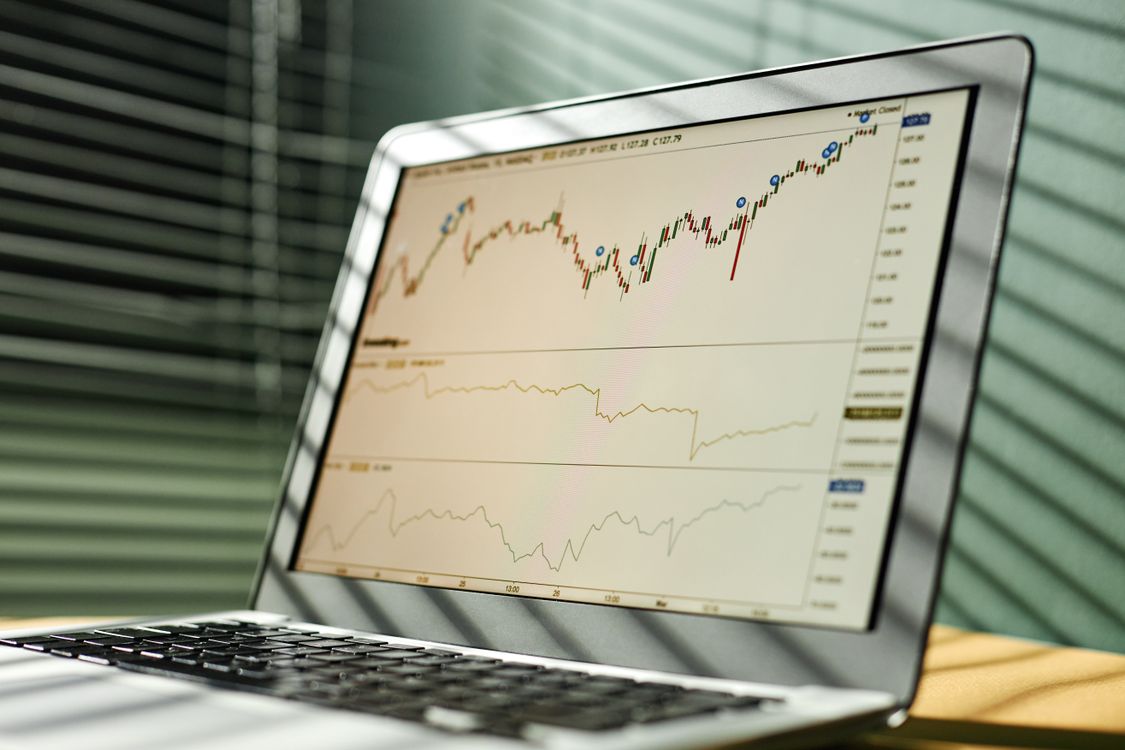
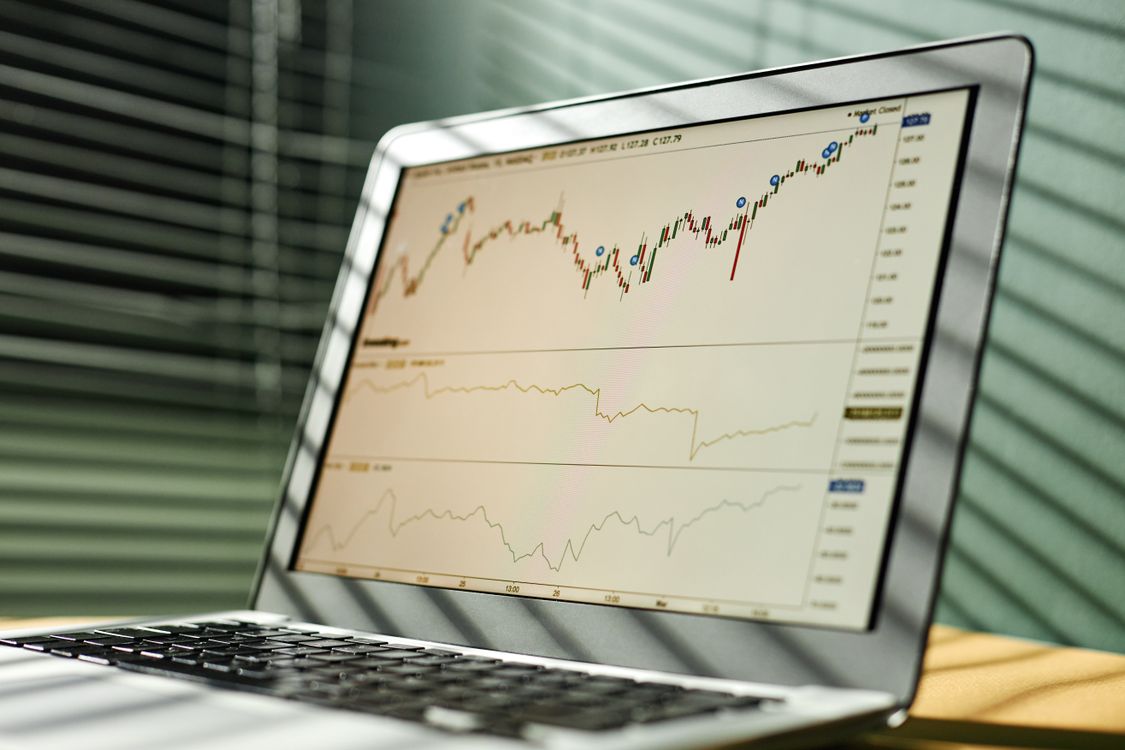
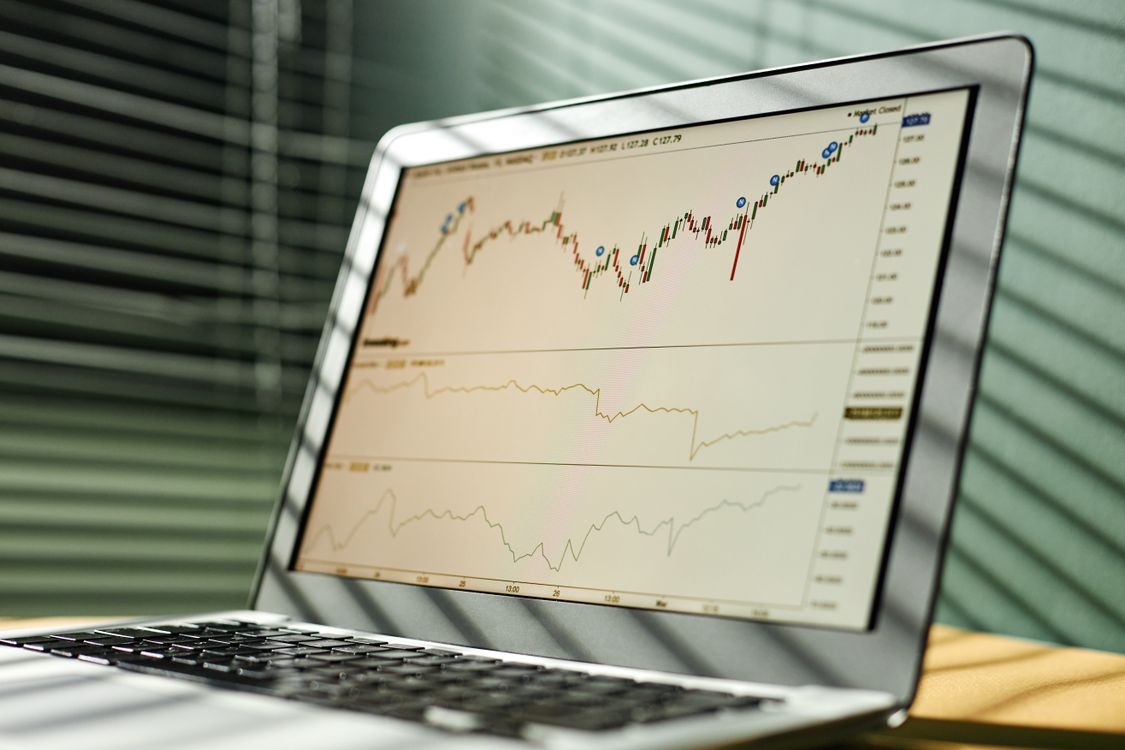
Consider the numbers from its second quarter, reported this summer. Adjusted earnings of 9.41 dollars a share, up from 49 cents three months earlier. Net income of roughly 3.85 billion dollars, against 877 million a year before. Revenue of 52.04 billion, nearly 44 percent above what Wall Street expected. The stock responded the way stocks do when the math changes that fast: shares surged 51 percent in the third quarter alone and are up 98 percent on the year, trading near 265 dollars, within reach of a 52-week high.
This is a case study in how a boring middle-of-the-supply-chain business becomes the hottest stock in America, and in what that tells the rest of us about cycles, luck, and the difference between a great quarter and a great company.
What a refiner actually sells
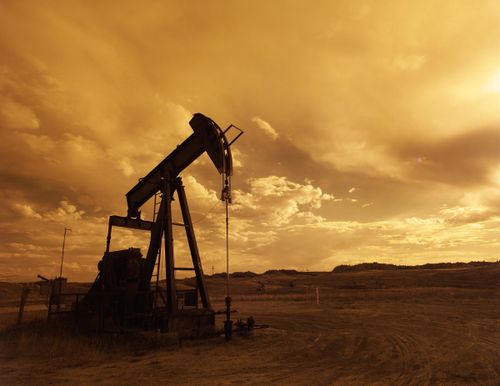
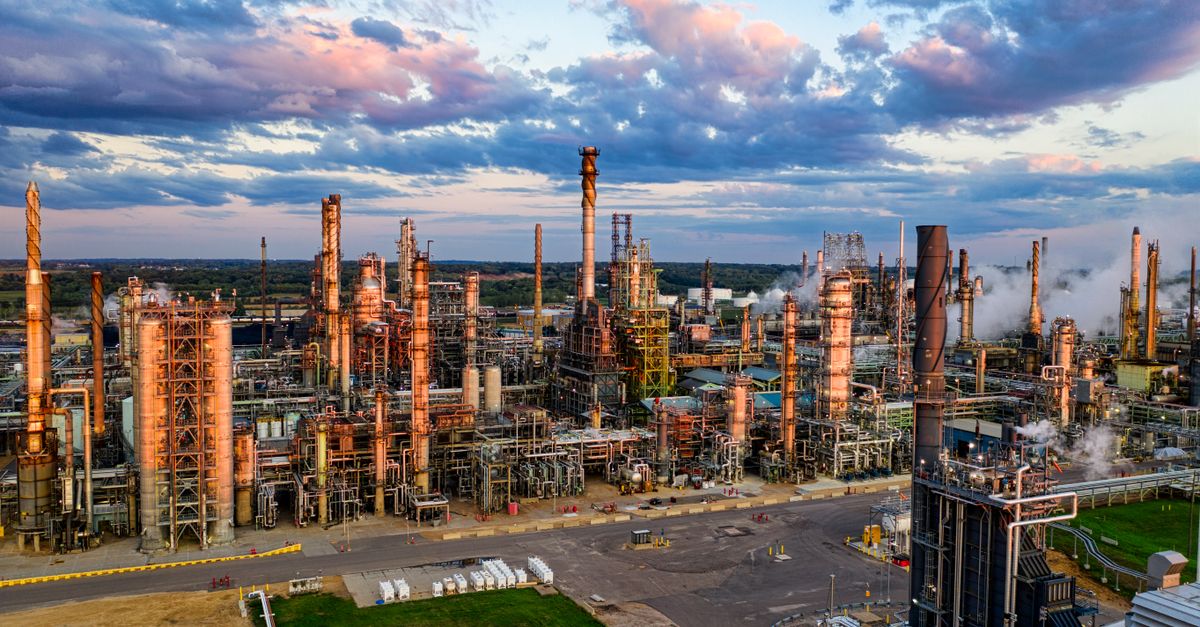
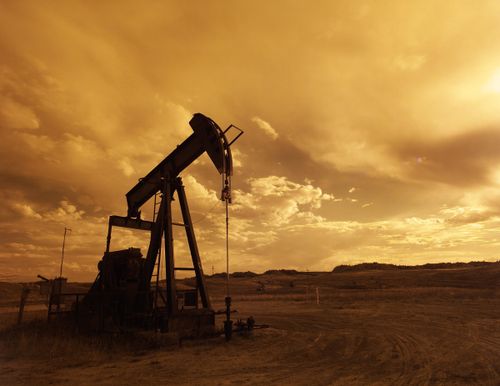
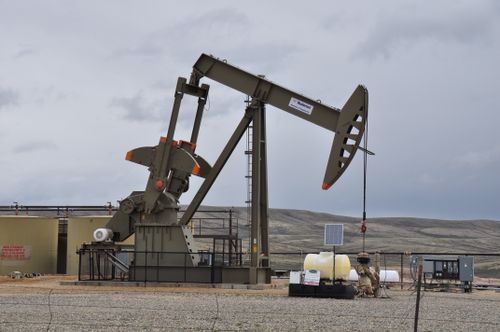
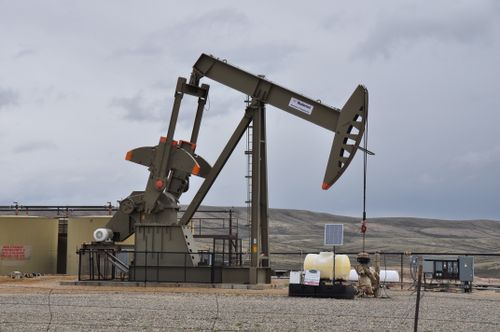
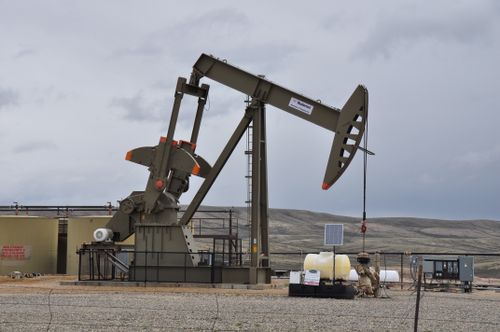
Phillips 66 does not pump oil out of the ground. It buys crude and sells what crude becomes: gasoline, diesel, jet fuel, lubricants. Its profit lives in the gap between those two prices, a relationship traders call the crack spread. When the gap is narrow, refiners scrape by. When it widens, they print money.
In 2026 the gap blew out to record widths, and the cause was a genuine shortage, not speculation. About 1.2 million barrels a day of American refining capacity has been permanently closed or converted since 2019. Russian processing has been cut by prolonged drone strikes. The International Energy Agency estimates global refining output fell by about 4.5 million barrels a day in the second quarter. Meanwhile the Iran war disrupted crude flows through the Strait of Hormuz and pushed fuel prices up faster than crude itself. U.S. gasoline crack spreads climbed to 60 dollars a barrel, their highest since April 2020, while ultra-low sulfur diesel futures hit a record 93.84 dollars a barrel.
Phillips 66 sat directly in the path of that windfall. Its realized refining margin reached 24.08 dollars per barrel in the second quarter, up from 10.11 in the first, more than doubling in ninety days. Refining adjusted pre-tax income jumped to 3.09 billion from 208 million. The company’s refineries ran at 96 percent utilization, essentially flat out, even while completing planned maintenance turnarounds at its Wood River refinery in Illinois and its Humber refinery in the United Kingdom.
It was not only refining. Marketing and Specialties swung to 514 million in pre-tax income from a 141 million loss. Renewable Fuels posted 544 million against a 41 million loss, helped by higher regulatory-credit prices. Midstream income rose to 785 million, with record natural gas liquids fractionation of 1.02 million barrels a day. Every segment improved. But refining did the heavy lifting, and refining is where the cycle lives.
What management did with the windfall
Here is where the case study gets interesting, because windfalls test discipline more than droughts do.
In late July, with the stock already soaring, the board authorized a 10 billion dollar expansion of the share-repurchase program, lifting the total authorization to about 23 billion. At recent prices that is enough to retire roughly 12 percent of outstanding shares. Management also cut net debt by about a quarter sequentially to roughly 16.5 billion and kept paying a dividend that has grown for more than a decade.
You can read that two ways, and honest investors should hold both. The generous reading: management is returning record cash to owners instead of building monuments to the cycle, exactly what a cyclical company should do at the top. The skeptical reading: buying back 12 percent of the company near all-time highs is an expensive way to express confidence, and it only works if the margins persist.
Analysts are split in a telling way. Of about twenty firms covering the stock, roughly fifteen rate it a Buy, and UBS, BMO Capital, and TD Cowen all raised price targets in September. Yet the average target sits near 222 to 242 dollars, below the recent trading price. The market is pricing in margin strength faster than analysts are willing to model it. Somebody is wrong about how long this lasts.
The test ahead
Phillips 66 reports third-quarter results in the coming weeks, and for a stock that has already doubled, that report matters less as a scorecard than as a test: is the margin supercycle intact, or has the market already priced its end? Zacks notes that 2027 earnings estimates are already lower, pointing to expected normalization. Management itself expects tighter supply and demand to support margins into 2027, but “tighter” is not “record.”
This is the permanent lesson of the refinery business. Crack spreads are among the most mean-reverting numbers in finance. Record margins attract exactly two responses: demand destruction, as high fuel prices curb driving and shipping, and supply responses, as every available refinery runs flat out and idled capacity creeps back. The 24.08-dollar margin is not a new normal. It is a spike wearing a costume.
What this means for you
You probably do not own Phillips 66, and this is not a recommendation to buy it at 265 dollars after a 98 percent run. The lessons are portable anyway.
First, understand what you own when you own a cyclical. A refiner, a steelmaker, a shipping company: these businesses do not grow smoothly. They feast and starve. Buying them after the feast, when the headlines are glowing and the margins are records, is buying the top of someone else’s cycle. The time to study cyclicals is during the starvation, when the 9.41 quarter is unimaginable.
Second, notice who the oil shock actually enriched. Not drivers, who paid record diesel prices. Not airlines or truckers, who ate the fuel cost. The winners were the owners of scarce processing capacity in the middle. In every commodity shock, find the bottleneck. The bottleneck collects the rent.
Third, watch what companies do with windfalls, because it reveals what management believes. Debt reduction and dividends are humility. Massive buybacks at highs are confidence, or hubris; the difference is only visible in hindsight. Phillips 66 did both, which is why the debate about this stock is worth having even if you never buy it.
The refinery that won the oil shock earned every dollar of that quarter. The question for the next quarter, and the one investors must answer without the help of hindsight, is the oldest one in markets: how much of a record is repeatable, and how much was the world handing one company a once-in-a-decade gift? The crack spread always answers eventually. It just never answers early.