There is an old Wall Street saying that gold is the fear trade, the asset people run to when nothing else makes sense. This year, gold has been something bigger than a fear trade. It has been a full-blown epic, a story of record highs, a gut-wrenching collapse, and a fight back that is still playing out in real time. If you have ever wondered why your parents kept a few coins in a drawer, 2026 is your answer.
It started in January with fireworks. Gold crossed $5,000 an ounce for the first time in history and touched an intraday record above $5,500, before retreating, as a PR Newswire market commentary recounted. The record LBMA afternoon fix came in at $5,405 on January 29, per price data cited by Respect Investment. To put that in perspective: at the start of the decade, gold traded near $1,900. The metal had roughly tripled in six years. People were not buying gold because they loved shiny things. They were buying it because they were worried about things much bigger than their portfolios: trade wars, frozen reserves, and the independence of the world’s central banks.
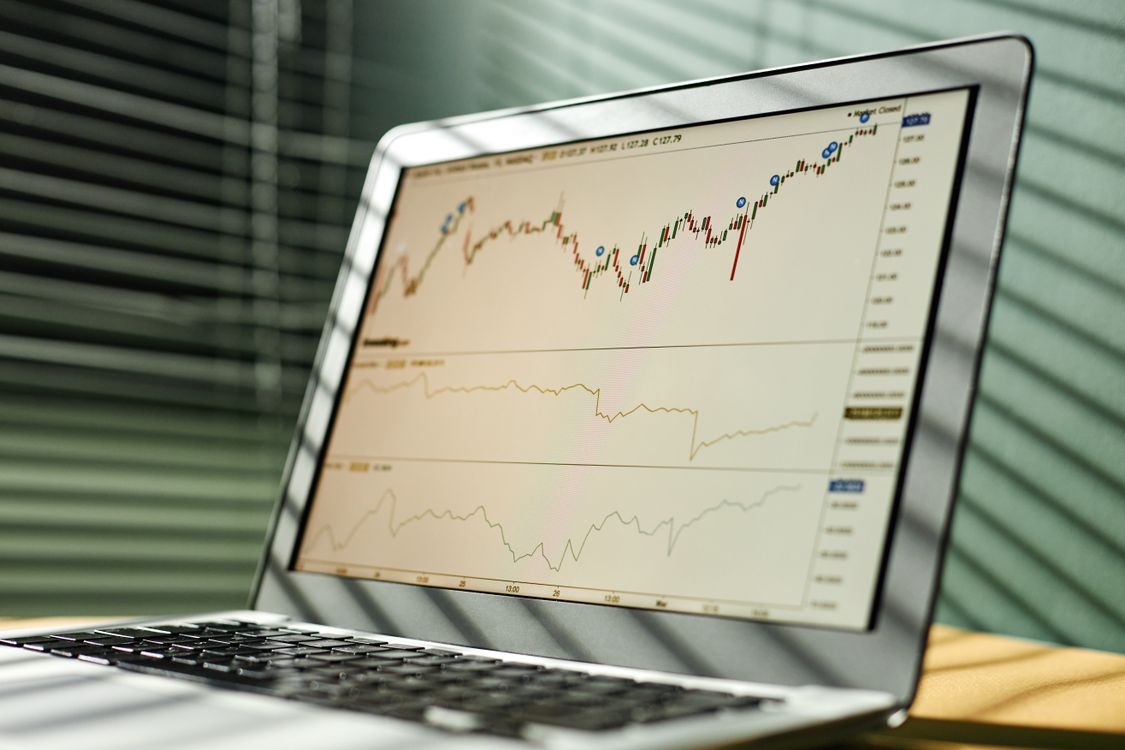
Then came the part nobody wants to talk about, the crash. By late June, gold had retreated below $4,000, and the lowest LBMA fix of the year was $3,993.55 on July 16. That is a drop of more than 26 percent from the January record, a genuine bear market in an asset famous for its safety. Imagine buying near the top of the year because every headline told you the world was falling apart, then watching a quarter of your money evaporate in five months. That is not a fear trade. That is just fear.
So who was selling? And more importantly, who kept buying through the whole mess? The answer to the second question is what makes this story remarkable. It was not retail investors. It was the central banks of the world.
The official sector is the whole story of gold in 2026, and the numbers are startling. The World Gold Council reported net central bank purchases of 288.9 tonnes in the second quarter, a 62 percent increase year over year and the strongest second quarter it has on record, according to JewelersTrend’s summary. Poland, China, Uzbekistan, Kazakhstan, and the Czech Republic ranked among the largest buyers. In June, purchases accelerated to a 100-tonne monthly pace on a three-month seasonally adjusted basis, up from 66 tonnes the prior month, while Goldman Sachs Research models an average of just 50 tonnes a month across all of 2026. June doubled the trend. Even the Chinese numbers may understate reality: Goldman’s nowcast estimates China is buying roughly 75 percent more bullion in July than official reports disclose.
Why are central banks buying with both hands? The answer traces back to 2022, when Western sanctions froze roughly half of Russia’s official foreign currency reserves. That moment taught every central bank in the world the same lesson: dollar reserves held abroad can be taken away with the stroke of a pen, but gold sitting in your own vault cannot. Annual net central bank purchases have exceeded 1,000 metric tons each year since 2022, Reuters reported, about twice the annual average of 457 tons in 2016 through 2021. Official buyers now contribute roughly 23 percent of total annual gold demand, double their share in the 2010s. This is not a trade. It is a structural rewiring of the world’s reserve system, and it is playing out in your neighborhood jewelry store’s pricing as surely as in Frankfurt vaults.
Here is where 2026 gets really interesting, because two forces collided. The central bank bid pushed gold back up through August and early September, to a September lower high near $4,467. But then the bond market crashed the party. The 10-year Treasury yield surged to 5.225 percent on September 24, its highest since 2007, and the 10-year real yield reached 2.85 percent, its highest since November 2008, Respect Investment’s data shows. Gold pays no coupon and no dividend, so when safe bonds pay you more and more in real terms, holding gold gets more and more expensive. The metal sank back to about $4,311 by Friday, down 1.5 percent on the week, TradingNews reported.
So what happens next? Wall Street’s best-known gold bulls are not backing down. Goldman Sachs Research now forecasts gold reaching $4,900 an ounce by the end of 2026, built on continued central bank buying of about 50 tonnes a month plus a recovery in private investor ETF demand, Gold Eagle reported on the Goldman note. But Goldman also laid out the bear case with unusual honesty: if the Fed resumes hiking and rate expectations climb again, ETF holders could sell into higher rates, call-option hedging could unwind, and gold could end the year near $4,440, materially below the base case, cushioned only by the central bank bid that never really left.
That tension is the whole lesson of 2026. Gold is being pulled in two directions at once: the slow, powerful structural force of central banks diversifying away from the dollar, and the fast, twitchy cyclical force of bond yields telling investors that cash is finally paying again. When the central banks win, gold rises toward $4,900. When the bond market wins, it slides back toward $4,400.
My take, labeled as such: ordinary savers should read gold’s 2026 not as a buy or sell signal but as a mirror. The central banks buying gold are hedging against the same risks you feel when you look at your grocery bill or your mortgage statement: the fear that the money system you rely on is less stable than it used to be. Gold’s job in a portfolio was never to make you rich. Its job is to hold still when everything else is moving, and in a year when it went from $5,500 to $4,000 and back to $4,300, it proved that even the steadiest assets can take you on a wild ride. The drawer of coins is not a bad idea. Just do not buy the drawer at the top.