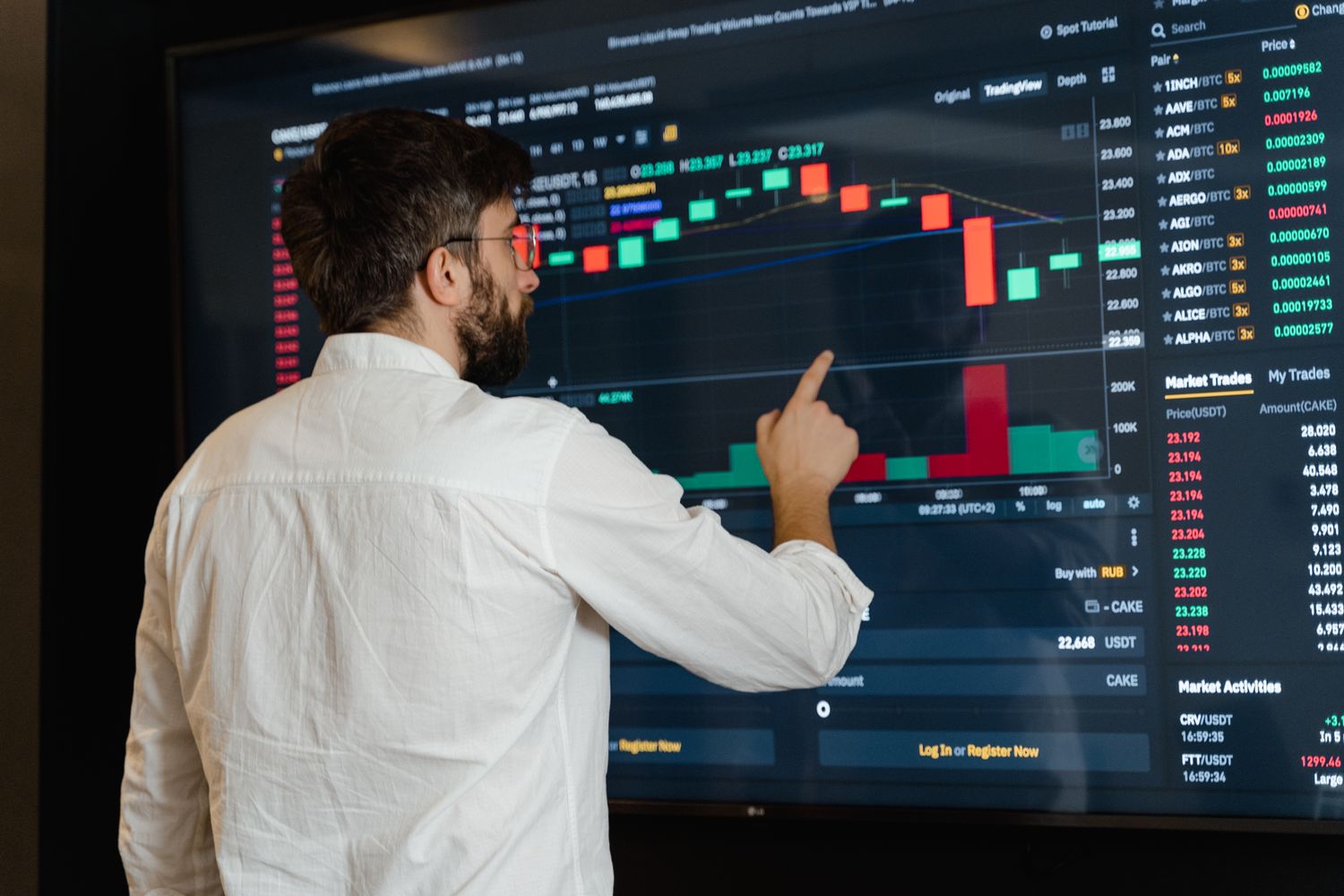
There is a number buried in Tuesday’s market news that deserves more attention than the Dow’s 131-point drop. A key measure of U.S. consumer confidence unexpectedly plunged in September to its lowest level since 2014, Investopedia reported. Let that settle for a moment. Not since the aftermath of the financial crisis recovery, twelve years ago, have Americans felt this bad about where the economy is headed.
Think about what has happened in those twelve years. We have lived through a pandemic, supply chain chaos, inflation hitting 40-year highs, and an entire cycle of rate hikes. And this September, right now, with unemployment low and wages still growing, is when Americans told surveyors they feel worse than at any point since 2014.
This is worth sitting with, because it is not just a number. Confidence is one of the few economic indicators that is purely human. It does not measure what people spent or earned. It measures how they feel, and feelings drive decisions. The person who believes a recession is coming does not buy the car, does not book the vacation, does not start the business. Confidence is the economy’s self-fulfilling rumor mill.
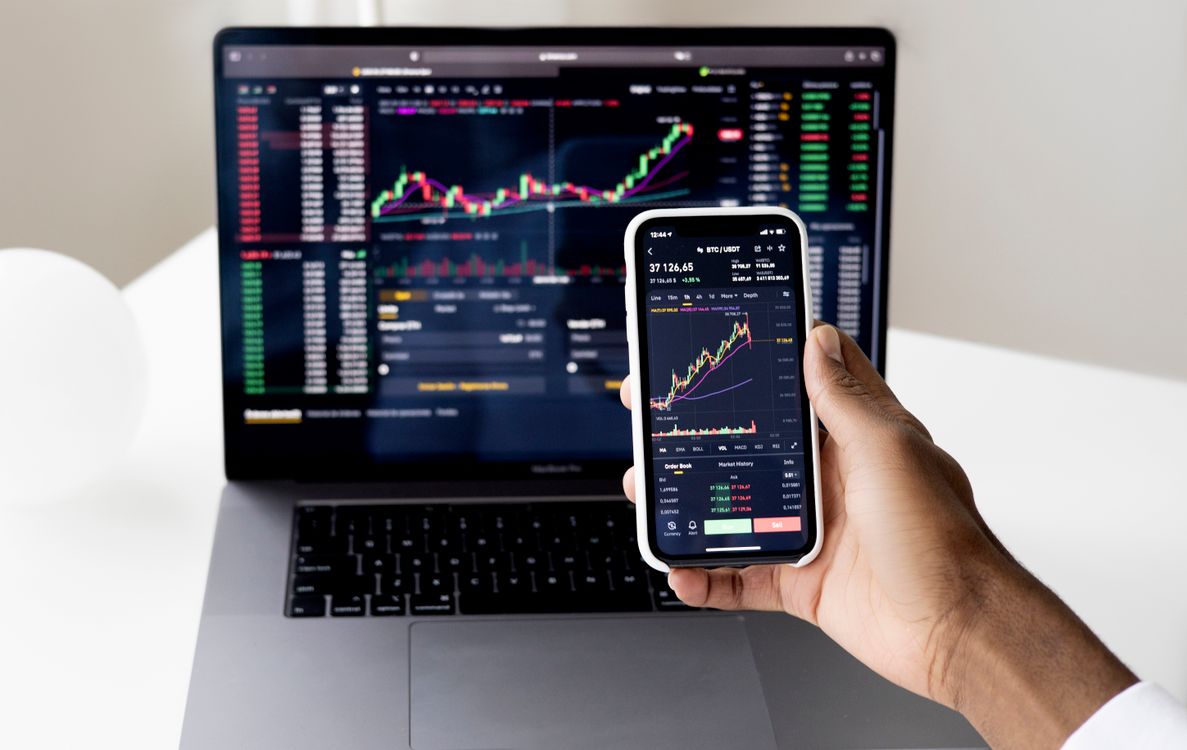
So what broke it? The data released alongside the confidence number points a finger at the job market. Tuesday also brought the latest Job Openings and Labor Turnover Survey, and both readings landed soft, Barron’s reported. When Americans tell pollsters they are pessimistic about jobs, that is the wound underneath. You can watch the stock market from your phone, but you live inside your paycheck, and the paycheck feels shakier than it has in years. The cruel irony is that the official numbers still show a labor market that economists would describe as solid. But confidence is not a spreadsheet. It is a gut, and the gut is uneasy.
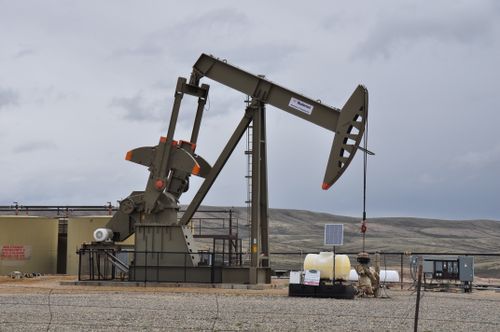
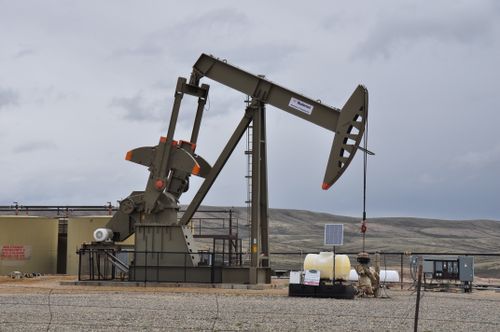
Then there is the price of getting through the day. Diesel fuel was near a record high of $6.53 a gallon, up an eye-popping 70% since the start of the Middle East conflict, according to David Rosenberg of Rosenberg Research, Barron’s reported. Diesel is the tax you never voted on. It rides inside every gallon of milk, every Amazon box, every tank of heating oil. Gasoline prices have been beating Americans at the pump all September, Investopedia noted. When the cost of simply moving around jumps 70%, people do not need a PhD in economics to feel poorer. They feel it every time they fill up.
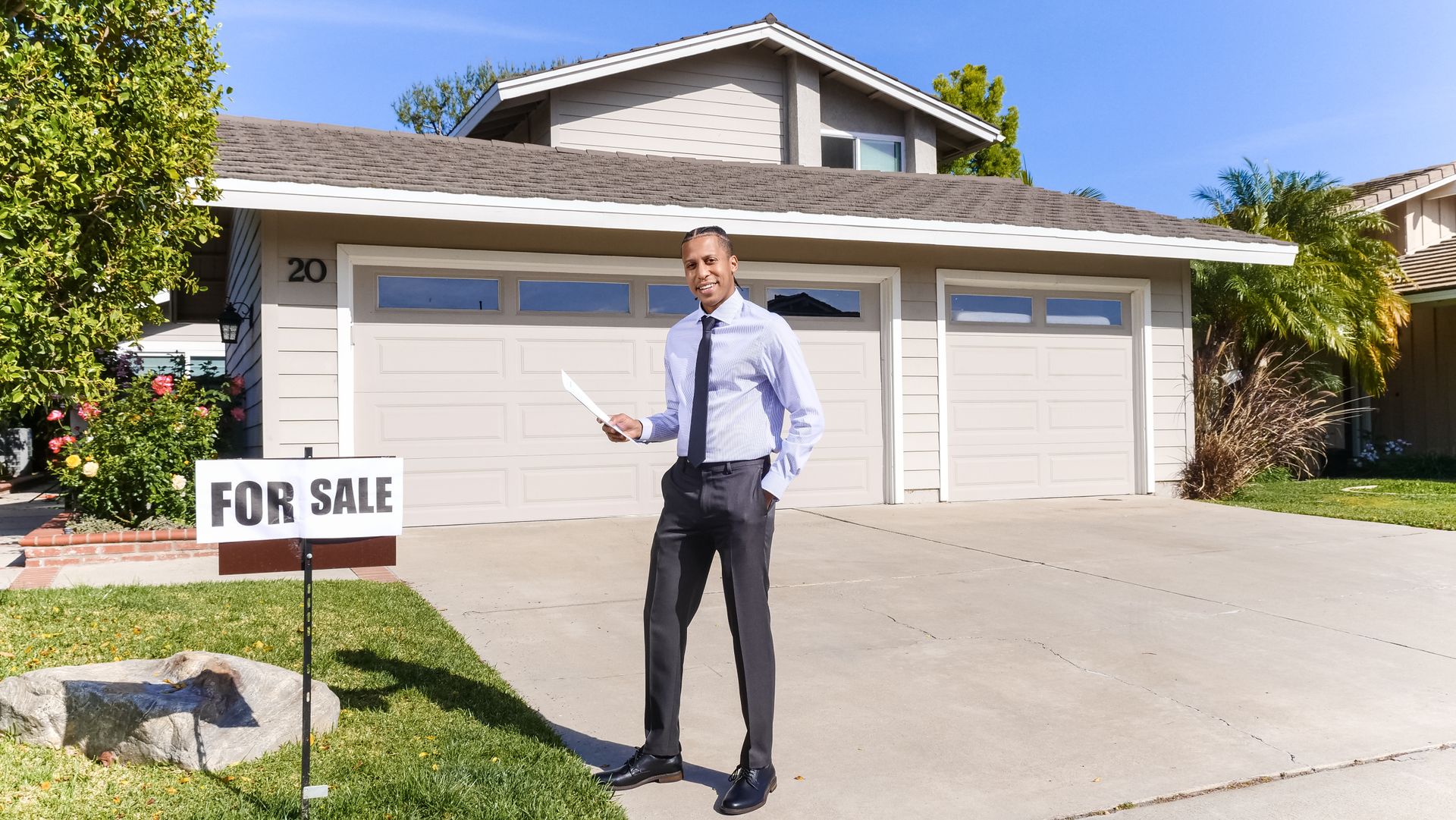
Layer on the mortgage market, and the picture gets heavier. The 30-year Treasury yield closed Tuesday at 5.59%, its highest since June 10, 2002, Barron’s reported. That yield is the anchor for 30-year mortgage rates, which sit around 7%. For anyone dreaming of buying a home, the math has gone from difficult to discouraging. For anyone who already owns one, moving means giving up a cheap old mortgage for an expensive new one, so they stay put. The housing ladder’s lower rungs are missing, and renters can feel it too.
And looming over all of it is the Federal Reserve, hiking rates for the first time in three years and talking about more. When New York Fed President John Williams suggested Tuesday that the central bank does not have to be urgent, markets rallied hard. But consider what that rally revealed: investors are so on edge about rate hikes that a single speech moved October odds by nearly 20 points. The confidence survey suggests ordinary Americans are living that same anxiety without a Bloomberg terminal. Every headline about rate hikes reads, to a family, as “your credit card bill, your car loan, your mortgage is about to cost more.”
Here is the twist, though, and it matters. While Americans told surveyors they feel terrible, their actual behavior told a different story. CarMax reported adjusted earnings of $1.16 per share, far above Wall Street’s 73-cent estimate, with revenue up 20% to $7.9 billion and unit sales up 15% to 387,735 vehicles, Zacks reported. Carnival, the cruise company, beat expectations with $1.43 in earnings per share against a $1.35 consensus, MarketBeat reported. Cruise stocks were among the top S&P 500 gainers on Tuesday, Investopedia noted. People are buying used cars and booking cruises while telling pollsters they are miserable. That gap between what we say and what we spend is one of the strangest features of this economy.
My take, and I want to label it as mine: that gap is the whole story. Americans are not lying on either count. They are worried about the future and spending in the present, because the present is the part they control. The car they need now, the trip they have postponed for years, those get bought. The retirement they worry about later stays worried about. Confidence measures the fear. Spending measures the necessity. Right now, necessity is winning, and that is both reassuring and fragile. If the job market ever confirms the fear, spending follows, and then the soft landing becomes something harder.
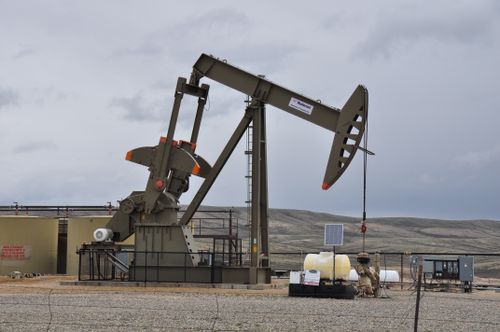
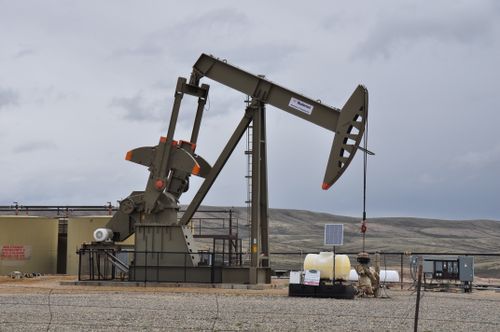
There is a gentler read, and it is worth hearing too. Confidence plunging while spending holds up has happened before, and sometimes the mood catches back up to reality instead of reality sinking to the mood. Oil fell sharply Tuesday as Saudi Arabia ramped exports through its East-West pipeline, with WTI down 3.6% to $89.25, Investopedia reported. If energy keeps easing and the Fed keeps its hand off the rate lever in October, the two biggest weights on the American gut get lighter. Feelings follow facts, eventually.
Tomorrow brings the August PCE inflation report, and Friday brings the September jobs report. Both will test whether the confidence collapse is a warning or just a mood. If inflation is cooling and hiring holds, this September may be remembered as the month Americans felt the worst and spent anyway. If not, the gut knew first. Either way, listen to people when they tell you how they feel. They are usually right about their own lives before the economists are.