
Just last week, the Federal Reserve raised interest rates for the first time since 2023 (USA Today). Read that again and let it sit. After years of cuts, holds, and debates about how much stimulus to remove, the central bank is now actively tightening again. And the market believes it is just getting started.
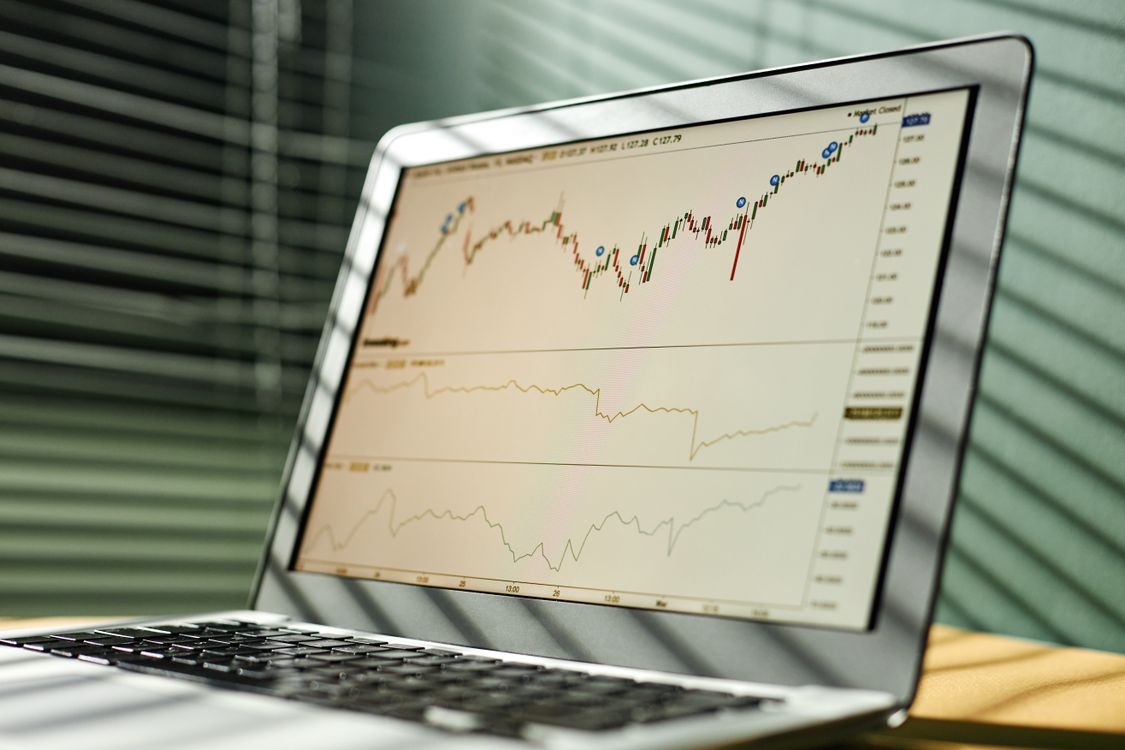
Fed funds futures are pricing a 66% chance of another hike at the October 27-28 meeting, and about 90 basis points of total tightening ahead, with any chance of a rate cut priced out entirely until mid-2028, Reuters reported. The 2-year Treasury yield is up 55 basis points this month alone. The 30-year has climbed 25 basis points in September, most of it in the term premium, the extra compensation investors demand for holding long debt in an uncertain world.
This is the story of how we got here, and what it asks of everyone trying to plan a financial life inside it.
The hinge moment was the September 16 meeting, Fed Chair Kevin Warsh’s first real test. At his press conference, Warsh said the unemployment rate, at 4.1% in August, was “basically running consistent with full employment,” and added, “I don’t believe that we need to do harm to the labor markets to achieve our [inflation] objective,” according to the Yardeni Research economic week ahead note. That is a chair trying to have it both ways: inflation must come down, but jobs should not have to break to get there.
Richmond Fed President Tom Barkin made the hawks’ case more bluntly on September 24. “If inflation is not going to come down relatively quickly, then you have to look in the mirror and say inflation looks like it’s been here for a while. So maybe we should do something about it,” Barkin said, adding, “I think that’s what happened [at the September FOMC meeting],” according to a weekly preview. Translation: the hike was not a close call. It was an acknowledgment.
Underneath the rate decision sits a deeper repricing of where rates settle in the long run. Vice Chair for Supervision Michelle Bowman said last week that the neutral rate, the interest rate that neither stimulates nor restrains the economy, is “higher now than where it was before the pandemic,” putting her median estimate at 3%, FXStreet reported. The 30-year yield’s September climb, most of it in the term premium, is effectively the bond market agreeing with her: this is a return to something like the 1990s normal, as Reuters put it, before the 2008 crisis taught the world to expect permanently cheap money.
The numbers that forced the pivot tell their own story. Payrolls rose 162,000 in August, lifting the three-month average to 71,300, with private payrolls contributing 127,000 of the gain, led by leisure and hospitality and goods-producing industries, according to Yardeni Research. That is not a labor market crying out for rescue. It is a labor market the Fed chair himself calls consistent with full employment. Economists expect Friday’s September report to show roughly 98,000 new jobs with unemployment holding at 4.1%, FXEmpire reported, which would keep the hiking logic intact.
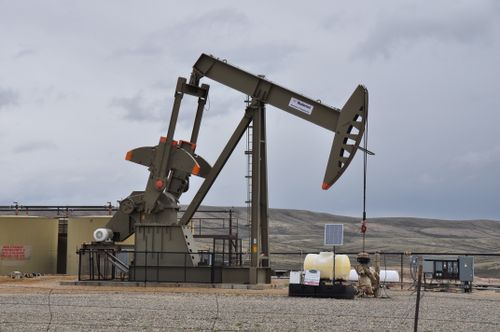
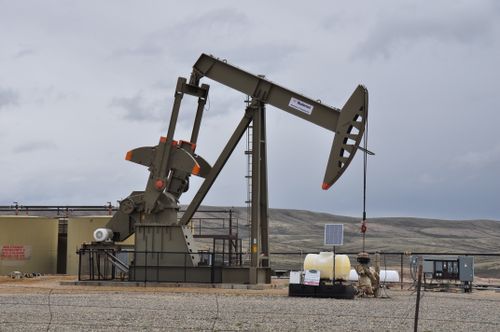
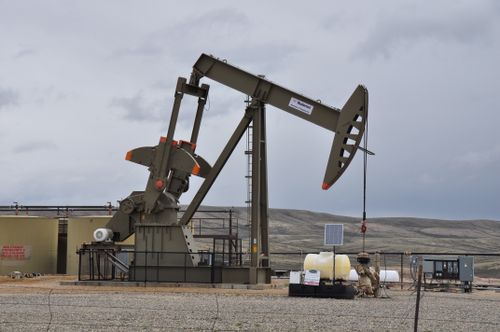
And oil is the accelerant nobody asked for. With Brent back above $100 after the president rejected Iran’s terms for reopening the Strait of Hormuz, energy is bleeding into shipping costs, diesel prices, and inflation expectations. Jefferies economist Mohit Kumar captured the mood in a note quoted by the Wall Street Journal: “We believe that we are in a one factor world with oil driving rates and rates driving all asset classes.” LSEG data cited by Reuters shows the 60-day rolling correlation between oil prices and Wall Street futures at its highest since late May (Reuters).
Europe is watching the same movie from a different seat. ECB President Christine Lagarde struck a dovish note on Monday, saying, “While growth has been resilient, since the last ECB meeting, long-term interest rates have risen notably, which will slow growth and reduce pass-through by more than projected in our September exercise,” Barchart reported. Markets are discounting a 37% chance of a quarter-point ECB rate hike at the October 29 meeting. Same global forces, different policy instincts.
So what are the lessons for the rest of us?
First, the era of waiting out rate moves may be over. If the neutral rate really is higher than it was before the pandemic, and the term premium keeps rising, then elevated borrowing costs are not a spike to endure but a landscape to navigate. The 30-year mortgage averaged 7.03% in Freddie Mac’s latest survey (Freddie Mac). Anyone timing a purchase around a return to 2021 rates is timing around a world that may not come back.
Second, one factor really can drive everything. When oil pushes yields, yields push stocks, and stocks push crypto, diversification stops working the way the brochure promised. The smart move in a one-factor world is humility about correlations: own some things that do not care about oil, and keep some dry powder.
Third, the data calendar is now the policy calendar. Core PCE, the Fed’s preferred inflation gauge, lands Wednesday. ADP employment and the Q2 GDP final print arrive the same day. The September jobs report hits Friday. In a regime where the Fed has openly returned to hiking, every one of these releases is a potential pivot point, and the market will move on surprises in both directions.
Here is my honest take. The most underappreciated fact in this whole story is that markets have priced out any rate cut until mid-2028. That is not a forecast of a few bad months. It is a declaration that the easy-money regime of the last decade-plus is over, and that everyone, from homebuyers to corporate treasurers to the federal government itself, now has to live inside arithmetic that the 1990s would recognize. The Fed is hiking again. The real question is not whether the next hike comes in October. It is whether we are ready to stop waiting for the old world to return.