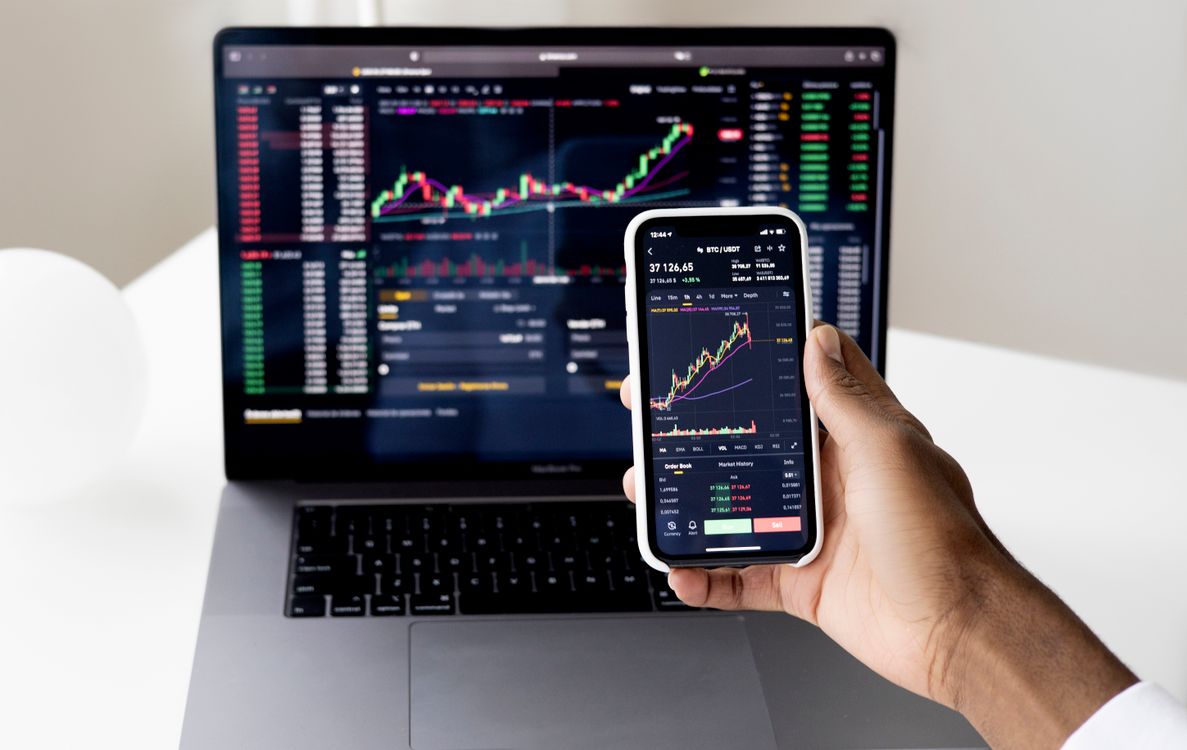
Three years ago, the Federal Reserve last raised interest rates. Last Wednesday, it did it again. The quarter-point increase, unanimous, lifted the federal funds target range to 3.75% to 4%, and it marked something the market had not had to price in for a very long time: a new tightening cycle, Dividend.com reported.
Markets had seen it coming. Fed Chair Kevin Warsh’s hawkish speech at Jackson Hole in late August shifted expectations quickly, and by the time the committee met, futures markets were pricing in a very high probability of a hike. In its statement, the Fed pointed to inflation that remains elevated, and at his press conference Warsh said the committee needs to be confident underlying inflation is moving toward its 2% goal at a sufficient pace, a standard he said had not been met.
The more important signal is what officials expect next. In the updated projections, 12 participants saw one more quarter-point hike before the end of this year, four saw two more, and only two expected rates to stay where they are. The median projection now puts the fed funds rate at about 4.1% by year-end. Warsh himself declined to submit his own forecast. Officials also nudged up their inflation outlook, with the median projection for core PCE inflation at 3.4% by the end of 2026, compared with the most recent reading of 3.3% for July.
If you are keeping score at home, this is the story of 2026 in one paragraph: inflation came down, stalled, and now refuses to finish the trip. The core PCE measure, the Fed’s preferred gauge, sits at 3.3% for July against a 2% target, and officials now expect 3.4% by year-end. That gap is why Fed Governor Michael Barr said Tuesday that the AI investment boom and high energy prices have “knocked” the central bank “off course,” and why he believes further policy adjustments are likely, Reuters reported.
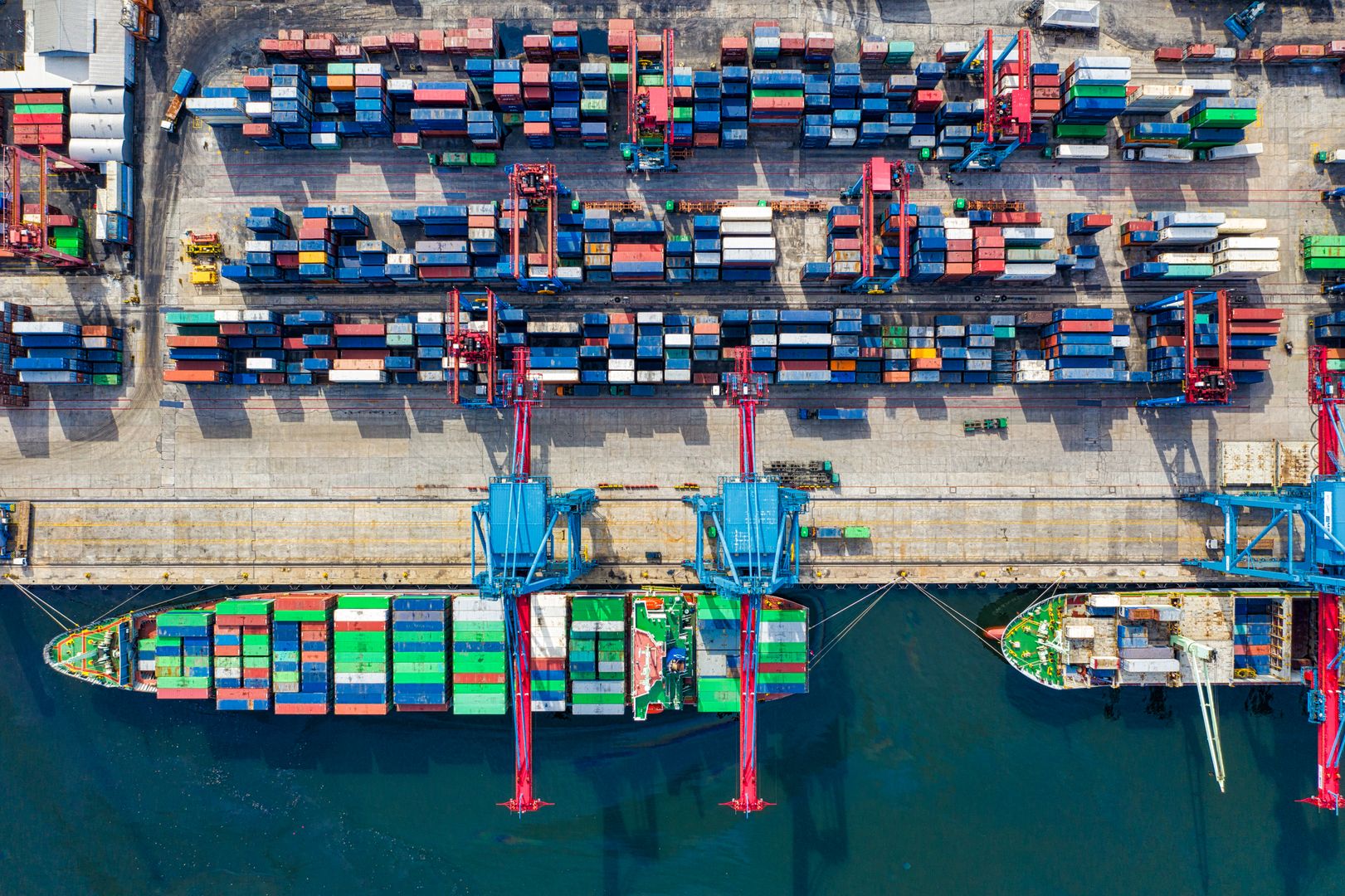
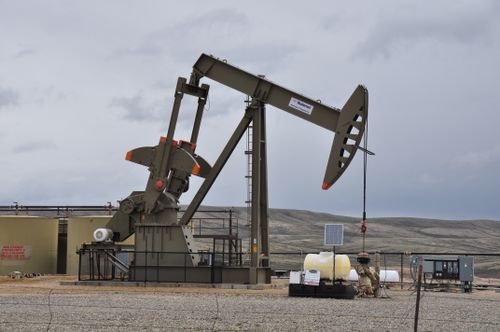
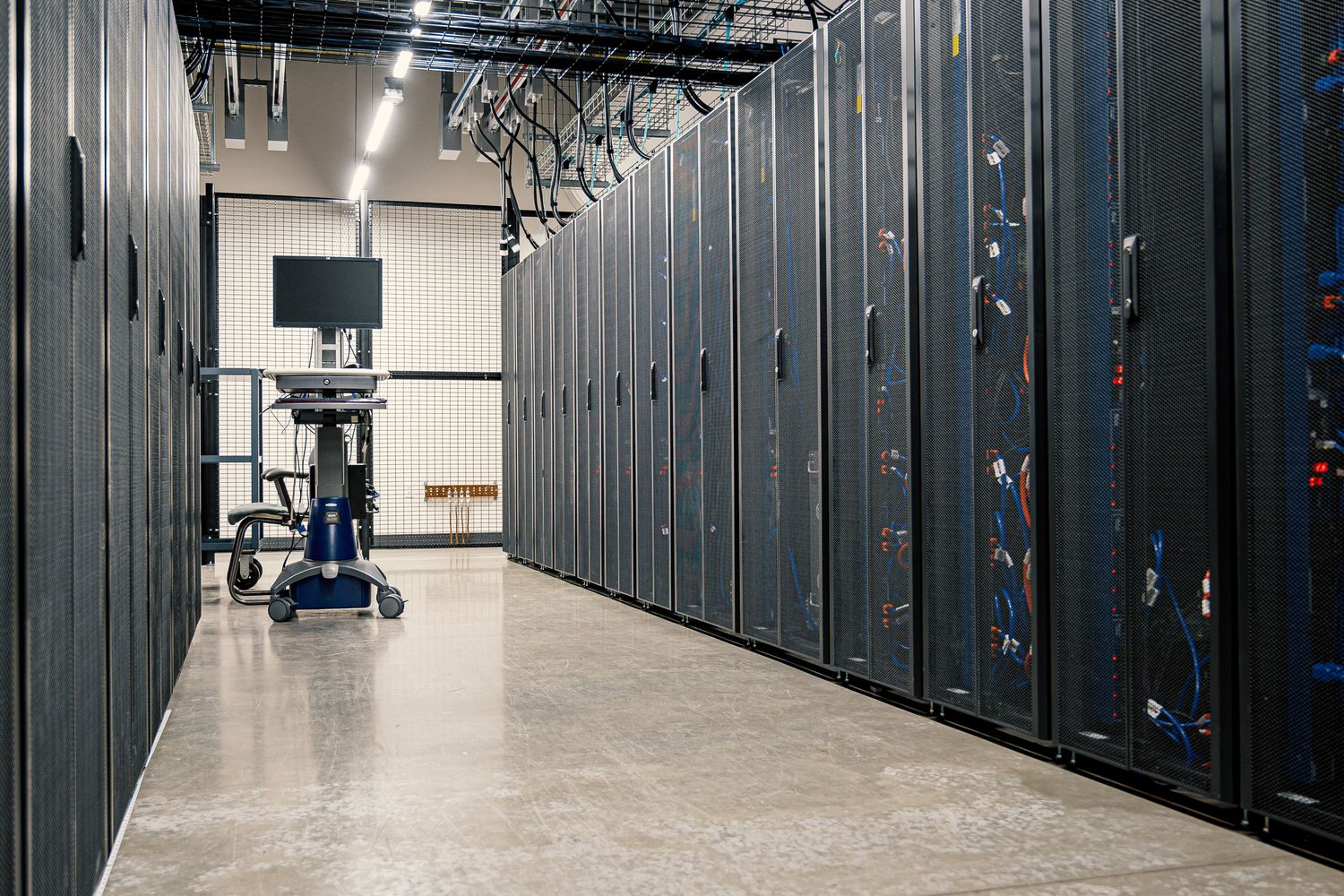
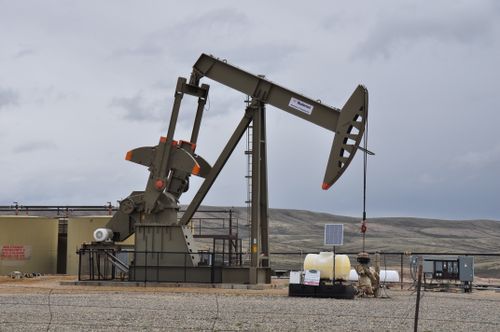
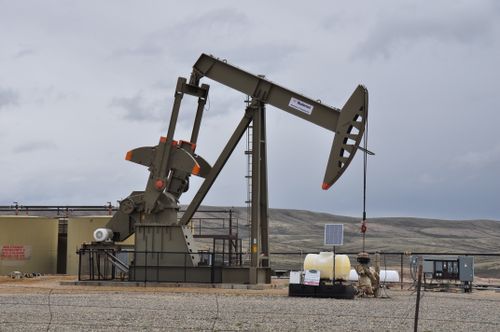
Let us get concrete about why the Fed got pushed back into the ring. Three forces are doing the pushing. First, energy. The conflict in the Middle East has driven up global oil prices, and that cost flows straight into gasoline, shipping, and food. Second, AI. The buildout is boosting demand for chips and related equipment in a way that is, in Barr’s words, having a measurable effect on prices. Third, government borrowing. Mohamed El-Erian told CNBC he expects the 10-year yield to stay around 5% even if the war is settled and oil falls, because the supply-and-demand imbalance in bonds will not go away: Germany’s finance agency expects federal borrowing to hit a record 525.5 billion euros in 2026, and heavy borrowing is a global story, Wealth Professional reported.
Now, what does a tightening cycle actually change for you? It plays out over months, and it shows up differently depending on what you own.
Start with cash. This is the one genuinely good part. Higher policy rates push up what banks pay on savings accounts and money market funds. If you have been keeping your emergency fund in a checking account earning almost nothing, this is your invitation to move it. A high-yield savings account in a rising-rate world is the closest thing finance has to a free lunch, and it requires no expertise, just a transfer.
Next, borrowing. This is the painful part. The Fed’s hikes feed into credit card rates, auto loans, and home equity lines quickly. The 30-year mortgage, which follows the long bond more than the Fed, already sits around 7%, and Tuesday’s 30-year Treasury touch of 5.612%, its highest since 2002, keeps that floor in place. If you carry variable-rate debt, every hike is a bill getting bigger. The math is unsentimental: pay down high-rate balances before anything else.
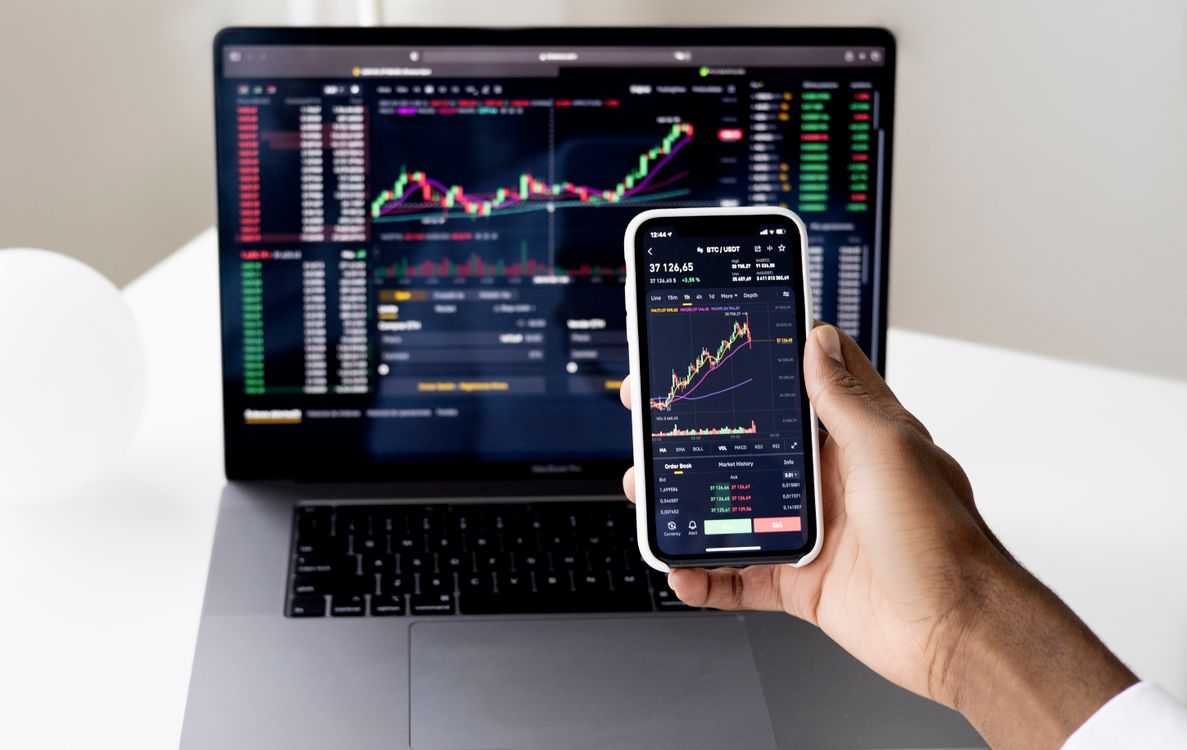
Then stocks. Stocks shrugged off the hike faster than many expected. After a volatile week, the S&P 500 jumped about 1.5% on Monday and the Nasdaq Composite closed at a record high for the first time since June, helped by a rally in chip stocks and a drop in oil prices. But Barr’s remarks Tuesday show why the calm may not last: when the long bond keeps climbing, future earnings are worth less today, and growth stocks, the ones priced on profits years out, feel it first.
There is a lesson in the history here. The Fed’s last hiking campaign, from 2022 to 2023, was one of the fastest in modern memory, and plenty of smart people predicted a recession. The recession never quite arrived, but the rate pressure did its work slowly: housing froze up, small businesses squeezed, credit tightened. This cycle starts from a better place than that one, inflation is half of what it was, and the labor market is solid. But the risk Barr named is new: an economy being simultaneously lifted and heated by the largest capital expenditure boom in a generation.
For your own planning, the posture is simple and old-fashioned. Lock in the wins you control: park cash where it earns, kill high-rate debt, and keep contributing to retirement accounts on schedule because timing rate cycles is a game even professionals lose. What you should not do is treat the Fed’s path as a trade. The median projection says 4.1% by year-end, but the last two years taught us that projections are just the committee’s best guess, written in pencil.
The honest truth is that nobody at the Fed is happy to be here. Raising rates into an economy powered by an investment boom is like tapping the brakes on a car going uphill: necessary, but nobody enjoys it. Your job is the same as it has always been. Keep the emergency fund full, the expensive debt shrinking, and the long-term plan untouched, and let the central bankers argue about quarter points while you handle the dollars in front of you.