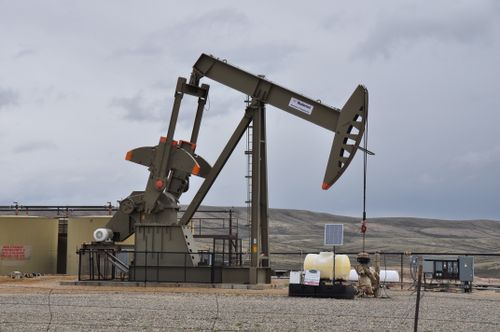
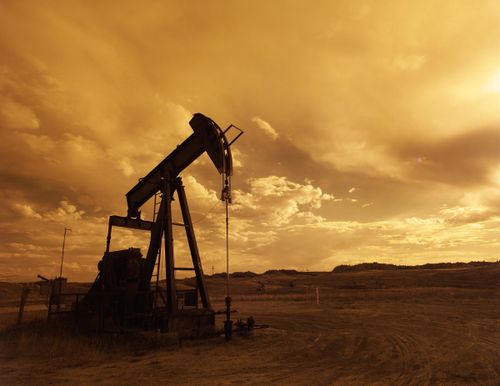
The Group of Seven nations agreed Friday to release 100 million barrels of crude oil and diesel from emergency reserves over the next four months, including a frontloaded diesel release within the first 20 days, after President Donald Trump threatened to ban U.S. diesel exports unless Europe tapped its stockpiles (USA Today) (CNN).
French President Emmanuel Macron chaired an emergency videoconference of G7 leaders Friday morning, a day after speaking with Trump about efforts to bring down diesel prices, according to a White House official. The leaders agreed to coordinate the release through the International Energy Agency and pledged that members would “refrain from export restrictions on energy and energy products between G7 countries,” while calling on all producers to avoid bans that could worsen market tensions (CNN).
“Europe has just agreed to release a massive amount of their heavily stocked Diesel Oil,” Trump wrote on Truth Social. “The process will begin immediately.” France, Germany, and Italy hold among the highest reserve levels in Europe, alongside Spain and Poland, according to the New York Post (NY Post).
The agreement followed days of escalating pressure. Treasury Secretary Scott Bessent and Energy Secretary Chris Wright both urged European countries this week to draw on their diesel stockpiles, and Trump floated the export ban as a way to keep more fuel at home ahead of November’s midterm elections. The United States is the world’s largest exporter of diesel, and a ban would have hit Europe, a net importer of the fuel, particularly hard (CNN).
Europe initially pushed back. Just hours before the deal, European Commission spokesperson Anna-Kaisa Itkonen said at a news briefing that “a ban would not be beneficial to anyone,” adding that “it would undermine our trust in the United States as a reliable partner” (USA Today).
The diesel squeeze is real and global. Russia has restricted fuel exports after Ukrainian attacks damaged parts of its refining system, the seven-month-old U.S. conflict with Iran has tightened supplies in the Gulf, China suspended most fuel exports for October to protect domestic supplies, and Europe has been more dependent on U.S. fuel since banning Russian imports after the 2022 invasion of Ukraine. Diesel is the workhorse fuel of the economy, powering trucks, tractors, freight trains, and commercial vehicles, so when diesel runs hot, the cost shows up in everything from groceries to construction (CNN) (NY Post).
Markets responded quickly. West Texas Intermediate crude fell about 2% to near $91 a barrel and Brent crude dropped 2.7% to roughly $99.50. For American drivers, relief is already trickling in: the national average for a gallon of regular gasoline stood at $4.40 Friday morning, down more than nine cents from last week, according to AAA (Investor’s Business Daily) (NY Post).
What to watch next: whether the frontloaded 20-day diesel release actually moves pump prices before the midterms, and whether Russia, China, and the Strait of Hormuz situation allow the relief to last. Tapping emergency reserves also leaves Europe thinner if supply disruptions in the Middle East or Ukraine get worse, a risk the leaders chose to accept today.