Picture a small business owner in Fresno who runs a cleaning crew. Every Friday morning, on the way to open the day’s first job, she fills her fifteen-gallon tank, and the cost comes straight out of the operating account before the first client pays. This September, the ritual broke. The number on the sign kept moving, and her budget could not keep up.
She is not a real person I interviewed. She is a composite of thousands of real owners living the same math right now. Because the math is national. A year ago the same gallon cost about 3.16. September is on track to set a new monthly record, averaging around 4.30 to 4.33 a gallon, against the old September record of 3.83 set in 2023. In California, Maria’s home state, drivers are paying 6.24 a gallon on average, the highest in the country, while even the cheapest states, Texas and Indiana, sit near 3.96.
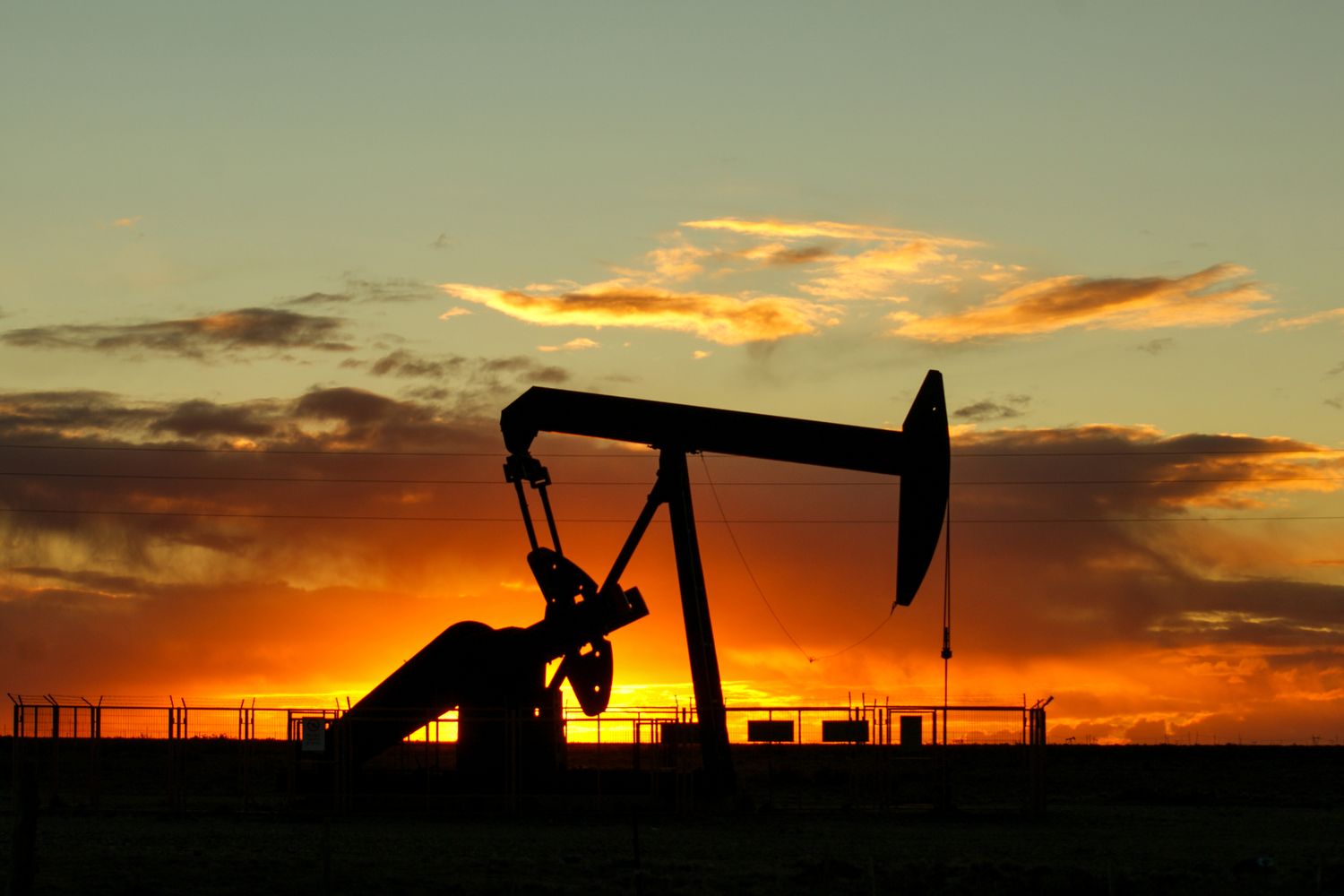
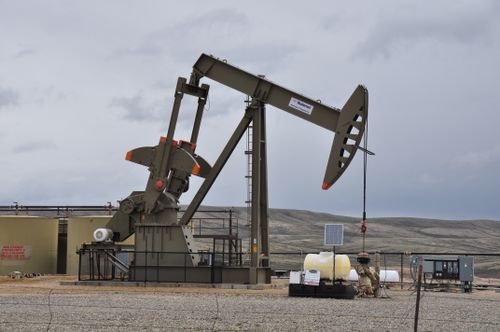
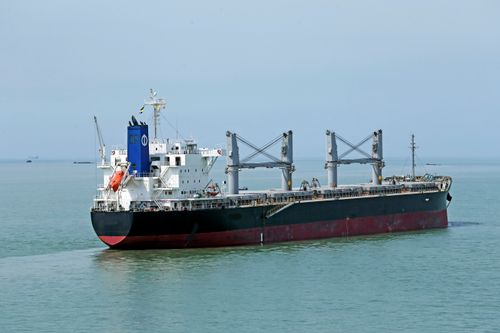
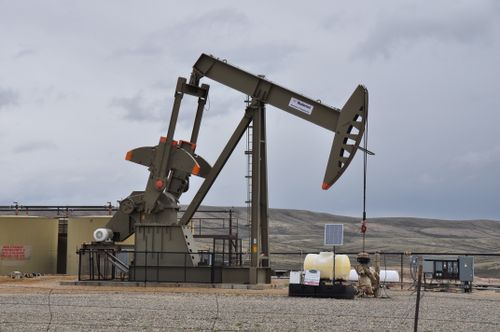
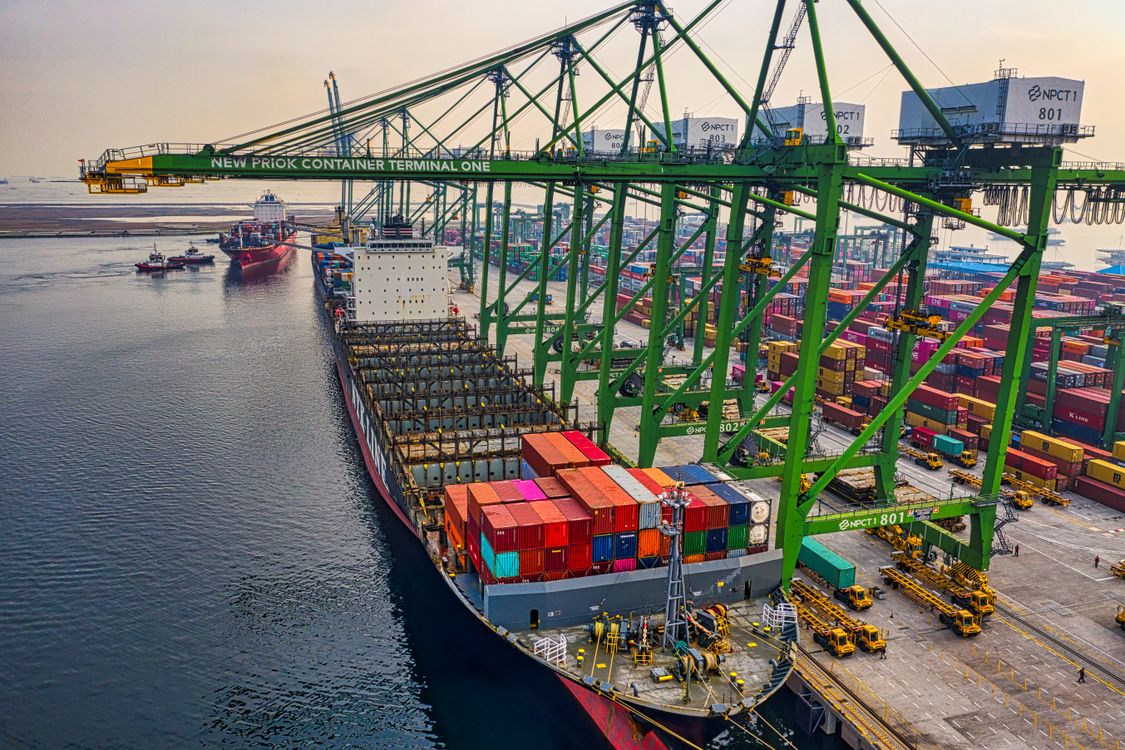
What makes this autumn different from every other price spike is the cause sitting underneath it. Brent crude futures rose 42 percent in the third quarter to 103.53 a barrel, driven by the months-long U.S.-Israeli war on Iran and volatility around the Strait of Hormuz, the narrow waterway through which a huge share of the world’s oil moves. When shipping lanes look risky, crude prices do not just drift higher, they lurch. That lurch is now living inside everything a family buys.
How a war overseas becomes your grocery bill
It helps to follow the chain, link by link, because it explains why this inflation is so stubborn and why the Federal Reserve felt forced to act.
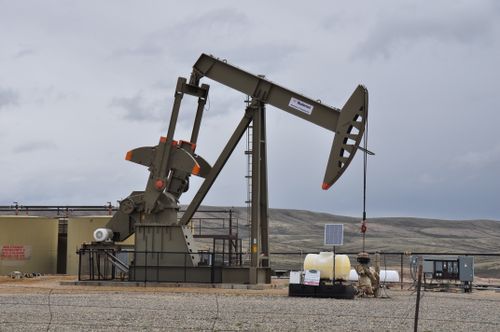
First, crude rises. Brent at 103.53 is the world benchmark; the U.S. price, West Texas Intermediate, settled near 92.16 in late September, per AAA’s reading of EIA data. Second, refining capacity is scarce. Roughly 1.2 million barrels a day of American refining capacity has closed permanently since 2019, and attacks have cut into Russian processing, so fuel prices have outrun crude itself. Third, diesel, the fuel that moves freight, hit an all-time record of 6.52 a gallon before easing slightly to around 6.45, compared with 3.68 a year ago. Everything that arrives by truck, which is nearly everything, carries that diesel surcharge inside its price tag.
You can see the result in the inflation data the Fed watches. Energy costs rose 2.1 percent in August alone, and the annual inflation rate held at 3.4 percent, according to the Bureau of Labor Statistics. That is the number that pushed the Federal Reserve to raise interest rates on September 16, the first increase in more than three years, lifting the federal funds target range to 3.75 to 4 percent. Higher oil prices fed the inflation reading; the inflation reading fed the rate hike; the rate hike is now feeding your mortgage quote. One shock, three bills.
The math of the pump
Let me put this in household terms, because percentages blur and dollars do not.
A driver filling a 15-gallon tank at the national average pays about 67 dollars today, versus about 47 dollars a year ago. That is twenty dollars a fill-up, roughly eighty a month for a weekly driver, nearly a thousand dollars a year that did not exist in last fall’s budget. In California, the same tank costs about 34 dollars more than in the cheapest states, per Visual Capitalist’s map of September AAA data.
For small business owners like her, the math is harsher. The national small-business federation has cited fuel and energy costs among the top concerns for operators all year, and the reason is simple: a cleaning crew, a landscaping truck, a delivery van. When diesel nearly doubles in eighteen months, as it effectively has, the cost lands directly on the invoice or directly on the margin. There is nowhere to hide it.
And here is the timing insult. Gas prices usually fall when autumn arrives. Refineries switch to cheaper winter blends, summer driving ends, and the national average slides. This year the seasonal script flipped: September 30’s average of 4.43 was up from 4.07 a month earlier and 3.15 a year earlier. The Hormuz volatility kept crude elevated, so the relief that normally arrives in October may not come. Economists estimate a two-to-three-week lag between a sustained crude decline and lower pump prices, which means even if oil fell tomorrow, the pump would not follow until mid-October at the earliest.
The fuel economy twist
Into this moment arrived a policy change that will shape what your next car costs you. On September 28, the Transportation Department moved to roll back federal fuel economy requirements, lowering the required fleetwide average from more than 50 miles per gallon by 2031 to just under 35 miles per gallon, under a banner the administration calls “Freedom Means Affordable Cars.”
The administration says cheaper standards will make new cars less expensive by about 1,300 dollars on average. Transportation Secretary Sean Duffy framed the old rules as an expensive mandate for electric vehicles families did not want. But the analysis from the department’s own highway safety administrators, reported by USA Today, found the rollback could cost most drivers more in fuel than they save on the sticker. With gas at 4.43 a gallon, a car that burns more fuel per mile becomes a slow leak in the family budget for a decade or more.
If you are shopping for a car this fall, this is the trade to price honestly. A cheaper sticker with worse mileage is not a bargain when fuel costs a dollar-thirty more per gallon than last year. Run the five-year fuel cost at today’s prices before you sign.
What you can actually do
I will not pretend any of this is in your control. It is not. But a few moves blunt the damage:
Recalibrate the fuel line in your budget. If you built your 2026 budget on 3.50-a-gallon gas, rebuild it on 4.50 and treat the difference as a fixed cost, not a surprise. A weekly driver needs roughly 80 to 100 dollars a month more than last year. Find it in writing, or it will be taken from somewhere else.
Check the EV math again. The national average for public EV charging held steady at 42 cents per kilowatt hour, per AAA. For many drivers, especially those with home charging, the per-mile gap between electricity and 4.48 gasoline has rarely been wider. The rollback may make gas cars cheaper to buy, but it does not make them cheaper to run.
Watch diesel if you run a business. Freight surcharges, food delivery costs, and logistics fees all rise with diesel. If you quote jobs weeks in advance, build a fuel contingency into your pricing now. A 5 percent fuel line on every invoice this quarter is not gouging; it is survival.
Do not expect the Fed to rescue the pump. The central bank raised rates precisely because energy-driven inflation stayed too high. Cheaper oil, not cheaper money, is what brings gas down. The thing to watch is the Strait of Hormuz and crude inventories, reported weekly by the Energy Information Administration, not the Fed calendar.
Back to our Fresno owner. She has started treating fuel the way she treats payroll: a fixed cost to price into every bid, not a surprise to absorb. A 5 percent fuel line on this quarter’s invoices is not gouging; it is arithmetic. The world rearranged her costs without asking. She gets to rearrange her prices in return. The rest of us, drivers and owners alike, would do well to follow her lead.