
In a single week, Argentina lived two economic stories at once. On Wednesday, the Trump administration announced it would make up to $7 billion available through the U.S. Export-Import Bank for energy, mining, and infrastructure projects in Argentina through 2027. On Thursday, the national statistics agency INDEC reported that poverty had climbed to 32.3 percent in the first half of 2026, up from 28.2 percent in the second half of 2025, with extreme poverty rising to 7.5 percent. Nearly one in three Argentines is now poor, even as Washington bets billions on the country’s future.
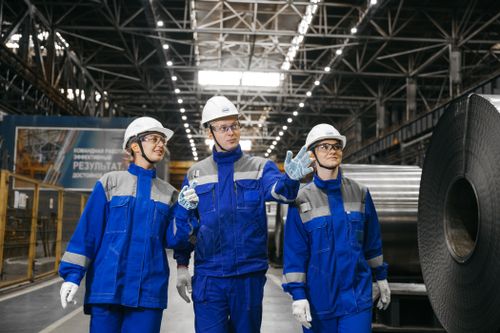
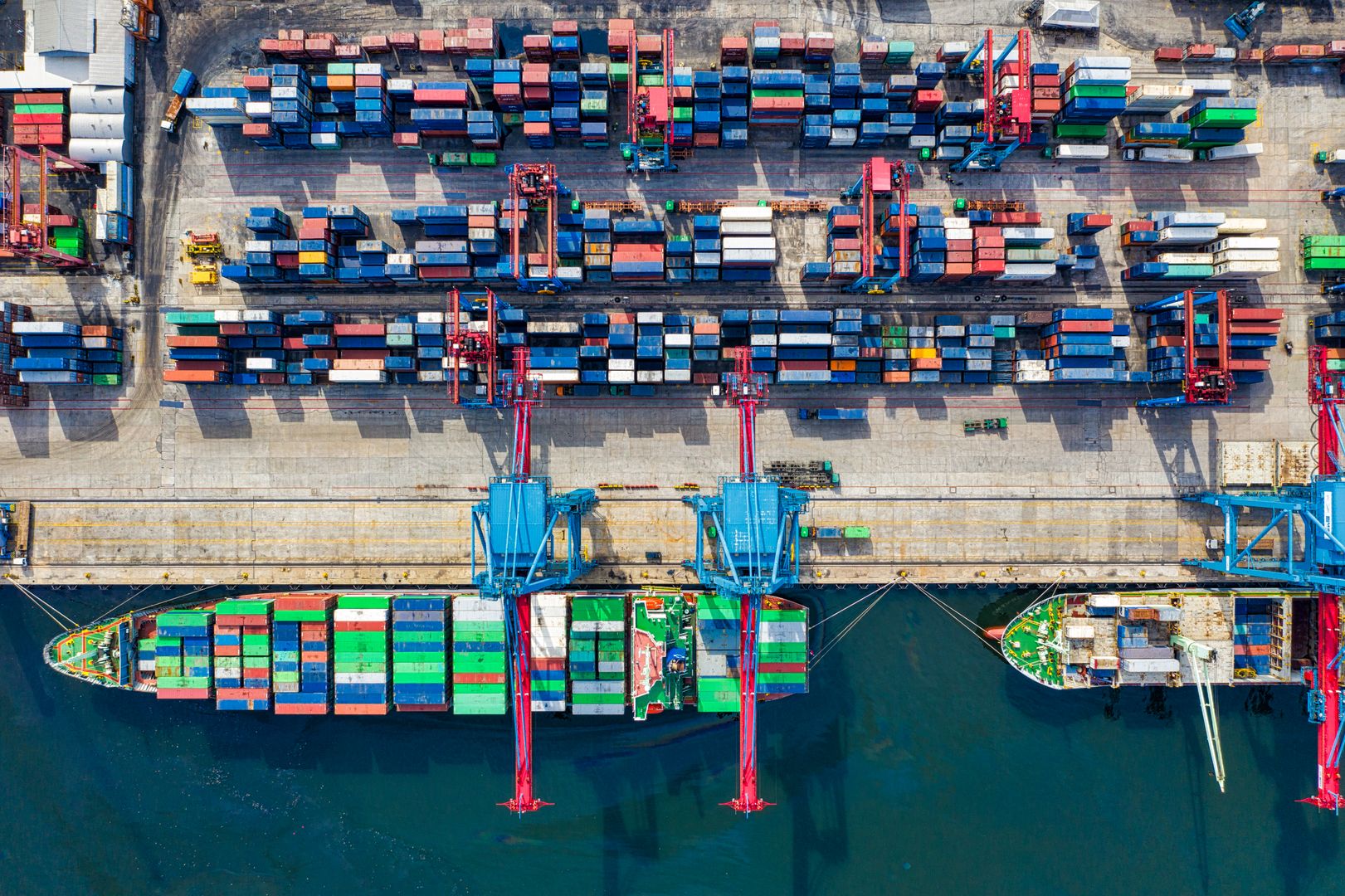
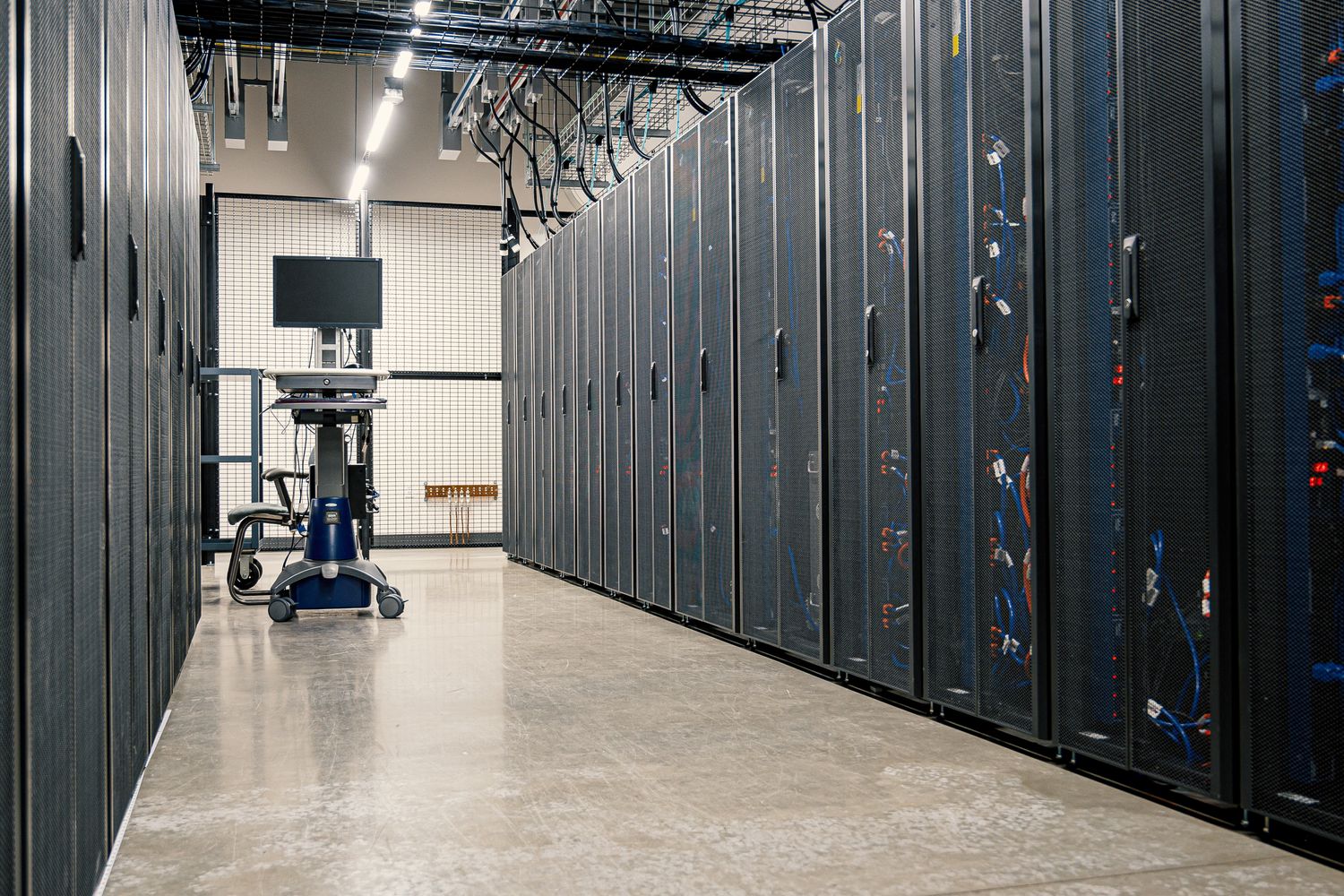
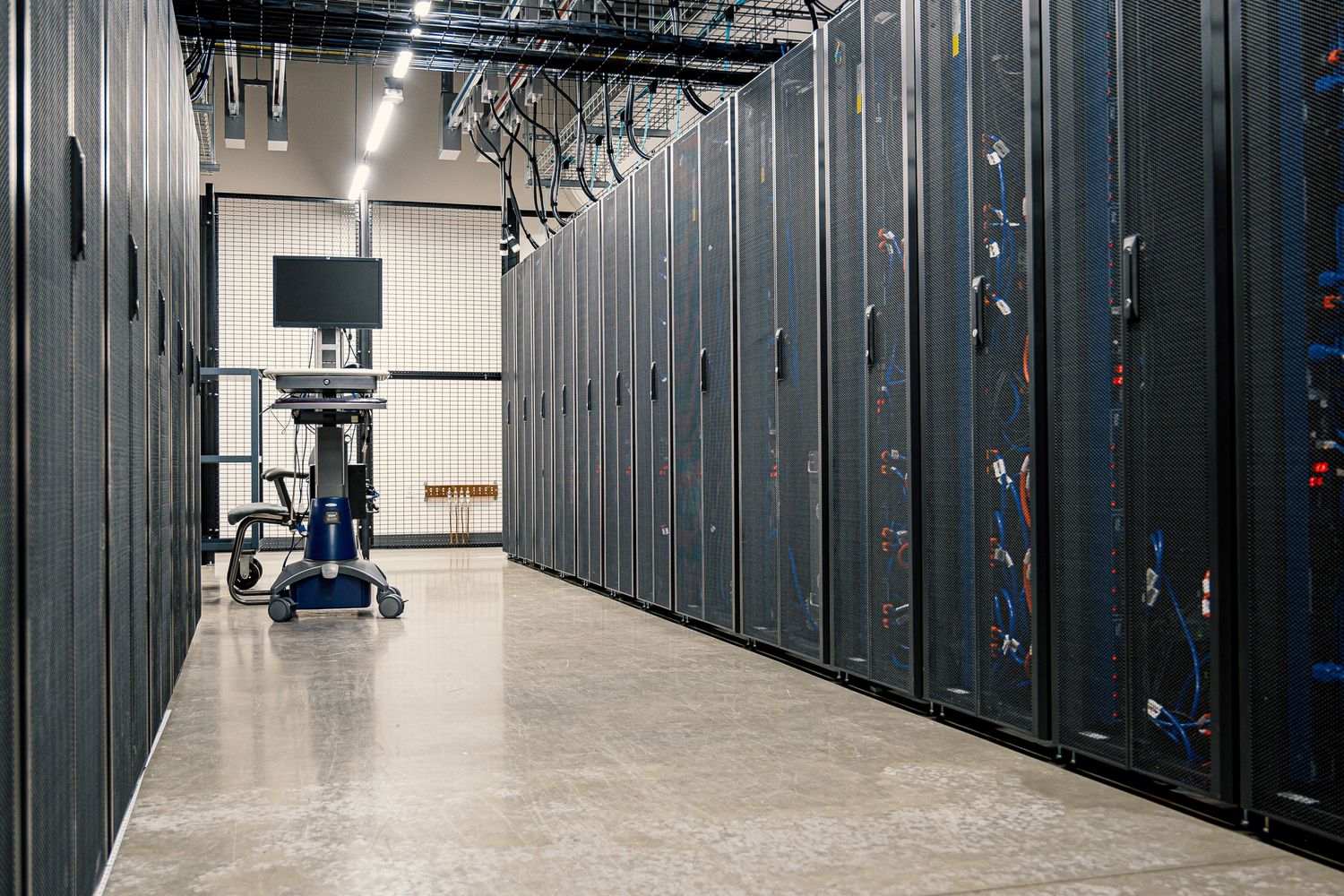
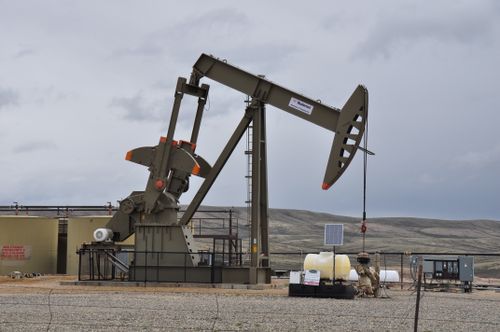
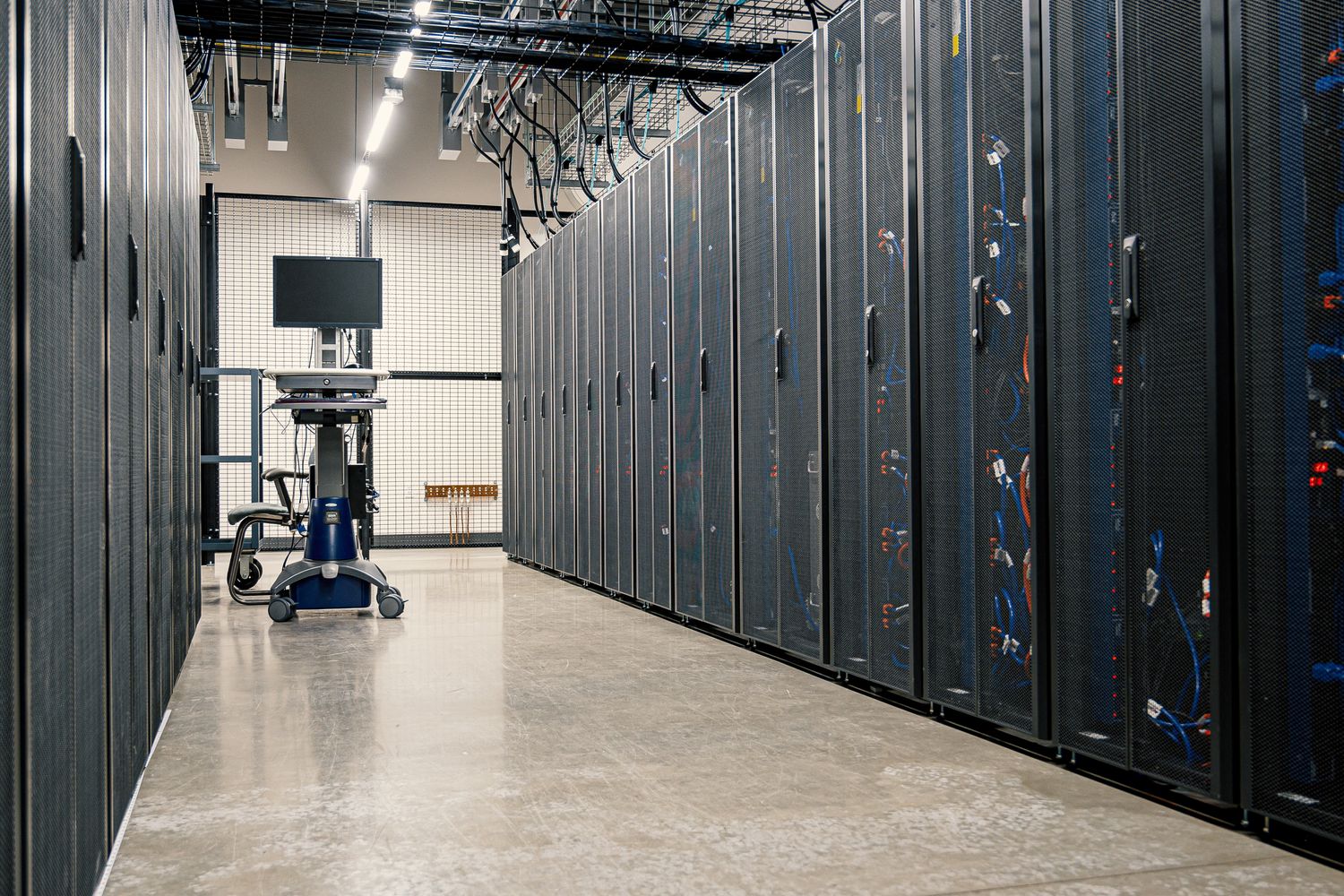
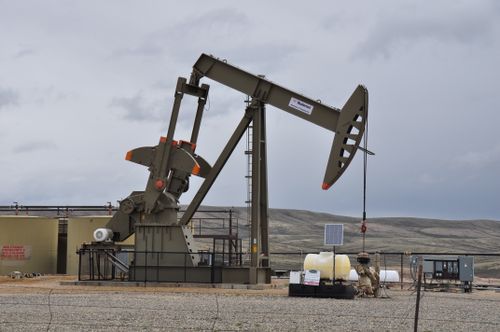
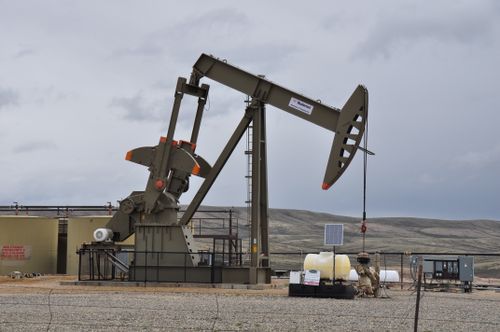
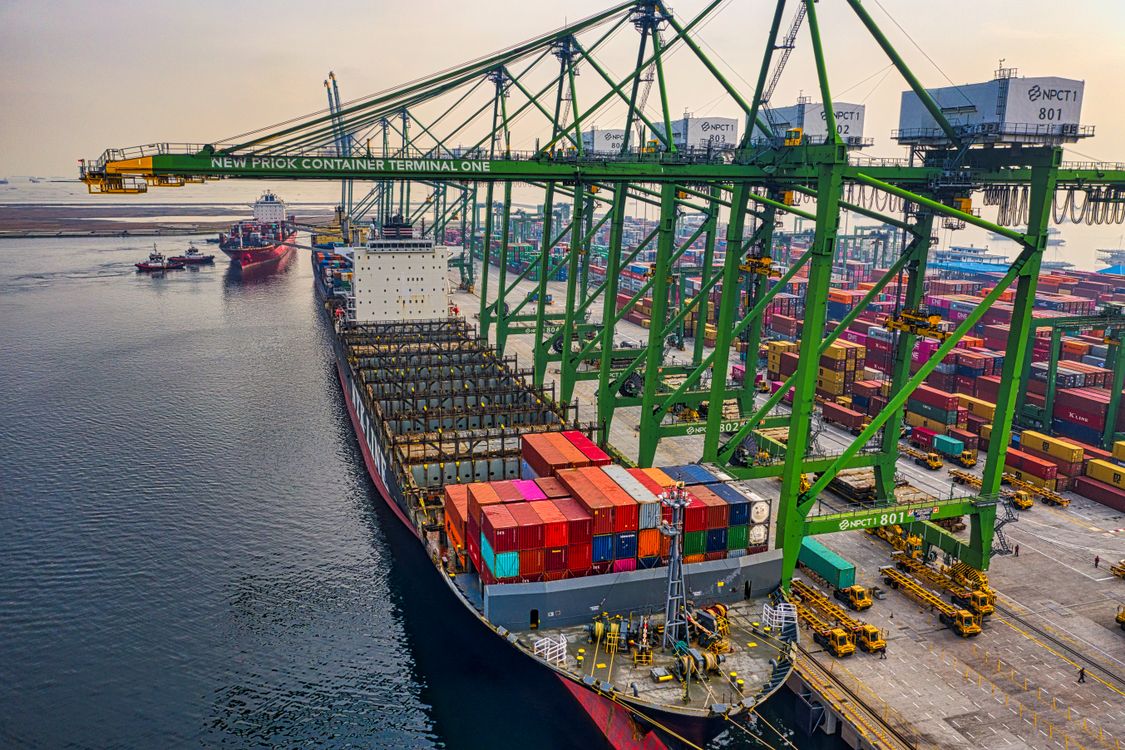
The financing deal, announced on the sidelines of the U.N. General Assembly in New York by U.S. Deputy Secretary of State Christopher Landau and Argentine Foreign Minister Pablo Quirno, is aimed at Argentina’s resource frontier. According to the Associated Press, the money would help Argentine companies buy American equipment and hire U.S. firms to expand railways, pipelines, ports, and power networks, connecting the lithium- and copper-rich northwest and the sprawling Vaca Muerta shale fields to the country’s ports. The initiative has been dubbed the Andes-Atlantic Corridor, and it is explicitly about reducing American reliance on China’s mineral processing industry.
This is not Washington’s first check. The relationship has already delivered a $20 billion International Monetary Fund bailout backed by the United States and a separate $20 billion currency-swap line to stabilize the Argentine peso. The two countries also signed a free trade pact earlier this year. President Javier Milei, the libertarian economist who took office in December 2023 promising to revive Argentina’s moribund economy through drastic austerity, has become one of President Trump’s closest international allies, and the alliance is now denominated in dollars.
But the poverty numbers tell the other half of the story. INDEC reported that roughly 9.7 million people across the 31 urban areas surveyed were living below the poverty line, including 2.25 million in extreme poverty, according to the Associated Press. Nearly 45 percent of children under 15 were poor. Average per-capita household income rose 11.5 percent over the six months, but the basic basket of goods used to set the poverty line jumped nearly 20 percent. Incomes are running; prices are sprinting.
The context matters. Poverty surged to 52.9 percent in the first half of 2024 after Milei’s government devalued the peso by more than half and imposed sweeping spending cuts. Then it fell rapidly as austerity helped tame inflation, reaching an eight-year low of 28.2 percent in the second half of 2025. Milei repeatedly cited that decline as proof his free-market overhaul was working. Thursday’s report is the first significant increase since he took office, and it arrives a little more than a year before he seeks reelection in 2027.
The numbers reveal a familiar tension in economic reform. Milei’s medicine, devaluation, spending cuts, deregulation, did what such medicine usually does: it stabilized the macroeconomy while hammering household purchasing power. Inflation did come down; one measure put August inflation at 1.7 percent, the lowest in 14 months. But average salaries remain below where they stood in real terms when Milei took office, unemployment reached 7.9 percent in the second quarter, and manufacturing and retail have shed jobs as falling purchasing power and a flood of imports, invited by Milei’s decision to open Argentina to foreign competition, squeeze domestic producers.
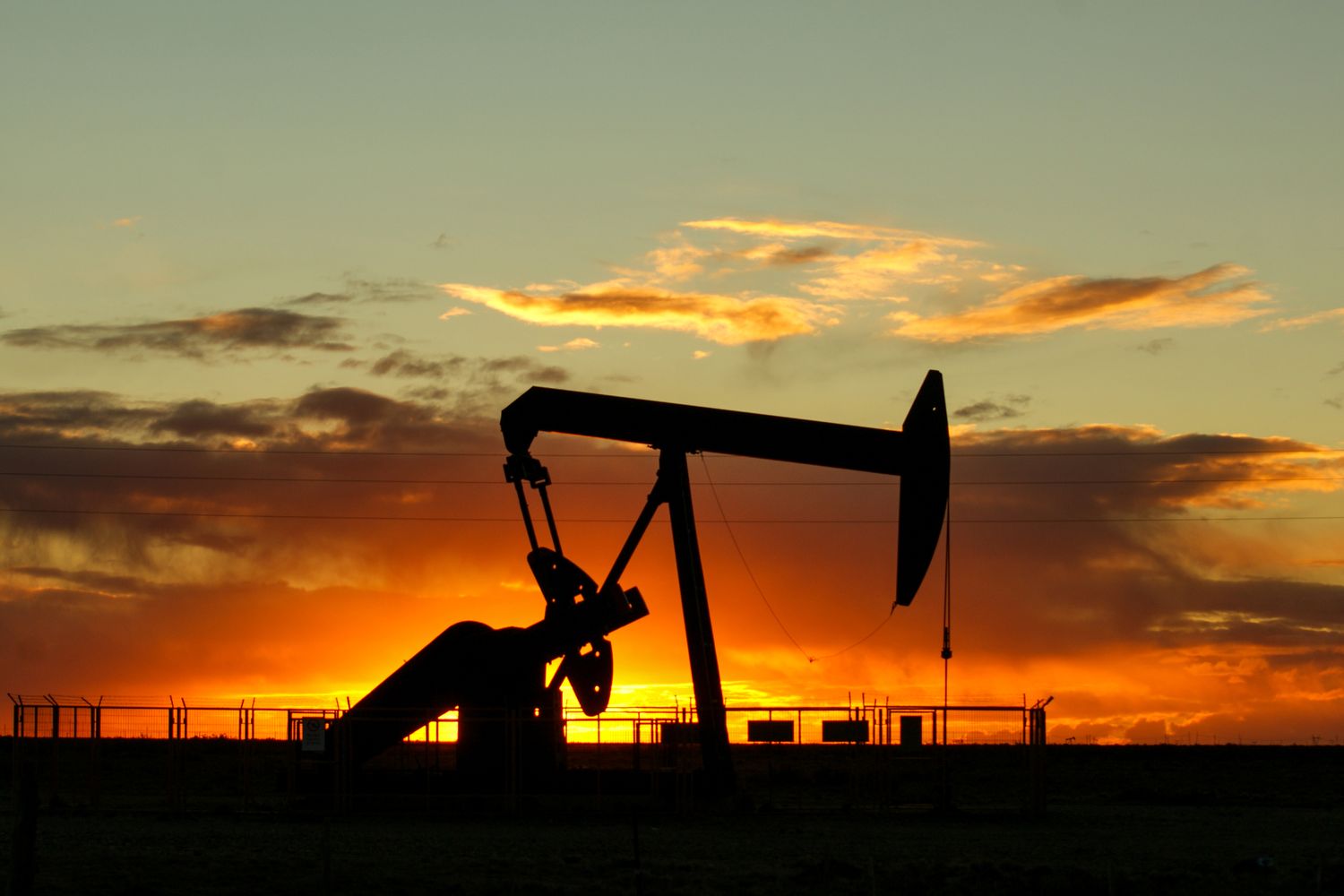
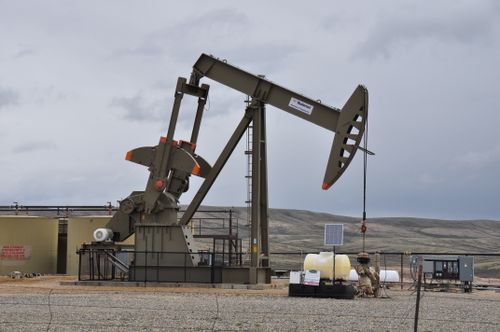
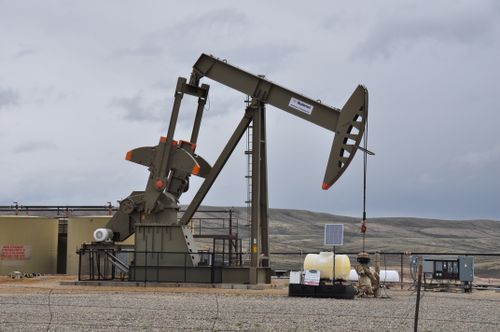
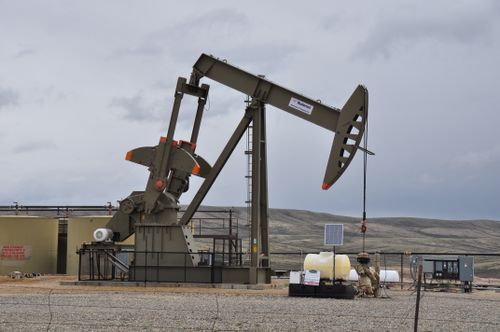
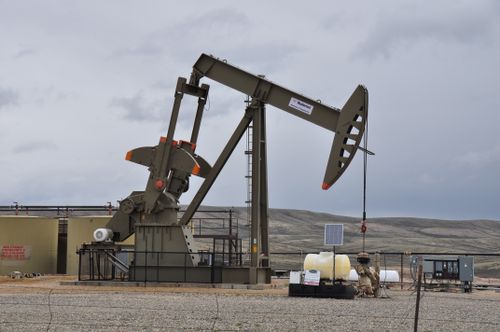
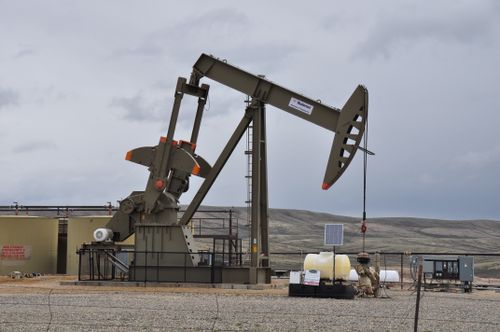
Here is the case study question: can a country be a good bet for investors and a hard place to live at the same time? For now, Argentina is both. The resource story is genuinely compelling. The country sits on some of the world’s largest lithium deposits, the Vaca Muerta formation holds enormous shale oil and gas reserves, and copper projects are advancing. Major commodity companies, Rio Tinto in lithium, BHP in copper, Chevron in shale, are already operating there. The $7 billion EXIM facility, tied to buying American equipment, is a bet that infrastructure can unlock those resources and that export revenues can eventually ease the chronic dollar shortages behind Argentina’s repeated crises.
But resources in the ground are not wages in pockets. The corridor will take years to build. The poverty is now. And there is a political clock running: Milei’s reelection campaign begins in earnest next year, and voters experiencing 32.3 percent poverty do not grade on the curve of lithium export projections for 2036.
The lesson for readers elsewhere is about sequencing. Every structural reform has a J-curve: things get worse before they get better, and the “before” is lived by real families. Argentina’s J-curve was unusually deep, then unusually fast in its recovery, and now it may be bending the wrong way again. Whether the Washington money accelerates the recovery or merely finances an enclave economy of mines and pipelines disconnected from Buenos Aires kitchens will decide whether Milei’s experiment is remembered as a turnaround or a cautionary tale.
My take is that both Argentinas are real, and neither cancels the other. The country that attracts $7 billion in project finance and the country where 45 percent of children are poor are the same country, and any honest account of Milei’s economy has to hold both pictures at once. Investors are betting on the ground beneath Argentina. Argentines are waiting for the economy above it to reach them.
What to watch next
The 2027 reelection campaign, the pace of EXIM disbursements, and whether inflation stays near its recent lows. If poverty keeps rising while the corridor breaks ground, the political pressure on Milei will become the story.