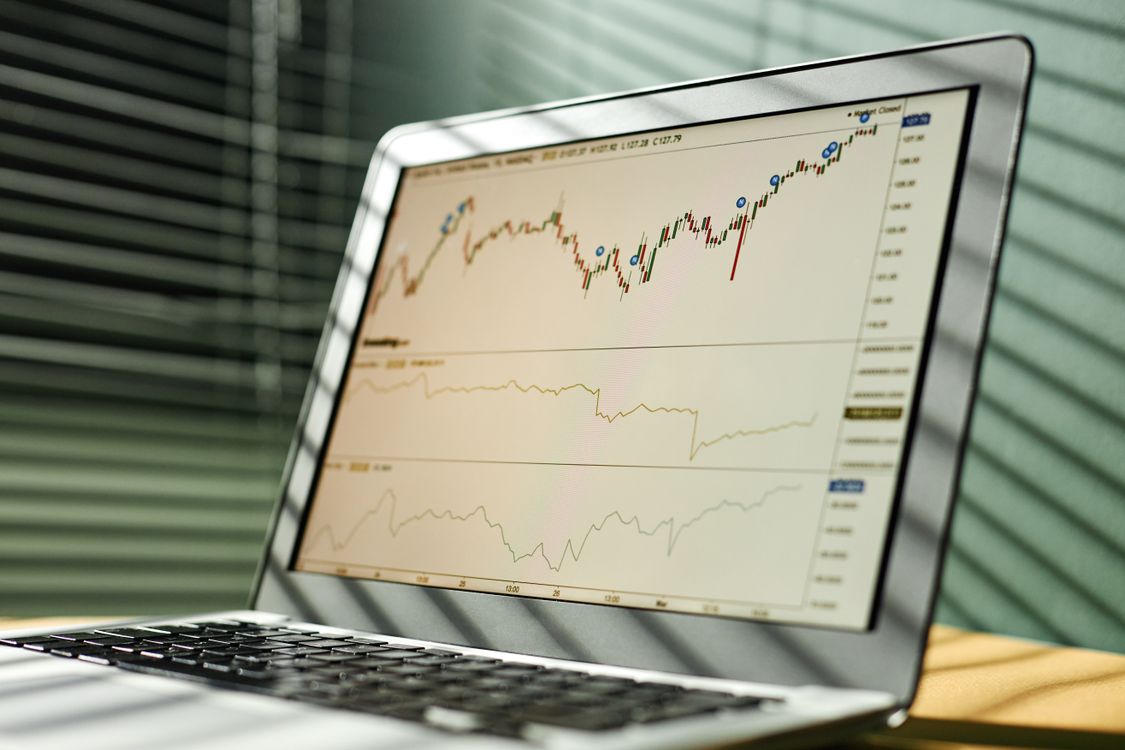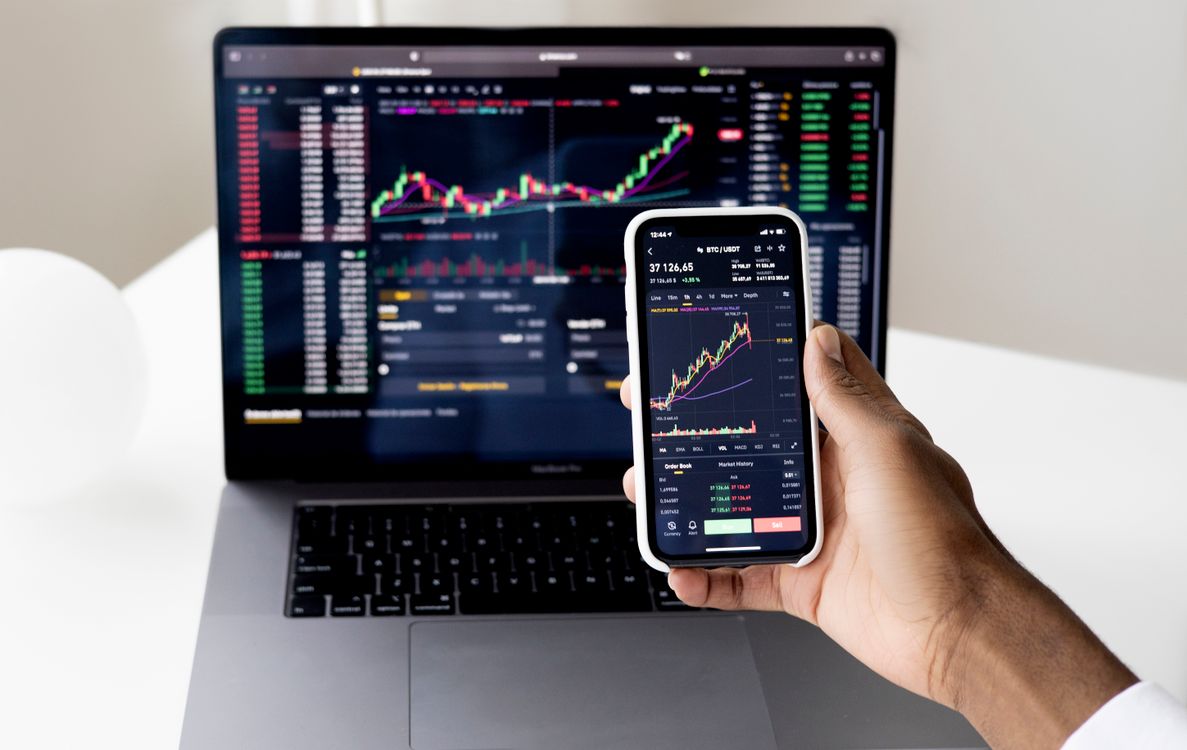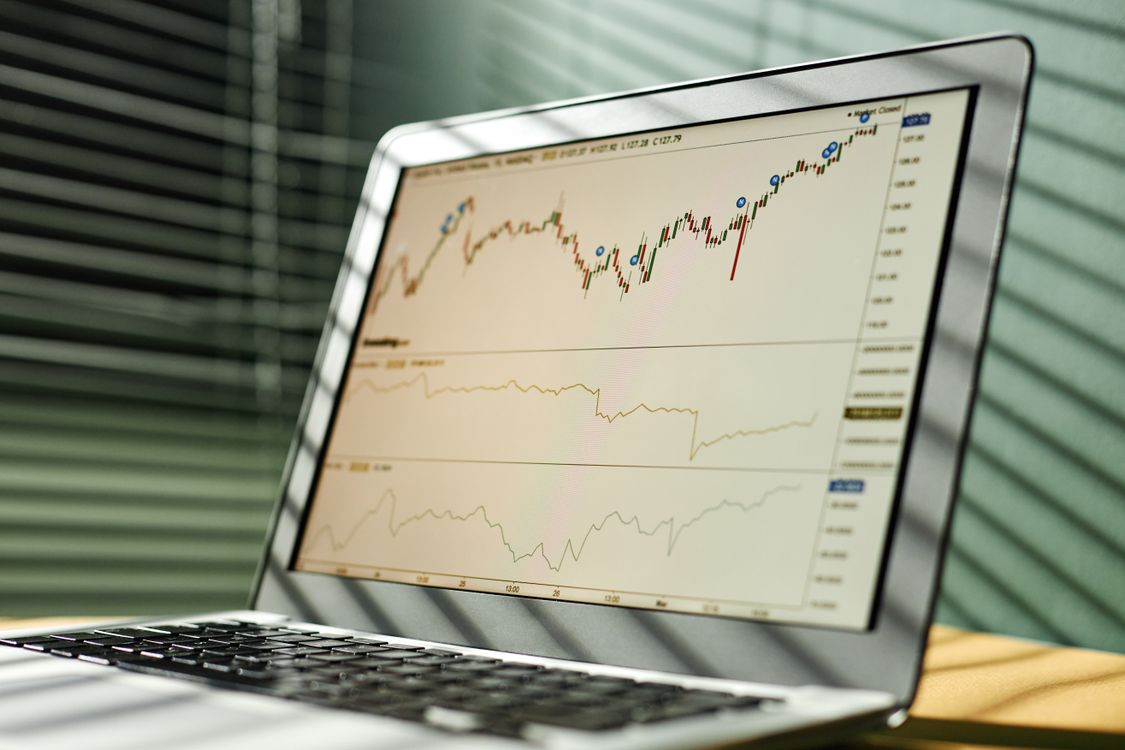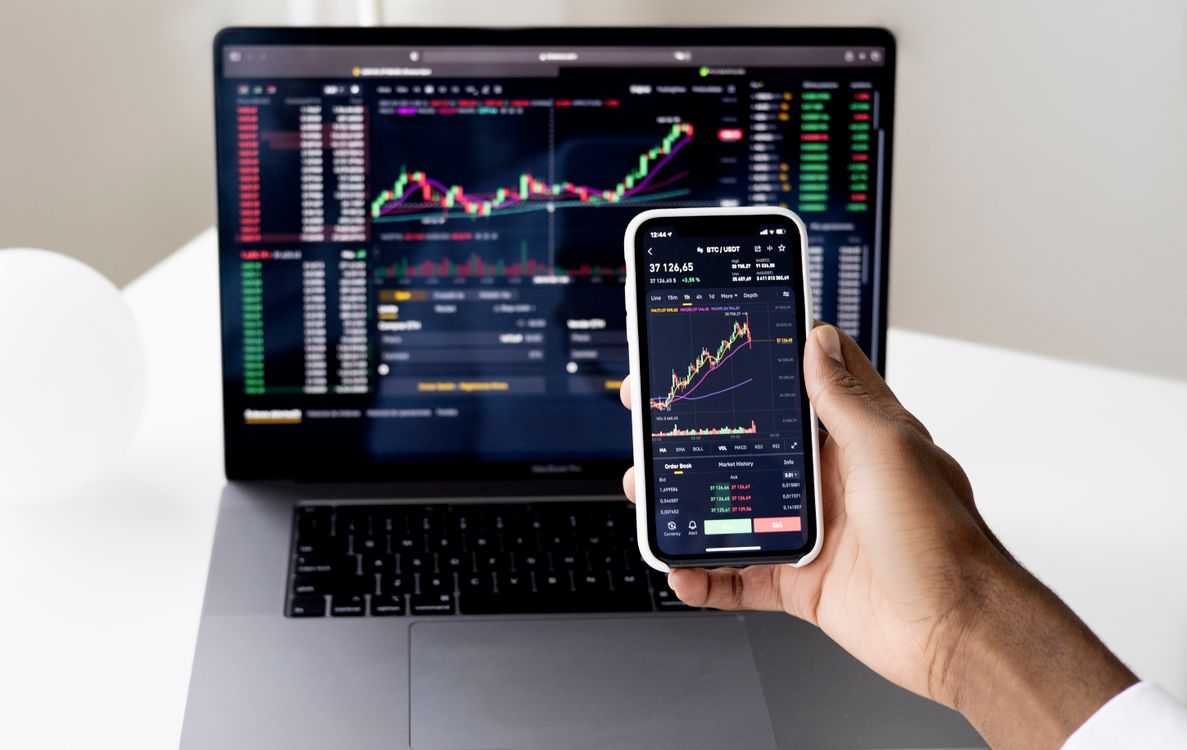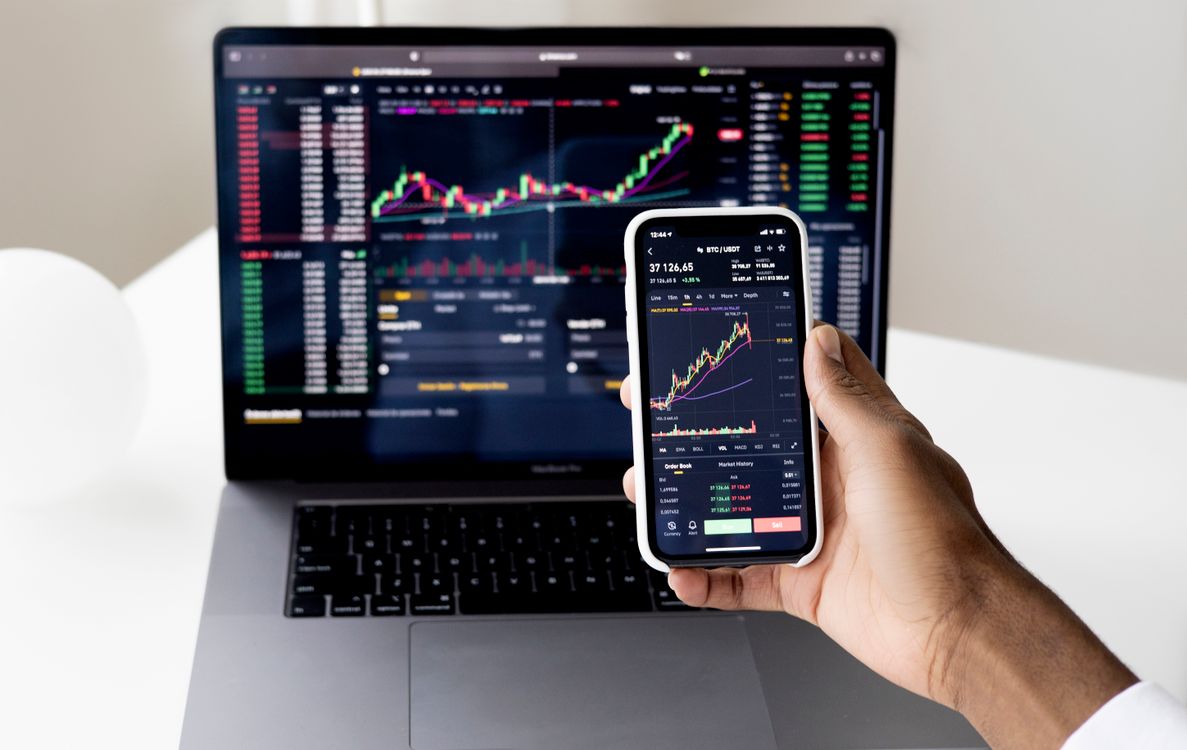

Friday, September 25, was the kind of day that lets a tired investor sit down and breathe again. The S&P 500 climbed 39.28 points (0.5%) to close at 7,743.41, the Dow Jones Industrial Average jumped 478.64 points (0.9%) to 51,828.62, the Nasdaq Composite added 129.34 points (0.5%) to finish at 27,068.72, and even the small-cap Russell 2000 chipped in 1.98 points (0.1%) to end at 2,837.55 (AP via Barchart, Investopedia).
For the full week, the S&P 500 rose 1.2%, the Nasdaq climbed 2.1%, and the Dow gained 0.3%, snapping a three-week losing streak that had kept plenty of people checking their phones a little too often. The Russell 2000 slipped 0.8% on the week, but the headline belongs to the S&P, which now sits within 0.7% of its August all-time high. This is my take on the week: a market that spent September doubting itself finally remembered what its money had been betting on all along.
The engine behind the rally was unmistakable, and it was wearing a familiar face. Meta soared roughly 13% on the week on investor enthusiasm for its new “Muse” AI agent, pushing the company toward a $2 trillion market valuation, though the ride was bumpy enough to test nerves (shares fell about 3.5% on Friday after popping 4.5% on Thursday). Microsoft joined the Friday party, closing up nearly 4%. Across the market, the S&P 500’s information technology sector rose 3.1% on the week, the best performance of the index’s 11 sectors. Once again, the promise of artificial intelligence did the heavy lifting, and the neighbors who held their tech funds through the September dip finally got a little reward for their patience.
But here is where the story gets honest, and a little uncomfortable. While stock traders were smiling, the bond market was flashing a yellow light. The yield on the 10-year Treasury hovered between 5.16% and 5.19% this week, its highest level since 2007, and it rose roughly 16 basis points over the week, though it eased slightly on Friday. The 30-year Treasury yield pushed into a range of 5.49% to 5.53%, its highest since 2004. If you are a family shopping for a mortgage, or a small business owner weighing a loan for new equipment, those numbers are not abstract. They are the cost of money itself, and right now that cost is running at levels most younger adults have never lived with in their working lives.
BlackRock’s Rick Rieder looked at the bond selloff and offered a line that deserves to be remembered: it is, in his words, “not a crisis but an eye-opener.” That feels about right to me, and let me tell you why. Rising yields can be read two ways. One reading says investors are worried about government debt, stubborn inflation, and a Federal Reserve that may keep interest rates higher for longer. The other reading says the economy is strong enough to handle these rates. This week, the economic data leaned toward that second reading.
Consider what American businesses and workers actually did this month. U.S. business activity expanded in September at its fastest pace in more than five years, a signal that the economy still has real muscle. Weekly unemployment claims fell to 197,000, one of the clearest signs that employers are holding onto their people. And August retail sales rose 1.2% month over month and 6.0% year over year (Rodeo Realty economic update). That is not a recession economy. That is your sister buying the kids’ fall clothes, your friend finally replacing the old car, and a thousand small decisions to keep spending, made by millions of households who still have paychecks and some confidence in them.
The shape of the week tells its own story. The Nasdaq’s 2.1% gain and the information technology sector’s 3.1% rise show that this was a rally led by the biggest, most AI-exposed names, while the Russell 2000’s 0.8% slide says smaller companies are still feeling the pinch of high borrowing costs. That split is worth noticing, because small businesses are the ones that live and die by the cost of credit. When the 10-year yield sits at its highest since 2007, the family-owned manufacturer trying to finance a new line of equipment feels it long before the mega-cap tech company does. A market where the giants exhale and the small caps hold their breath is a market telling you the recovery is real but uneven.
So here we stand, at the edge of one of the biggest weeks of the year. Wednesday, September 30, at 8:30 a.m. ET, brings the August PCE price index, the Federal Reserve’s preferred inflation gauge. Economists forecast headline inflation of 3.7% year over year and core inflation of 3.3%, both matching July’s readings (Dow Jones via Morningstar). Then, on Friday, October 2, the September payrolls report arrives, with a Reuters consensus of 100,000 new jobs and an unemployment rate holding at 4.2% (Reuters). These two reports will do more to decide the Fed’s next move than anything the stock market did this week, and that is exactly how it should be.
The honest version of this story is that Wall Street is in a waiting room. The records are close enough to touch (the S&P sits within 0.7% of its August high), the economy is proving stronger than the September gloom suggested, and yet the bond market is charging prices that say inflation is not finished being a problem. A hot PCE number could cement the case for another Fed hike in October and send yields higher still, which would squeeze the very households whose spending has kept this economy upright. A cool number could give the market permission to run at those records again.
If you are wondering what to do with all this, here is my take, labeled as such: this is a week to know your own numbers before you react to anyone else’s. Check the rate on your mortgage, your auto loan, and your credit cards, because 10-year yields at 2007 levels mean the price of borrowing is not coming down soon. If you are saving, those same high yields mean your money finally earns something for sitting still, and that is a gift worth taking. And if you are invested for the long run, remember that the S&P 500 just survived a three-week losing streak and walked out the other side near its highs. Patience, once again, did most of the work.
The market exhaled this week. Next week, it finds out whether it can breathe easy.