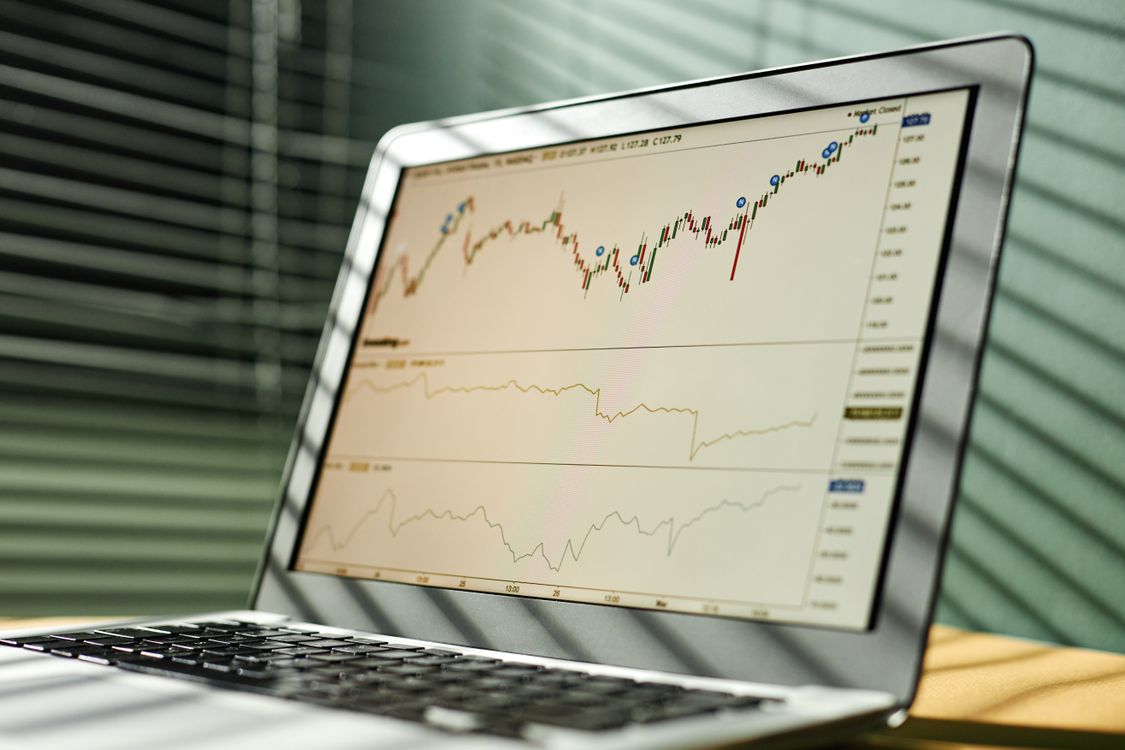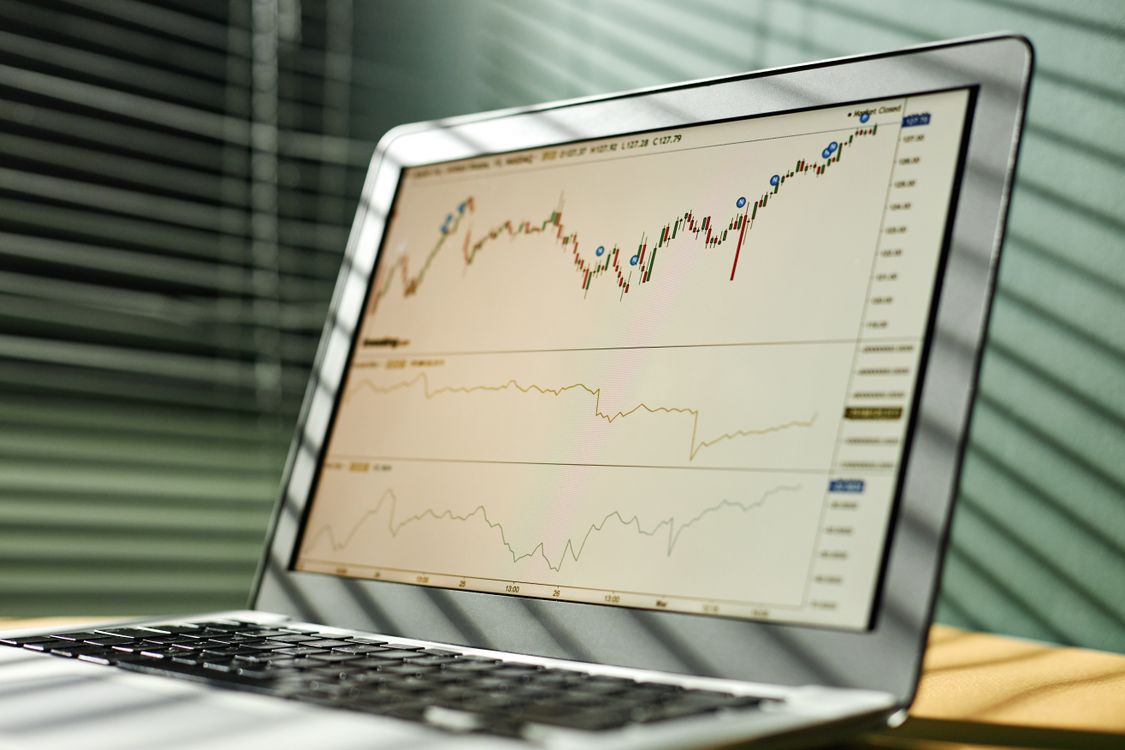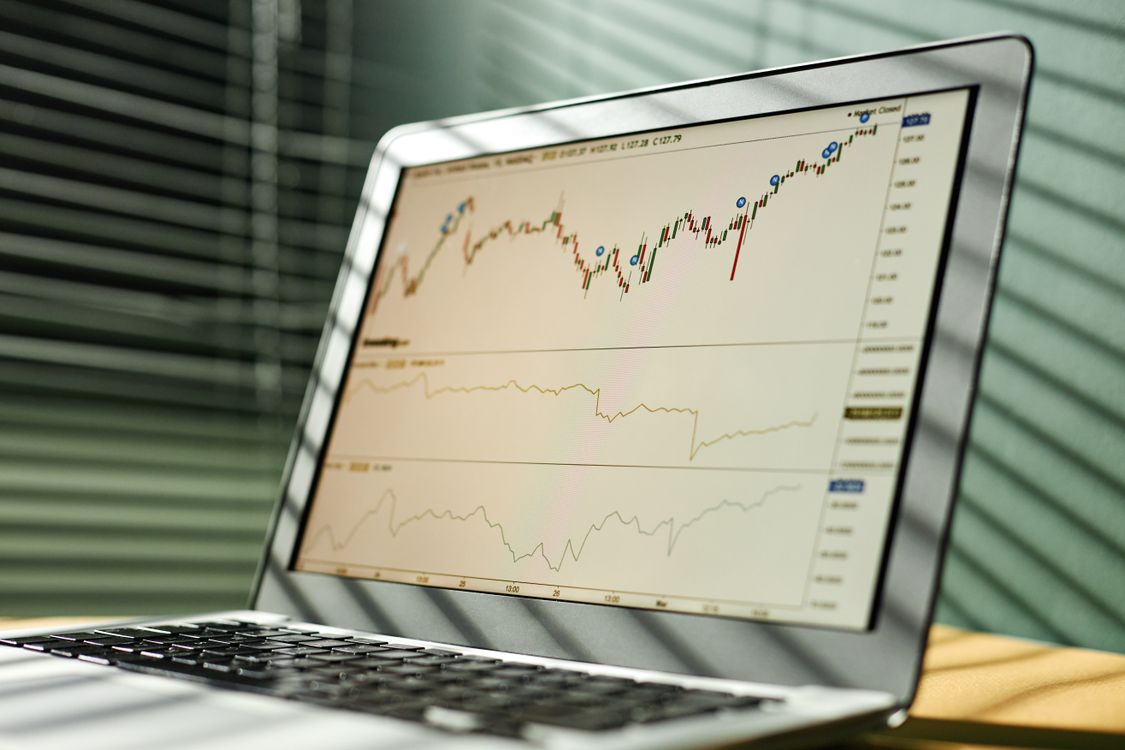

On Monday, September 28, the 10-year Treasury yield settled at 5.241%, a fresh 19-year high and its seventh record close this month, and it even touched 5.272% intraday, near a 24-year high. The 30-year Treasury climbed to 5.561%, itself a 24-year high, while stocks sold off: the Dow fell 0.7%, the Nasdaq dropped 0.9%, and the S&P 500 lost 0.8%, according to WSJ live markets coverage.
Those are big, round, alarming numbers. But what do they actually mean for your life? If you have a mortgage, a credit card balance, or a small business with a loan, this article is for you. I am going to walk through what a multi-decade-high yield costs in plain dollars, and then we will talk about what you can actually do about it.
Where this yield came from
First, some context so none of this feels like a mystery. The Federal Reserve’s target range for its benchmark rate sits at 3.75 to 4% after its latest quarter-point hike, and markets are pricing in better than 70% odds of another hike at the October meeting, according to the Federal Reserve and the Finimize daily brief.
The 10-year Treasury yield matters because it is the benchmark for so much borrowing in America. When investors demand a higher return to lend to the U.S. government for ten years, every other lender in the economy takes its cue. Mortgage rates, auto loan rates, business loan rates, they all ride on the back of that number. So when the 10-year hits a 19-year high, borrowing gets more expensive across the entire country, all at once.
Think of it like the weather. You cannot negotiate with the temperature. You can only dress for it. Right now the borrowing weather is as hot as it has been in nearly two decades, and here is what that feels like for three kinds of real people.
The mortgage holder
Let me tell you about a family I’ll call the Hendersons. They are looking at a $350,000 home, the kind of starter place in the suburbs where the kids can have a yard. They have a 20% down payment saved, which means they need a $280,000 mortgage.
A 30-year fixed mortgage rate roughly follows the 10-year Treasury yield plus a spread that lenders add for their risk and profit. When the 10-year sits near 5.27%, a 30-year fixed mortgage lands somewhere in the low to mid sevens. Let’s use 7.5% as a working number, which is my take on a reasonable estimate given where yields sit, not a quoted rate.
At 7.5%, that $280,000 mortgage costs about $1,957 a month in principal and interest. For comparison, the same loan at 3.5%, the kind of rate that existed a few years ago, would have cost about $1,257 a month. That is a difference of roughly $700 every single month, or $8,400 a year, for the same house. Over 30 years, the family pays hundreds of thousands more in interest.
That is what a multi-decade-high yield means at the kitchen table. It is not an abstraction. It is the difference between being able to afford a home near good schools and being priced out entirely, between saving for retirement and sending every spare dollar to the lender.
Here is my take for anyone in the Hendersons’ position. First, if you can wait and your housing situation is stable, waiting is a legitimate strategy. Rates cycle. Second, consider a rate buydown or a shorter-term adjustable option only if you truly understand the risks and can afford the worst case. Third, improving your credit score by even a few dozen points can shave real money off your quoted rate, so pull your reports, dispute errors, and pay down balances before you apply. Finally, shop at least three lenders. The gap between the best and worst quote you receive can be worth tens of thousands over the life of the loan.
The credit-card borrower
Now let’s talk about Marcus. Marcus carries a $9,000 balance on a credit card. He is not reckless; life happened. A car repair, a medical bill, a stretch of unemployment between jobs. His card charges a variable rate tied to the prime rate, which moves with the Fed’s benchmark.
When the Fed hiked by a quarter point and the market started pricing in another hike, Marcus’s card rate crept higher too. Credit card rates in this environment sit well into the high teens and twenties for many borrowers. At, say, 24% APR on $9,000, Marcus is paying about $180 a month in interest alone, before he has touched a dollar of principal.
Here is the math that should make everyone pause. If Marcus pays $250 a month, it takes him more than five years to clear the balance, and he pays roughly $7,000 in interest on top of what he borrowed. If the Fed hikes again in October, as markets expect, his rate and his monthly interest climb higher still.
My take for Marcus, labeled clearly as general information and not personal financial advice. The single most powerful move is to attack the balance aggressively, because every dollar of principal you pay down is a dollar that stops accruing interest at 24%. If you have decent credit, a balance-transfer card with a 0% introductory period can buy you breathing room, but read the transfer fee and the fine print. If you cannot make minimums, call the card company before you miss a payment; hardship programs exist, and a negotiated rate reduction beats a late fee and a credit-score hit. And do not take on new debt at these rates to pay off old debt unless the new rate is genuinely lower.
The small business owner
Priya runs a small catering company. She employs six people, rents a commercial kitchen, and she wants to buy a second delivery van for $55,000 so she can take on wedding contracts across town. Her bank quotes her a business term loan at a rate tied to the 10-year yield.
At these yields, a five-year loan for that van at, say, 9% costs her about $1,142 a month. A few years ago, when yields were near historic lows, the same loan might have been closer to $950 a month. The difference of nearly $200 a month decides whether the van pays for itself on the new contracts or becomes a burden.
For small business owners, high yields also tighten everything else. Lines of credit reprice. Landlords pass through higher financing costs as higher rent. Customers, feeling the pinch themselves, negotiate harder on price. It is a squeeze from every direction.
My take for Priya and every owner reading this. First, run the numbers on any borrowing at the current rate, not the rate you remember from 2021. If the investment does not cash-flow at the current cost of capital, wait or find another way. Second, look at leasing instead of buying for equipment, and compare the total cost honestly. Third, talk to your bank about a fixed rate if you are on a variable line; locking in now protects you if the Fed hikes again in October. Fourth, build cash. In a high-rate world, the businesses that survive are the ones that need to borrow the least.
Why stocks sold off too
You might have noticed that Monday’s record yields came with falling stock prices, and that is no coincidence. When the 10-year Treasury pays 5.24%, investors can get a strong, essentially risk-free return from government bonds. That makes future corporate earnings, which are risky, less attractive by comparison. Growth stocks in particular get hit, because their value depends heavily on profits expected far in the future, and higher yields shrink the present value of those future profits. That is why the Nasdaq, heavy with tech, fell 0.9%, a bit more than the broader market.
There is also a subtler message in the bond market. When the 10-year yield keeps setting records, it tells you investors believe rates will stay high for a long time, that inflation is sticky, or that the government is borrowing so much that buyers demand higher compensation. Any of those readings is worth understanding, even if you never buy a bond in your life, because they shape the cost of everything you finance.
What you can do right now
Let me close with practical steps, and I want to be clear that these are general information and my take as an analyst, not personalized financial advice. Everyone’s situation is different, and big decisions deserve a conversation with a qualified professional who knows your full picture.
First, know your rates. Pull out every loan, card, and line of credit you have and list the interest rate, the balance, and whether it is fixed or variable. Most people are surprised by what they find. Knowledge is the foundation of every good decision.
Second, prioritize paying down variable-rate debt. Credit cards and adjustable loans are the ones that bite harder with every Fed hike, so they deserve your extra dollars first.
Third, if you are shopping for a mortgage or a car loan, get multiple quotes and negotiate. Lenders compete. A half-point difference on a mortgage is worth real money.
Fourth, build or rebuild your emergency fund. High rates punish borrowers but reward savers, and having three to six months of expenses set aside means you never have to borrow at 24% to handle a crisis. That is the single most powerful protection against a high-rate world.
Fifth, if you have savings earning next to nothing in a checking account, look at high-yield savings accounts or short-term Treasury bills. When the 10-year pays over 5%, even the short end pays well, and there is no reason to leave your cash earning almost zero.
Here is the hopeful part, and I mean it. High yields are painful for borrowers, but they are also a sign of a functioning market pricing risk honestly. The same discipline that gets a family through a 7.5% mortgage, aggressive debt paydown, careful shopping, real emergency savings, makes them stronger in every rate environment. The yield is the weather. How you dress for it is up to you.