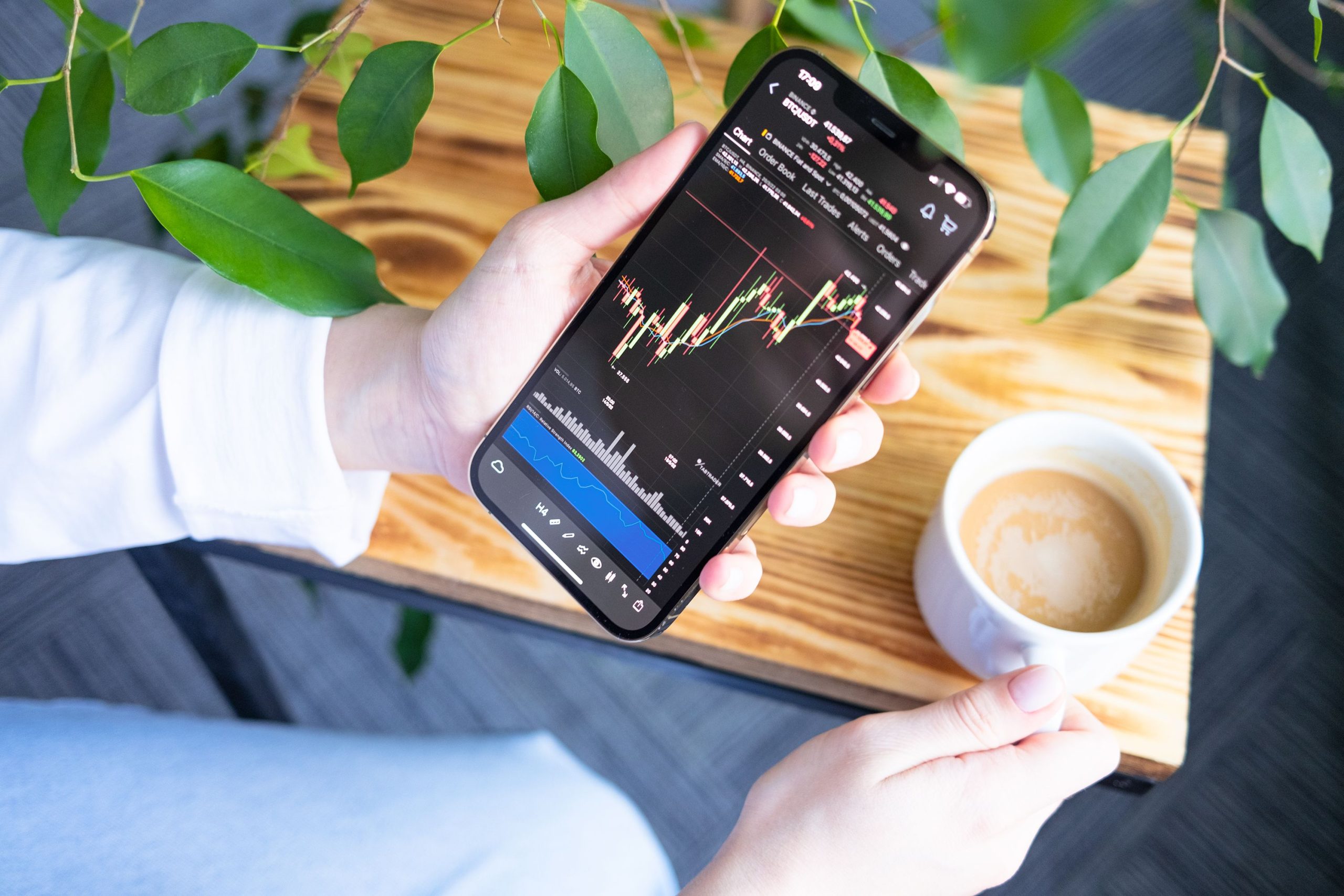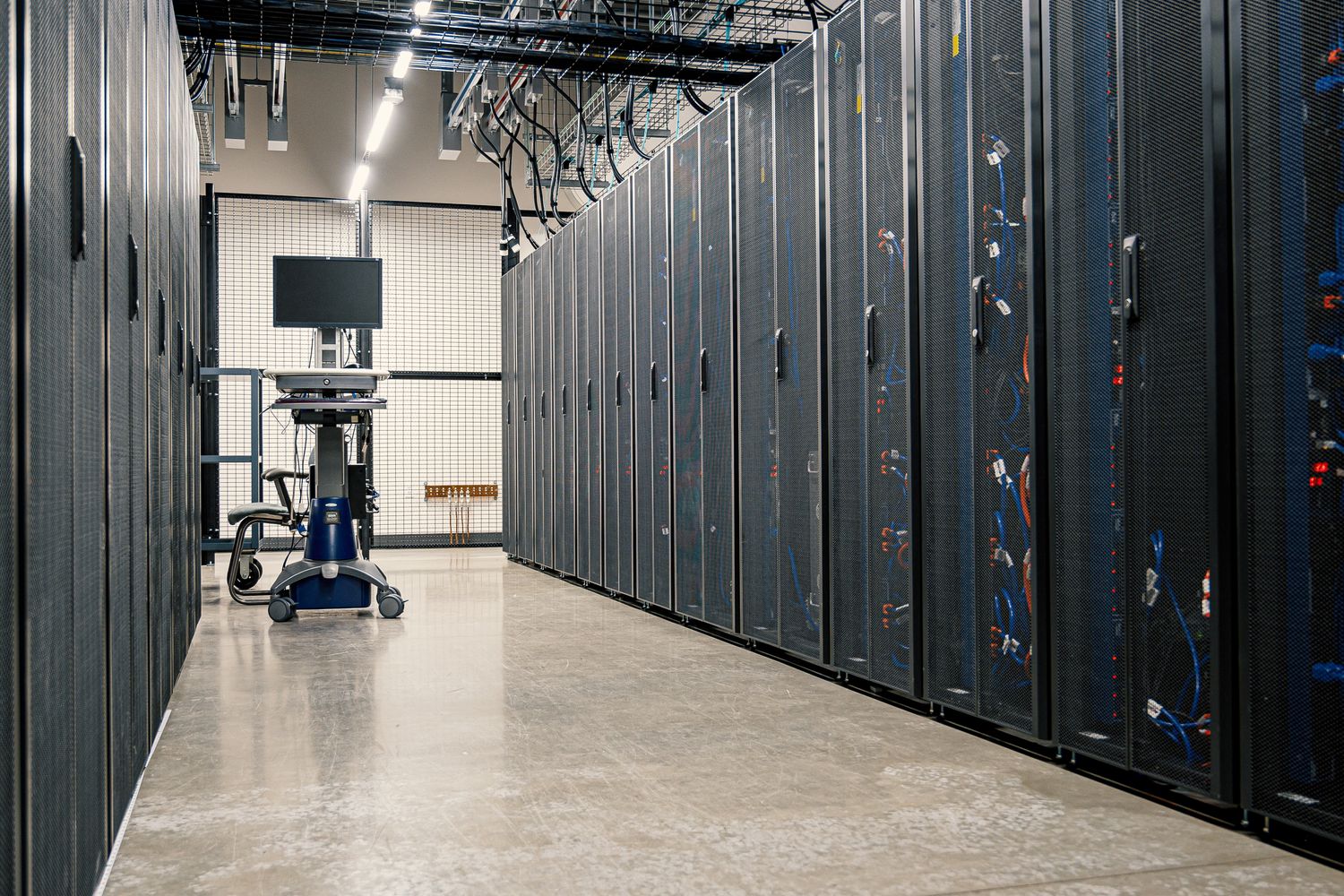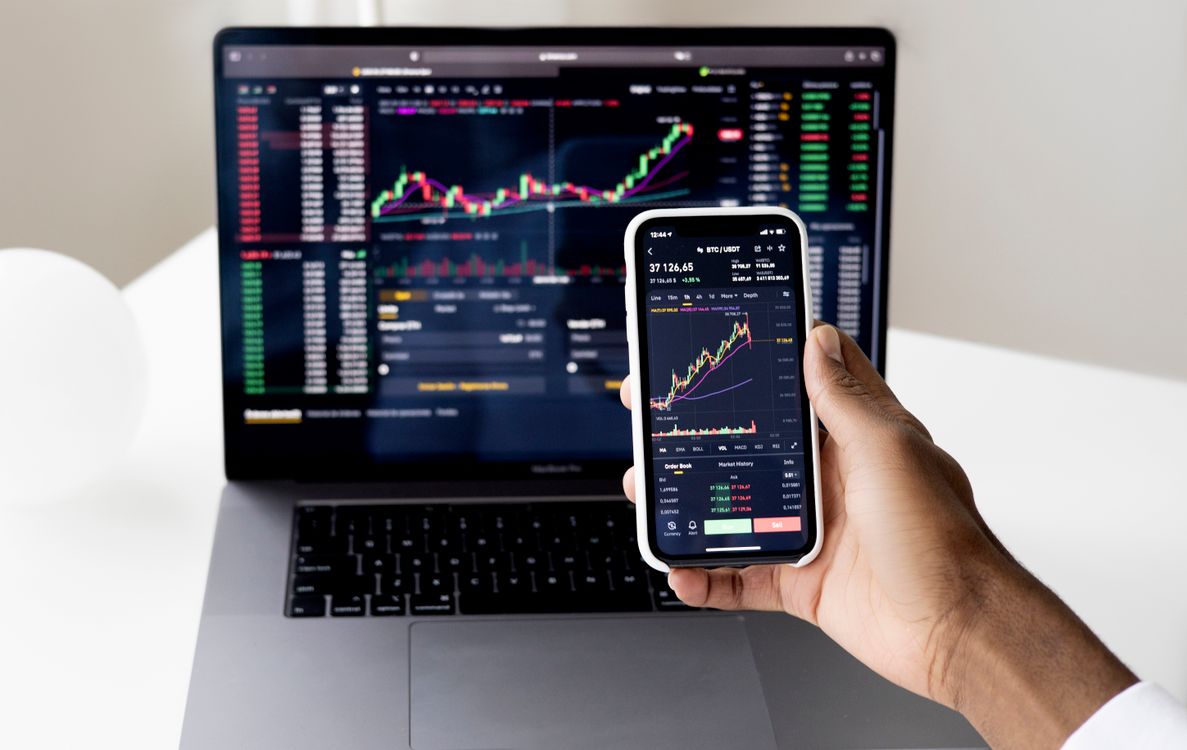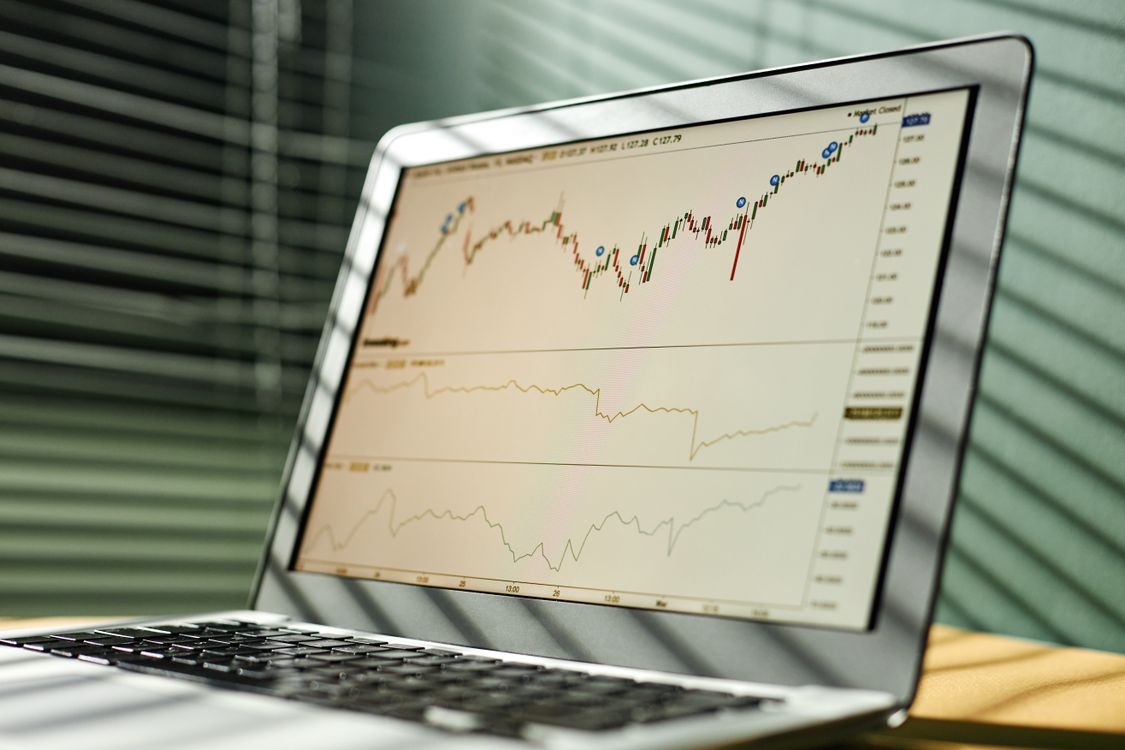
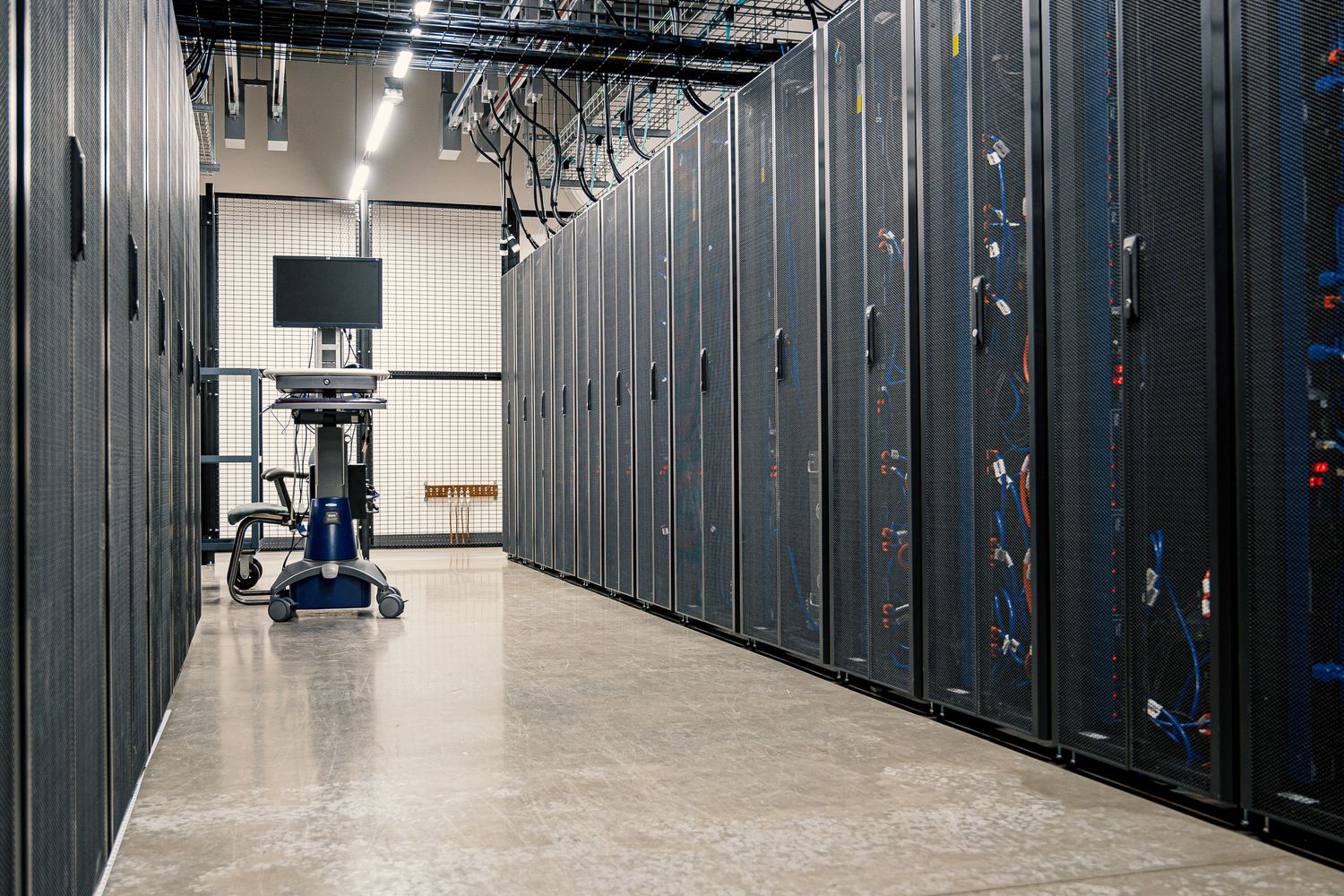
Micron Technology did almost everything right on Thursday, October 1. The memory chip maker posted better-than-expected quarterly results and issued a rosy outlook, riding the wave of demand for the memory chips that power data centers and artificial intelligence infrastructure (HDFC Sky, Investopedia). The stock opened barely changed. By midday it was down 1.9 percent (Barron’s).
If that seems backwards, welcome to the memory business, where great news is often the most dangerous news of all.
What Micron actually reported
Micron’s fiscal fourth-quarter results exceeded expectations and the company raised its outlook for the following quarter, highlighting continued demand for memory products linked to data centers and AI infrastructure (HDFC Sky). The read-through lifted the entire chip-equipment complex: Lam Research gained 2.86 percent, Applied Materials rose 3.48 percent, and KLA gained 1.78 percent in early trading (HDFC Sky).
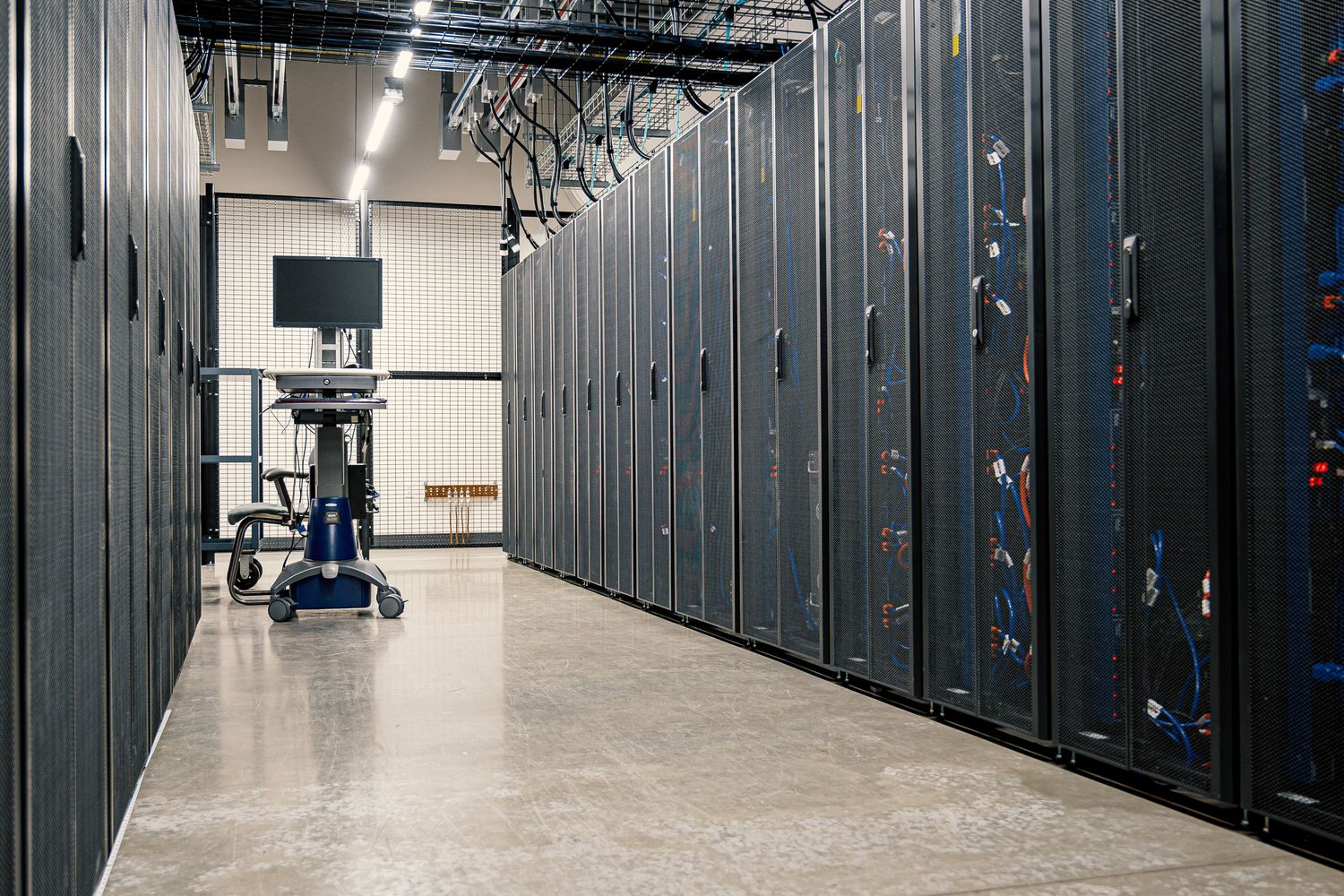
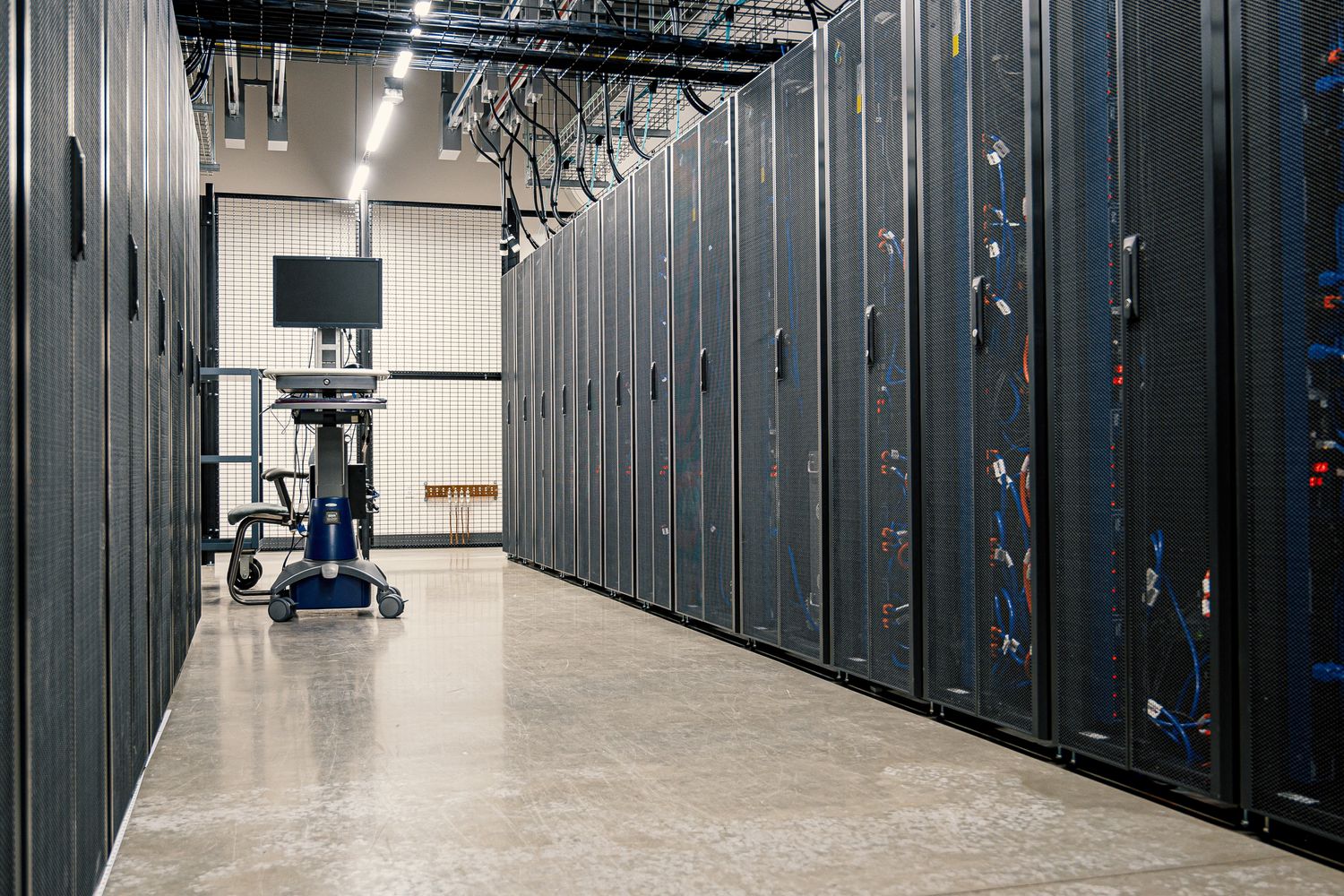
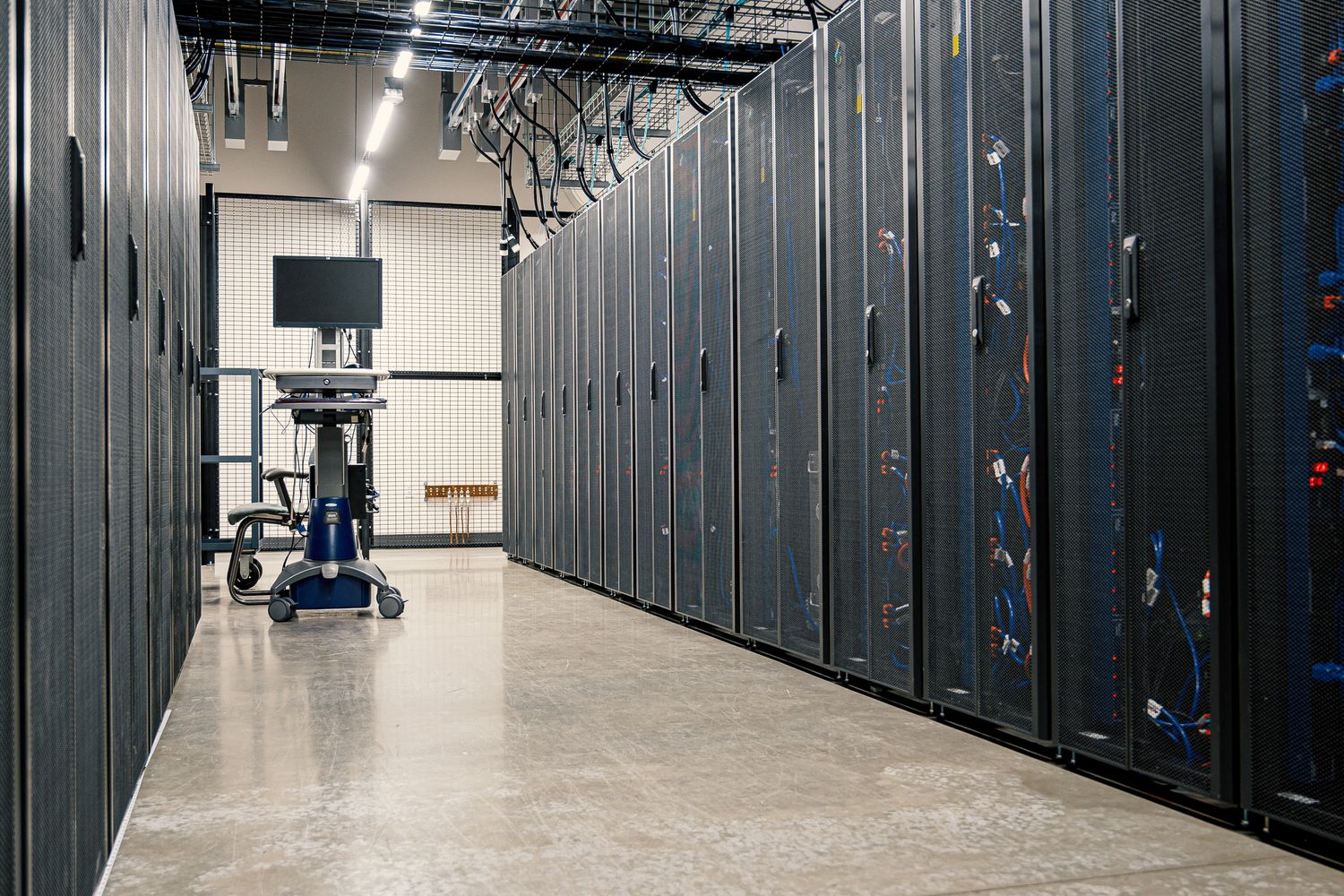
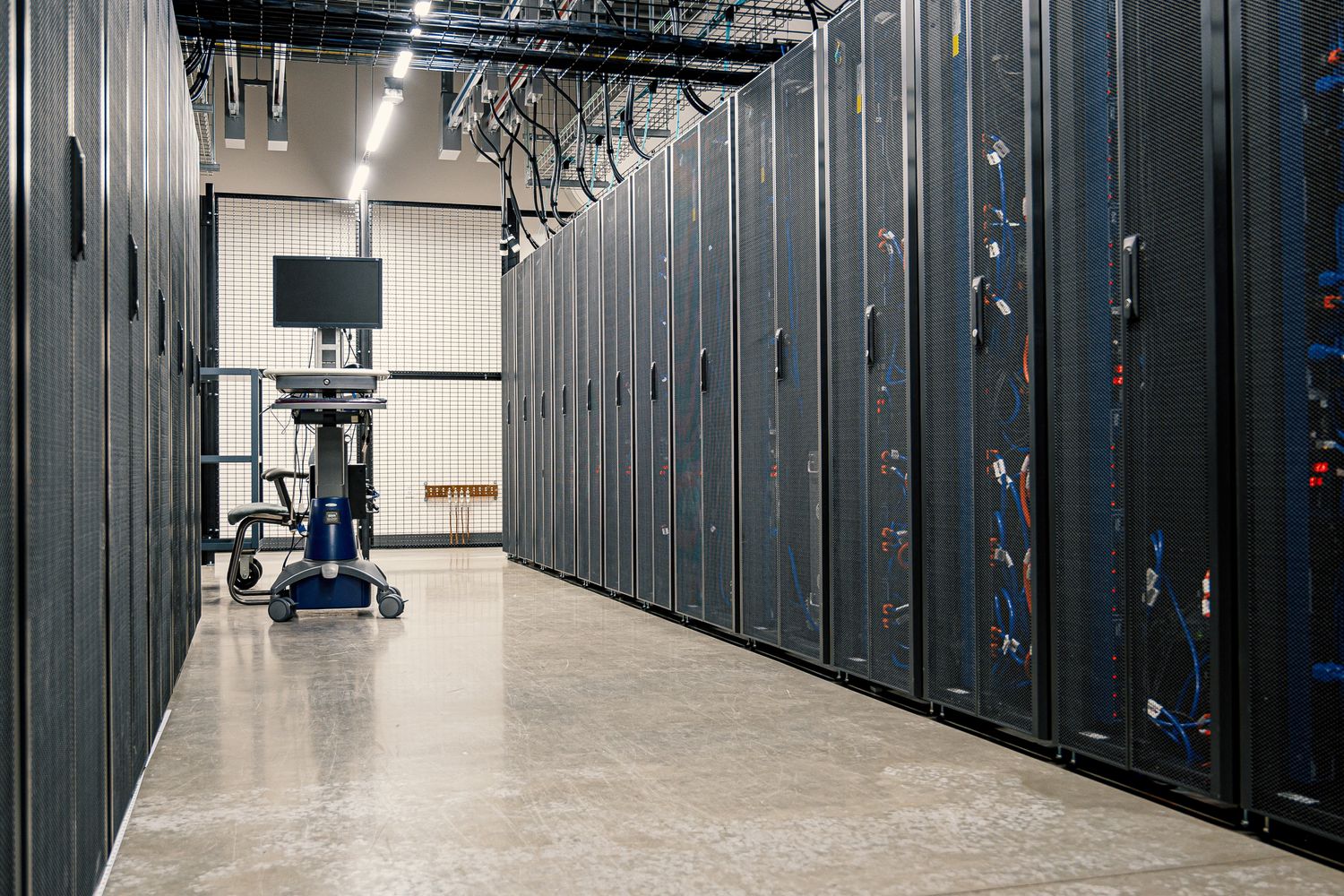
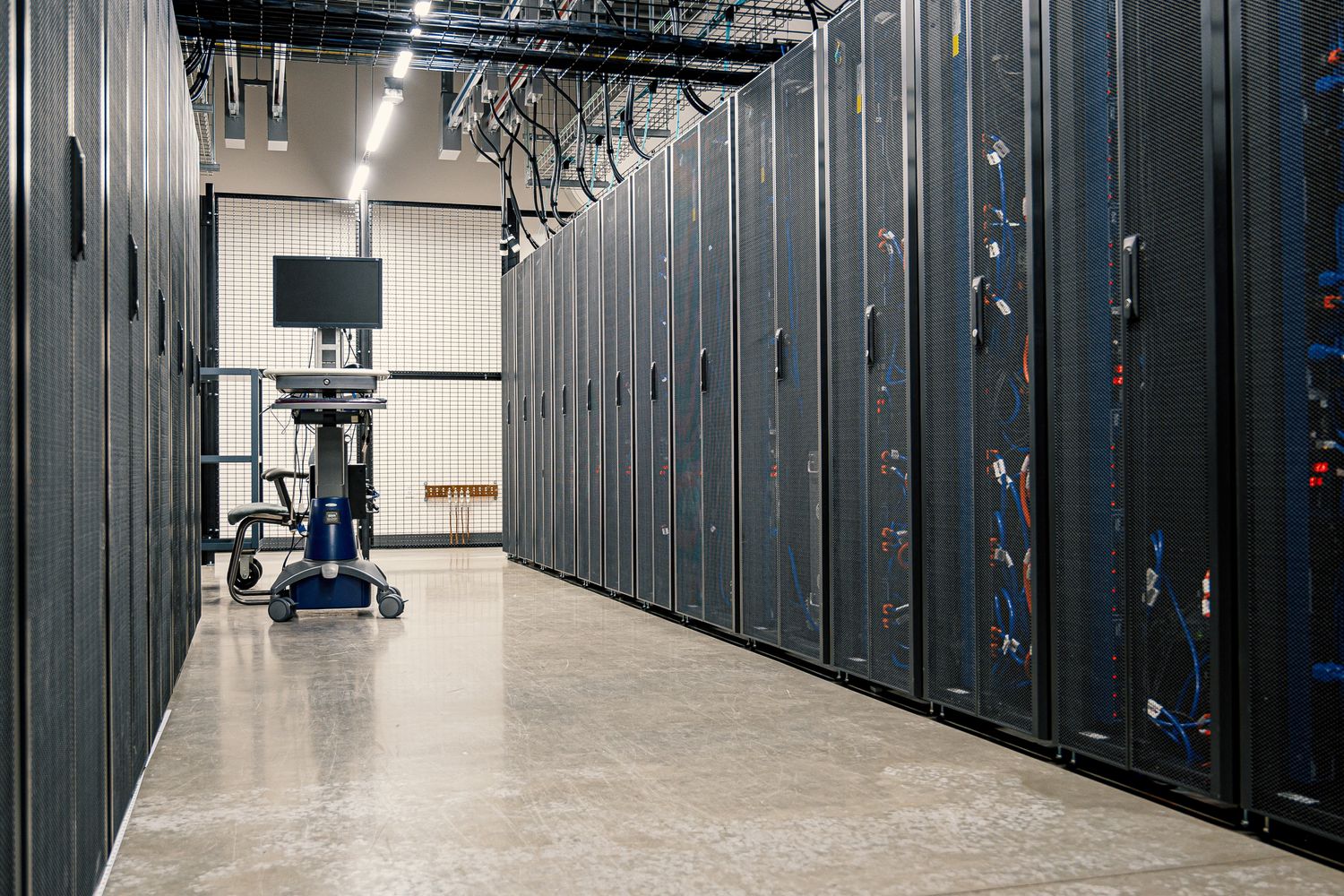
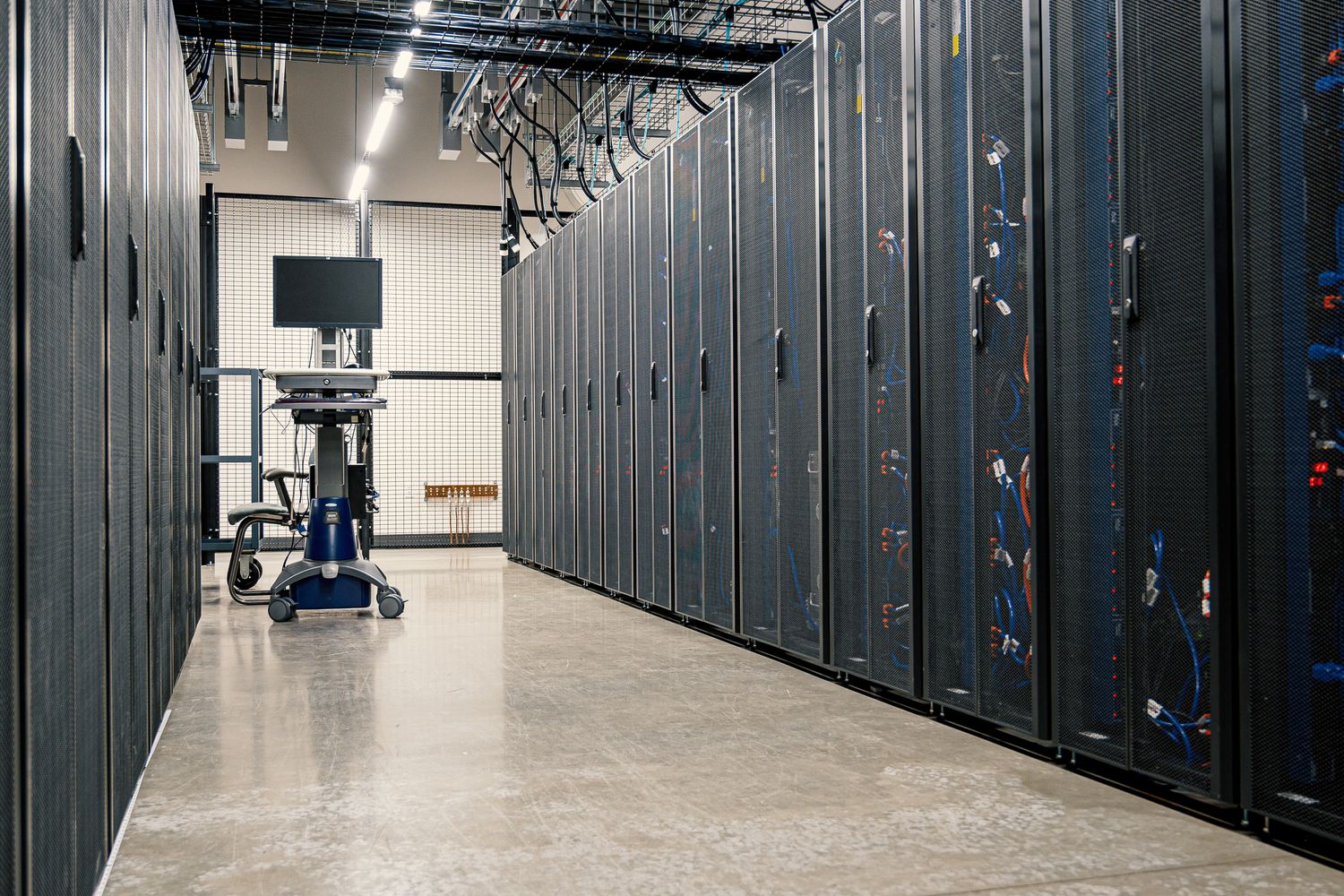
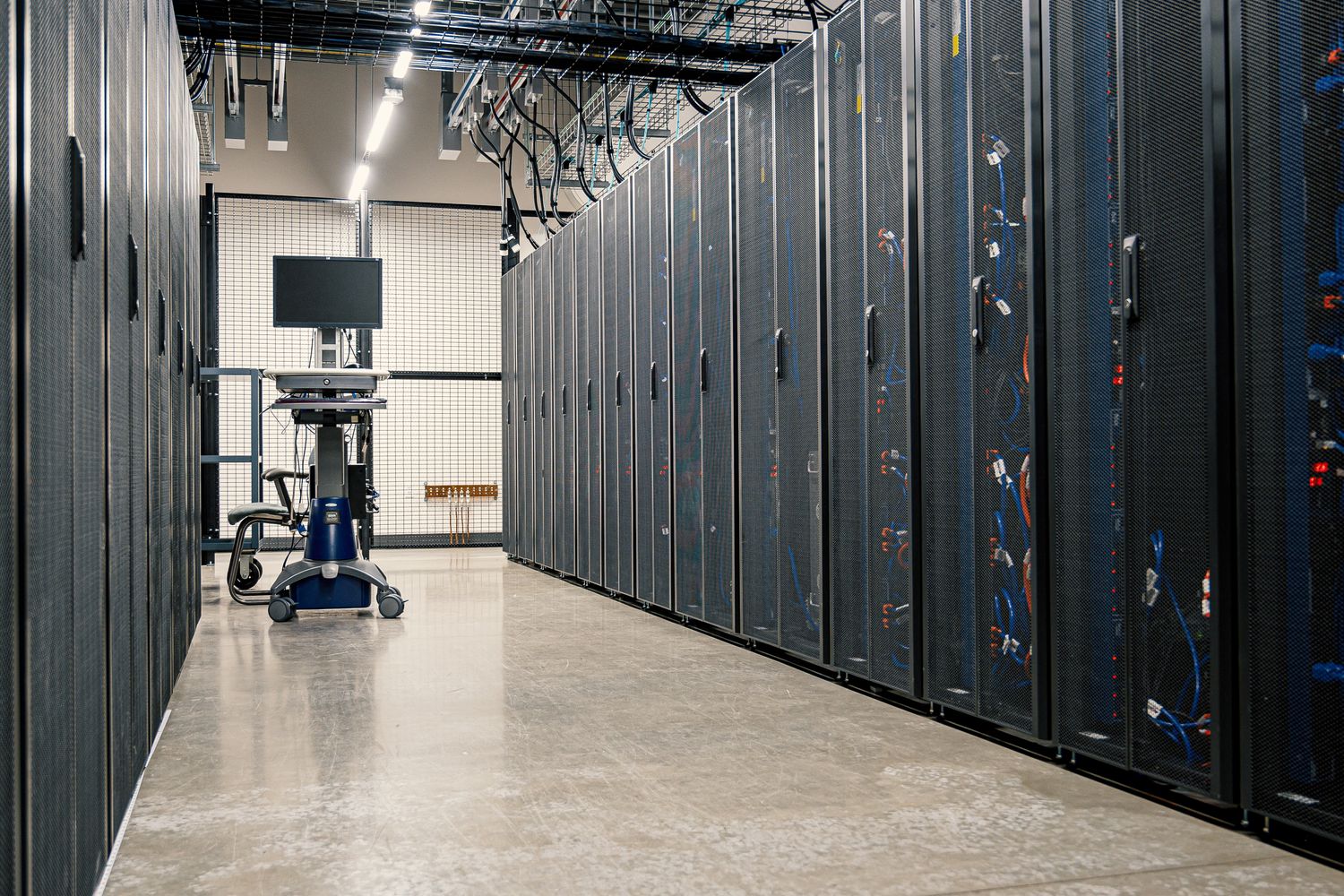
Memory is the commodity at the heart of the AI buildout. Every data center GPU needs stacks of high-bandwidth memory, and the AI boom has turned Micron’s chips from an afterthought into a bottleneck. That is why the company’s results matter far beyond one stock: they are a temperature check on the entire AI infrastructure trade.
Why investors sold the good news anyway
Barron’s captured the skepticism: the memory industry “tends to be boom and bust, and investors remain skeptical about how much longer the artificial-intelligence boom can drive up sales” (Barron’s). This is not prejudice. It is pattern recognition built over decades of scars.
The memory market runs on a cycle as reliable as it is painful. When demand is strong and prices rise, memory makers pour money into new factories and equipment. When the new supply arrives, prices collapse. Companies then write down inventory, cut capital spending, and bleed until demand catches up again. Micron’s investors have lived through several full rotations of this wheel. A great quarter does not break the wheel; historically, it is often a sign the wheel is near the top of its turn.
That history is why the phrase “this time is different” does not work in memory land. The AI boom is real, and it is driving genuine, unprecedented demand. But every boom in memory history was real too, right up until the supply response arrived.
The equipment makers tell the other half of the story
Notice who rose on Micron’s numbers: not Micron, but the companies that sell Micron its tools. Lam Research, Applied Materials, and KLA all make the machines that build memory chips (HDFC Sky). When their shares jump on Micron’s outlook, the market is saying it believes the capital-spending wave is real and continuing. The equipment makers get paid whether memory prices hold or not.
Synopsys added its own chapter to the story Thursday, rising 9.3 percent after announcing two separate chip deals with OpenAI and Amazon at its investor summit, while Cadence Design Systems rose 5.04 percent and Synopsys advanced 10.10 percent in early trading on chip-design momentum (Barron’s, HDFC Sky). The software and tools layer of the AI stack is having a very good day even as the commodity memory layer gets sold.
What this means beyond the chip world
For the rest of us, the Micron story is a window into the most important question in markets right now: how much of the AI investment wave is durable, and how much is a cycle wearing a costume?
When Accenture posts record bookings on the same day Micron posts a beat that the market shrugs at, the contrast is instructive. Accenture’s clients are signing long-term contracts for AI work (Stocktwits). Micron’s investors are asking whether the chips enabling that work will be worth half as much when the factories catch up (Barron’s).
Both things can be true at once. AI demand can be genuine and transformative, and the specific commodity at the center of it can still be priced for a fall. That is the lesson the memory market keeps teaching: demand is only half the equation. The other half is what your competitors build while you are celebrating.
A cycle families already know
Here is the part that connects a semiconductor plant in Idaho to a kitchen table. The memory cycle works exactly like the housing cycle, only faster. When home prices soar, builders build. When the new homes arrive, prices soften, and the families who bought at the top spend years waiting to break even. In memory chips, that whole drama plays out every few years instead of every decade, and it plays out on the balance sheets of companies most people have never thought about.
That is also why Micron’s sell-off on good news is not a verdict on AI. It is a verdict on where we are in a supply cycle. Investors are asking a reasonable question: when every memory maker on earth is expanding capacity to chase AI demand, who buys at yesterday’s price a year from now? The question does not have an answer yet. The equipment orders at Lam, Applied Materials, and KLA suggest the expansion is still in its aggressive phase, which is precisely the phase that has ended every previous party.
For anyone watching the AI trade from the sidelines, the takeaway is practical. The winners of a boom are not always the companies selling the commodity at the center of it. Sometimes they are the toll collectors: the equipment makers, the design-software companies like Synopsys and Cadence, and the consultants like Accenture who get paid whether the chips hold their price or not. When Micron’s stock falls on a beat and Synopsys rises 9 percent on design wins, the market is telling you exactly which seat at the table it prefers.
What to watch next
The memory cycle turns on prices, so watch the contract prices for DRAM and NAND flash over the coming quarters, along with any slowdown in equipment orders at the big three toolmakers. If Micron’s raised outlook proves conservative and prices hold into 2027, the skeptics will have to rewrite their models. If prices start rolling over while factories are still ramping, Thursday’s shrug will look like early wisdom. Either way, the memory market will have taught its lesson again, and it will not charge tuition twice.