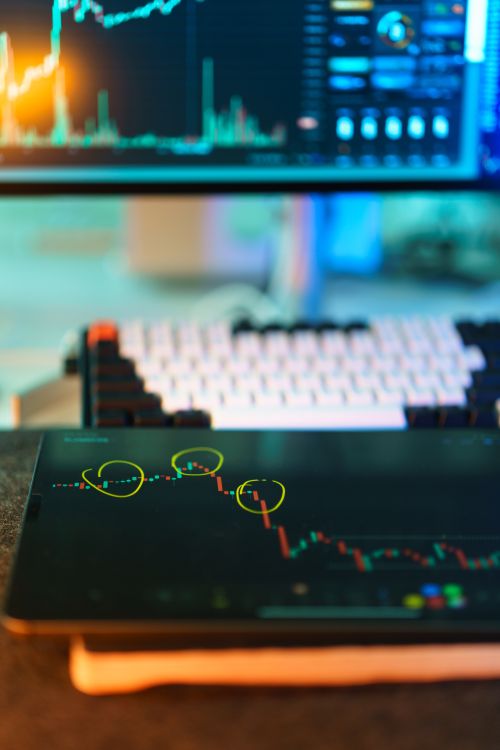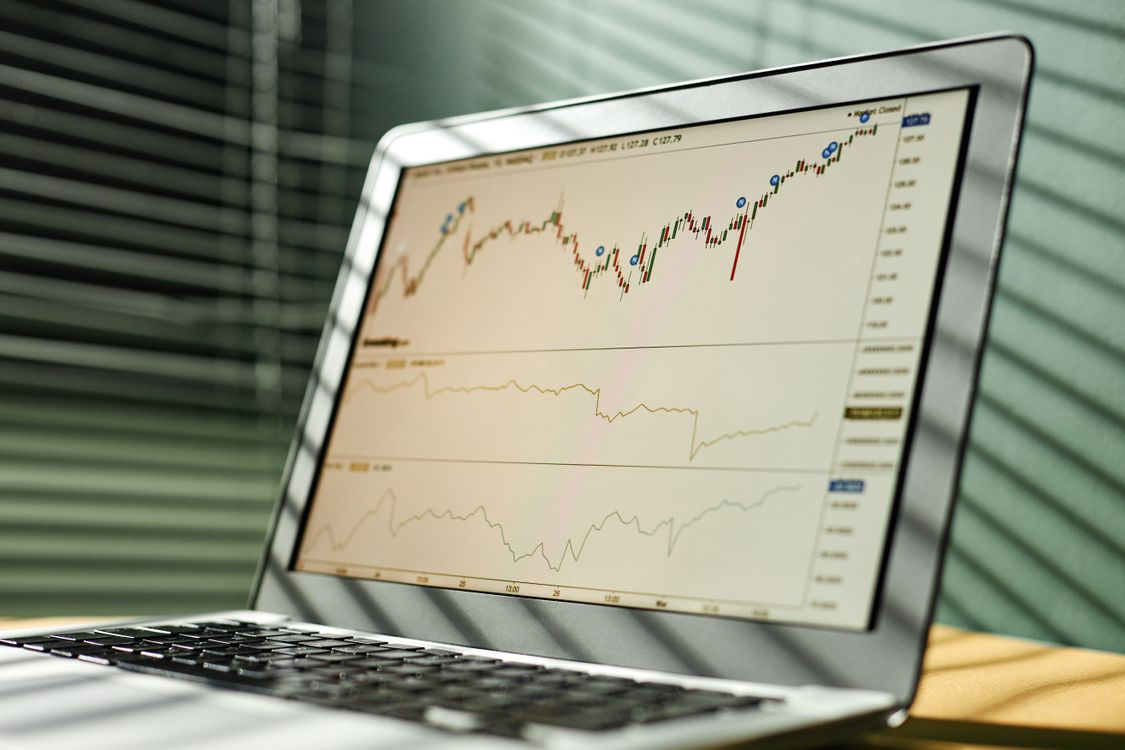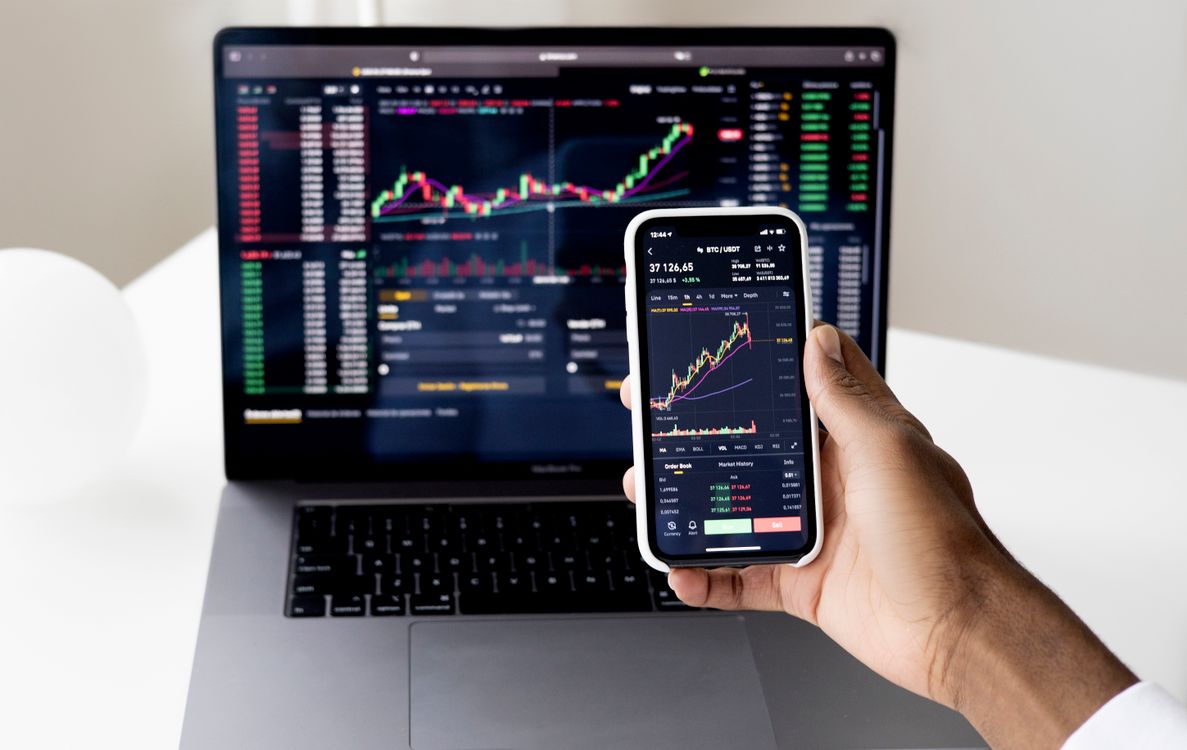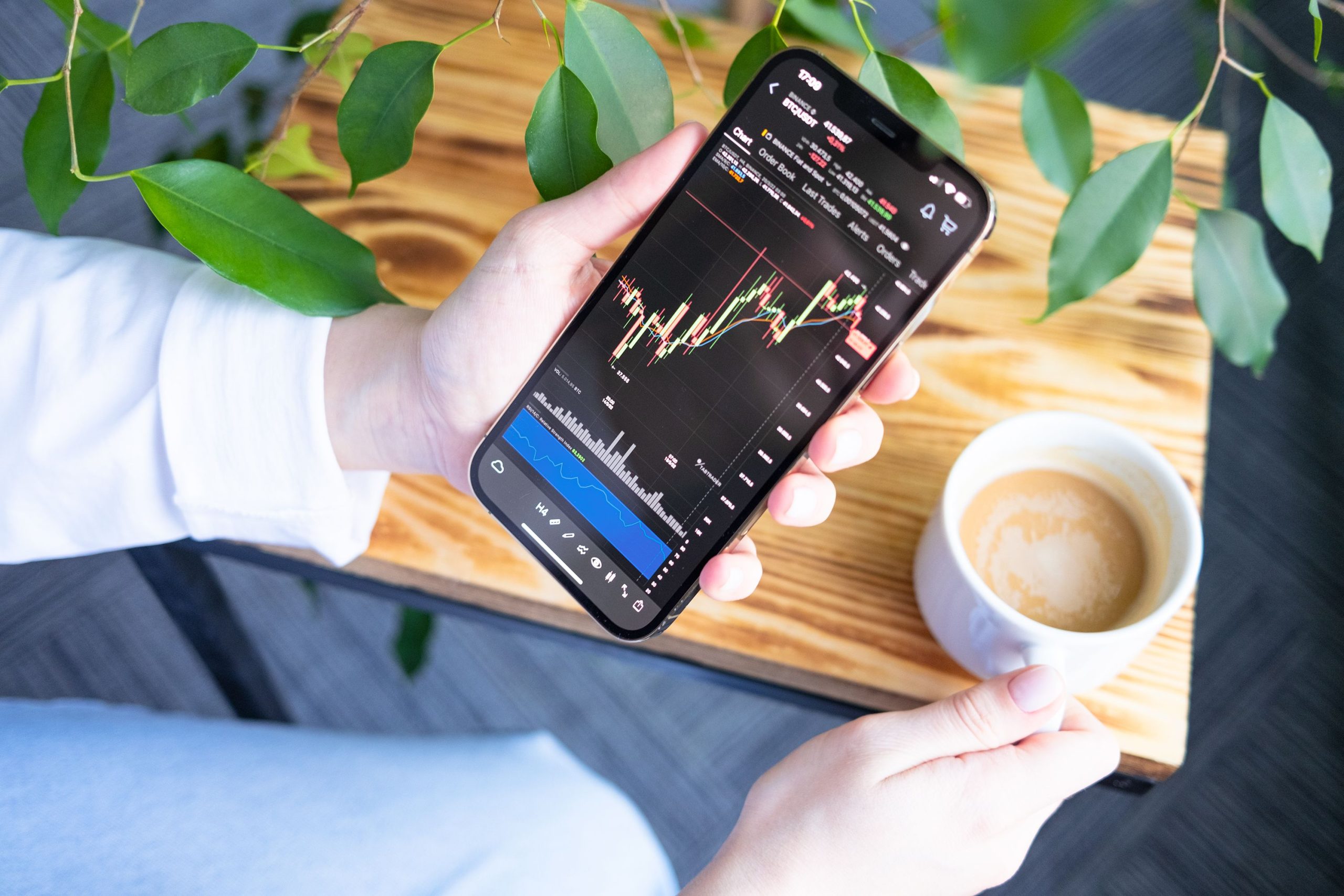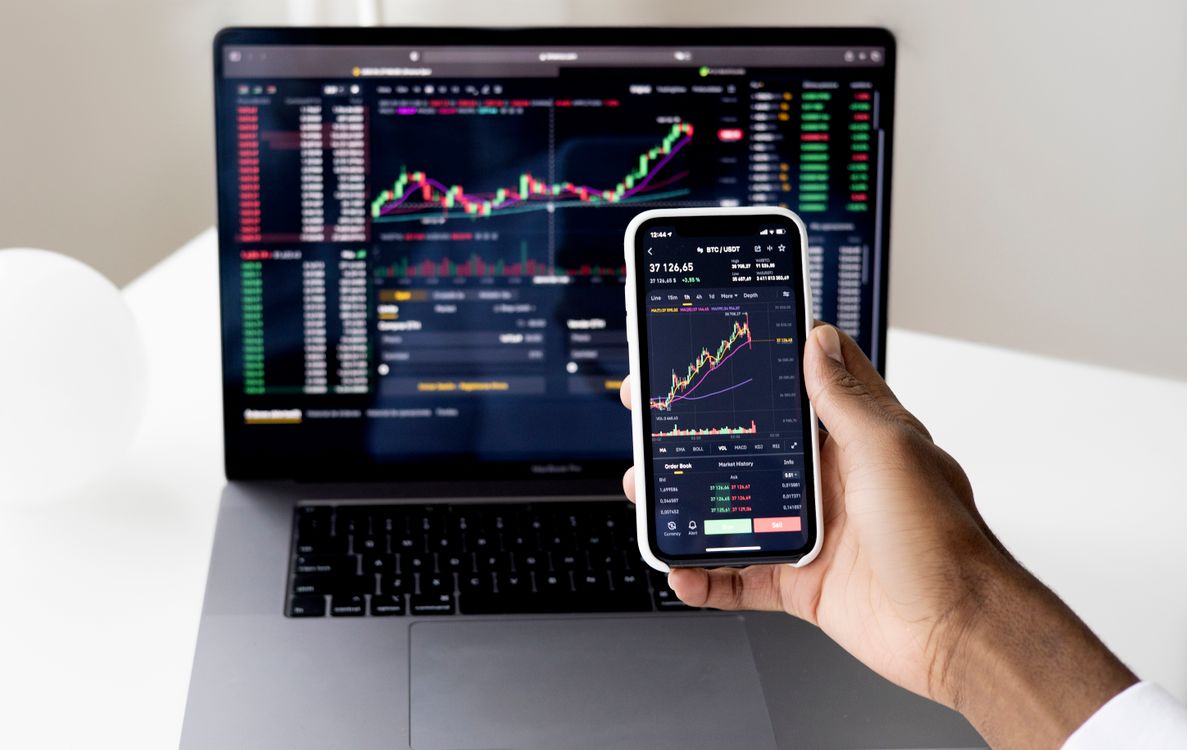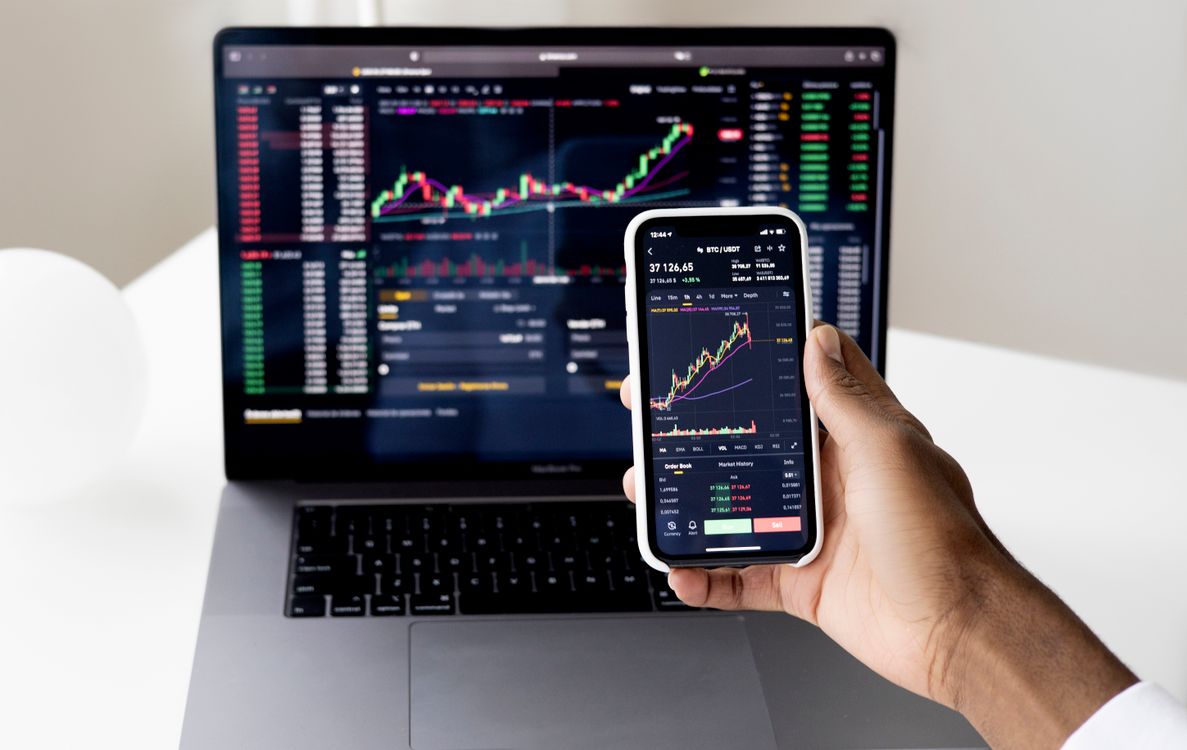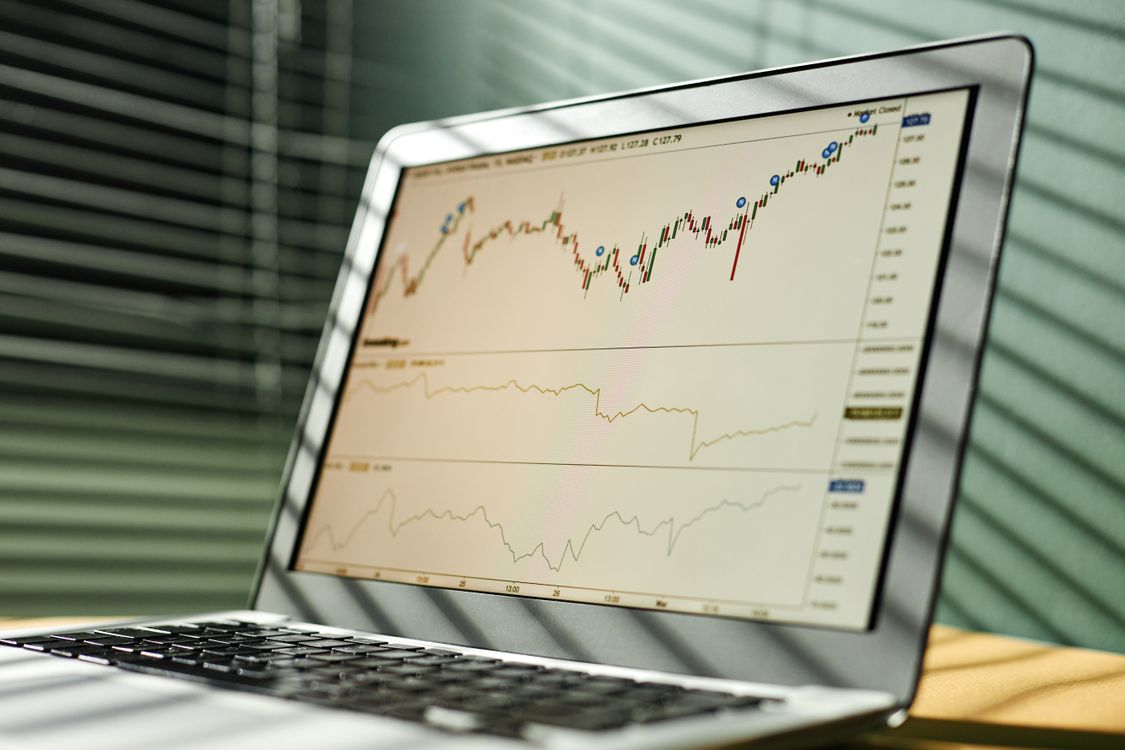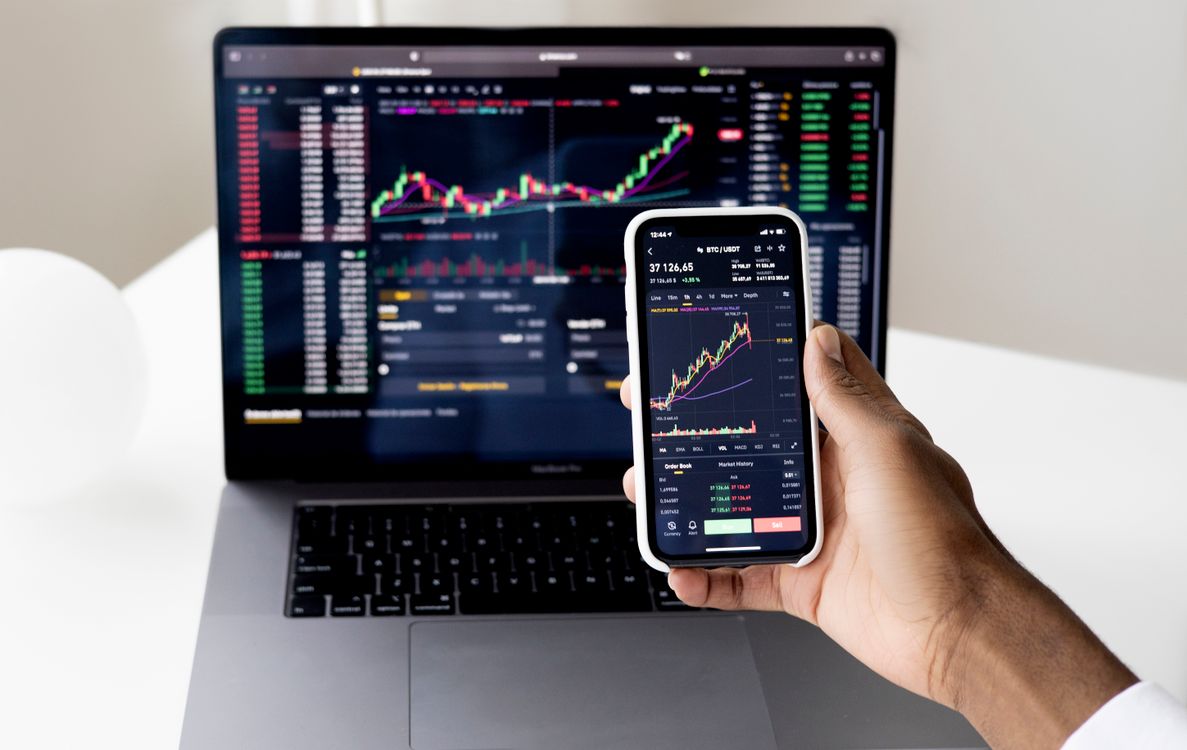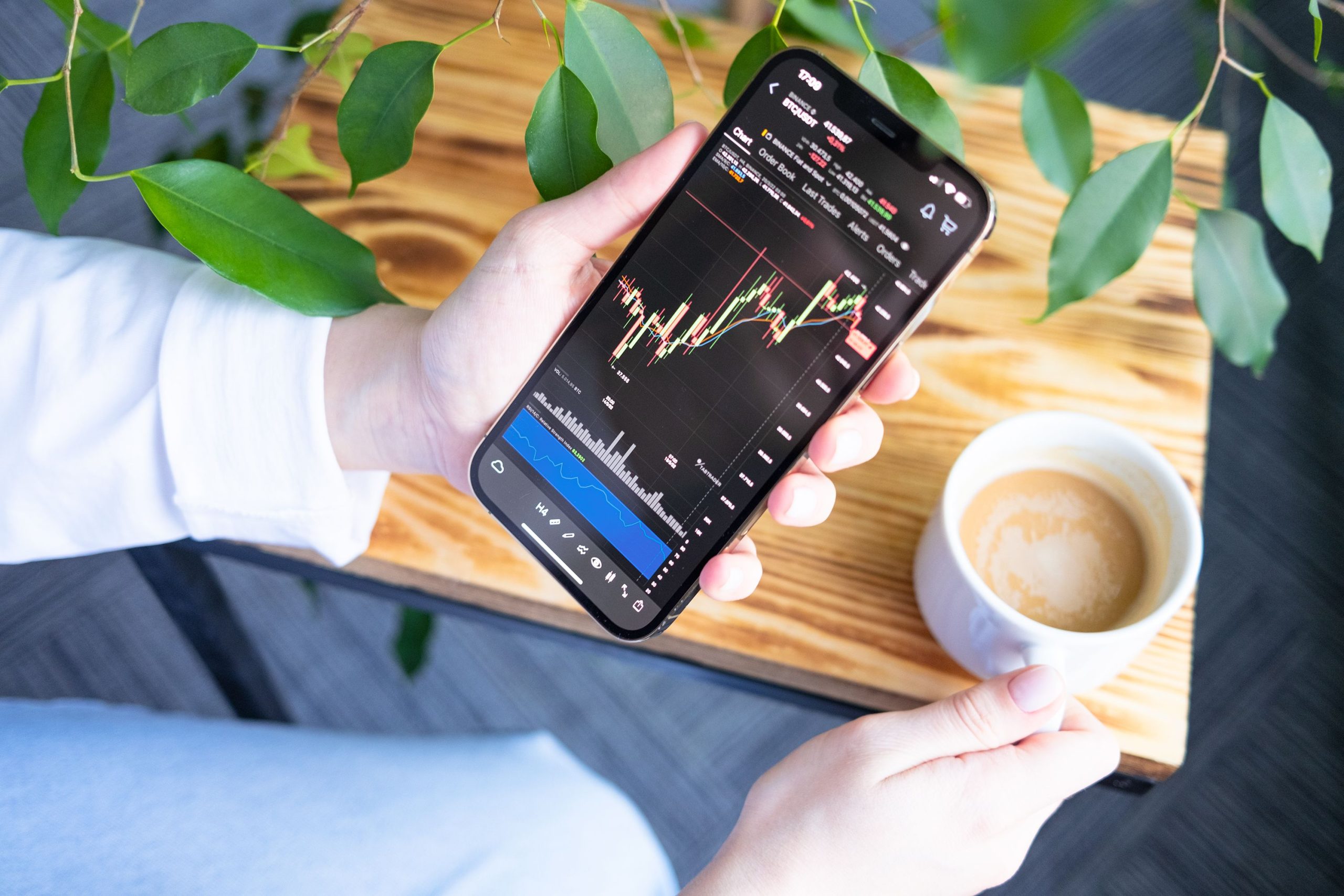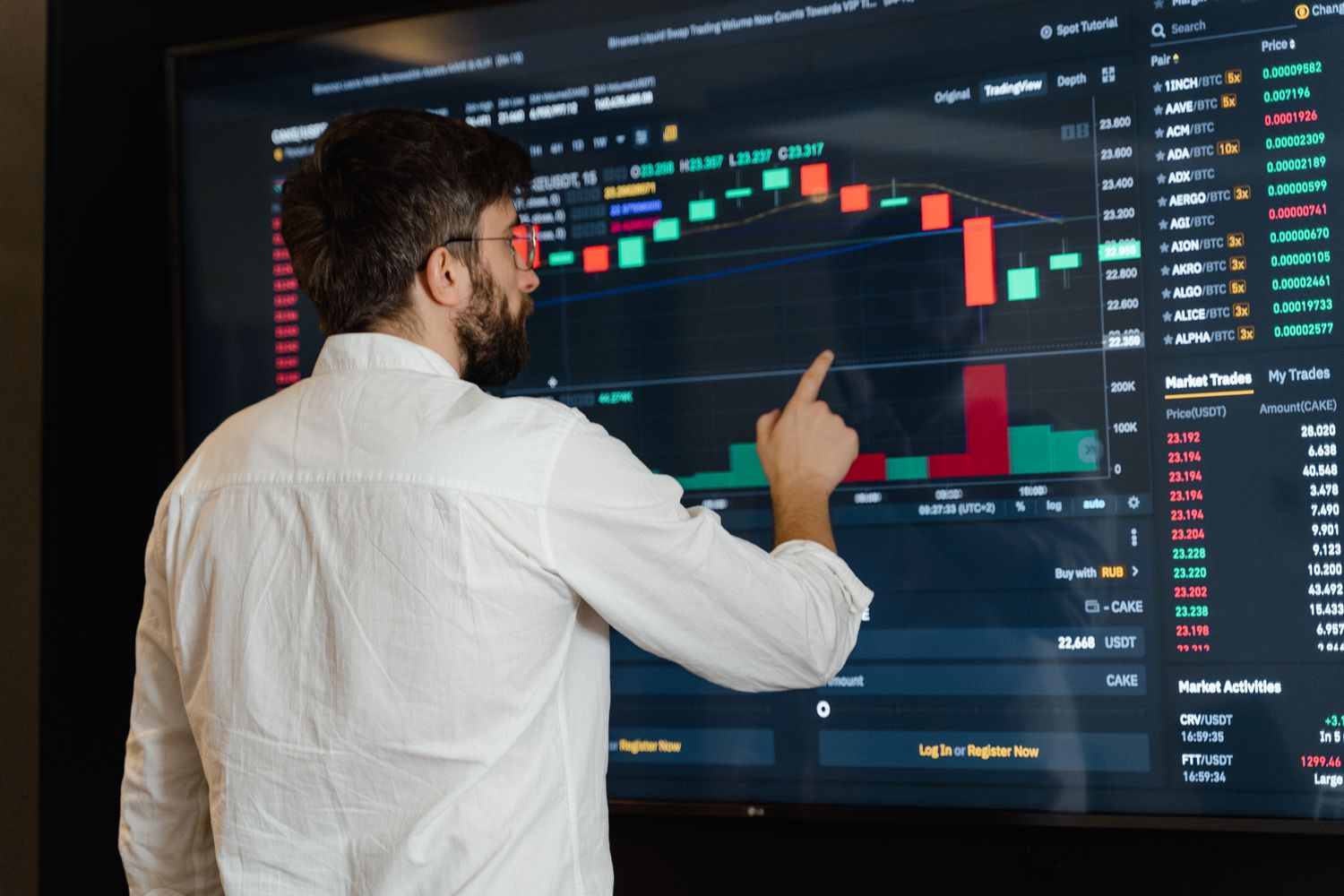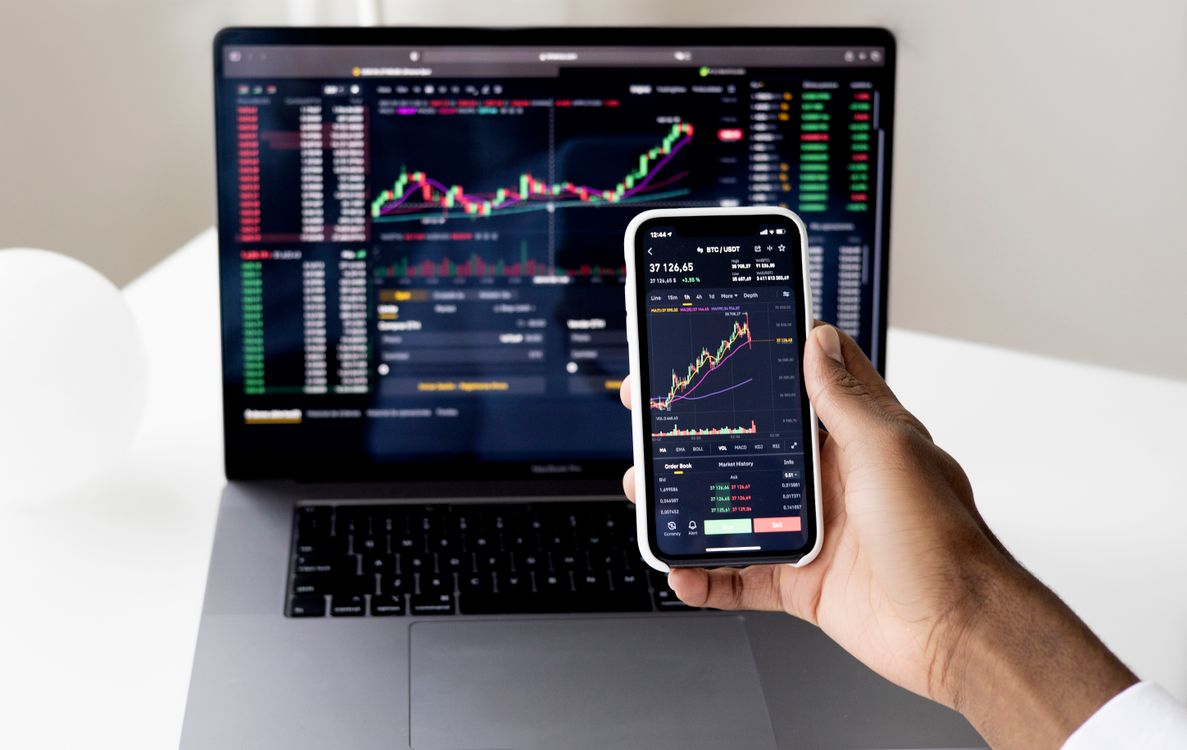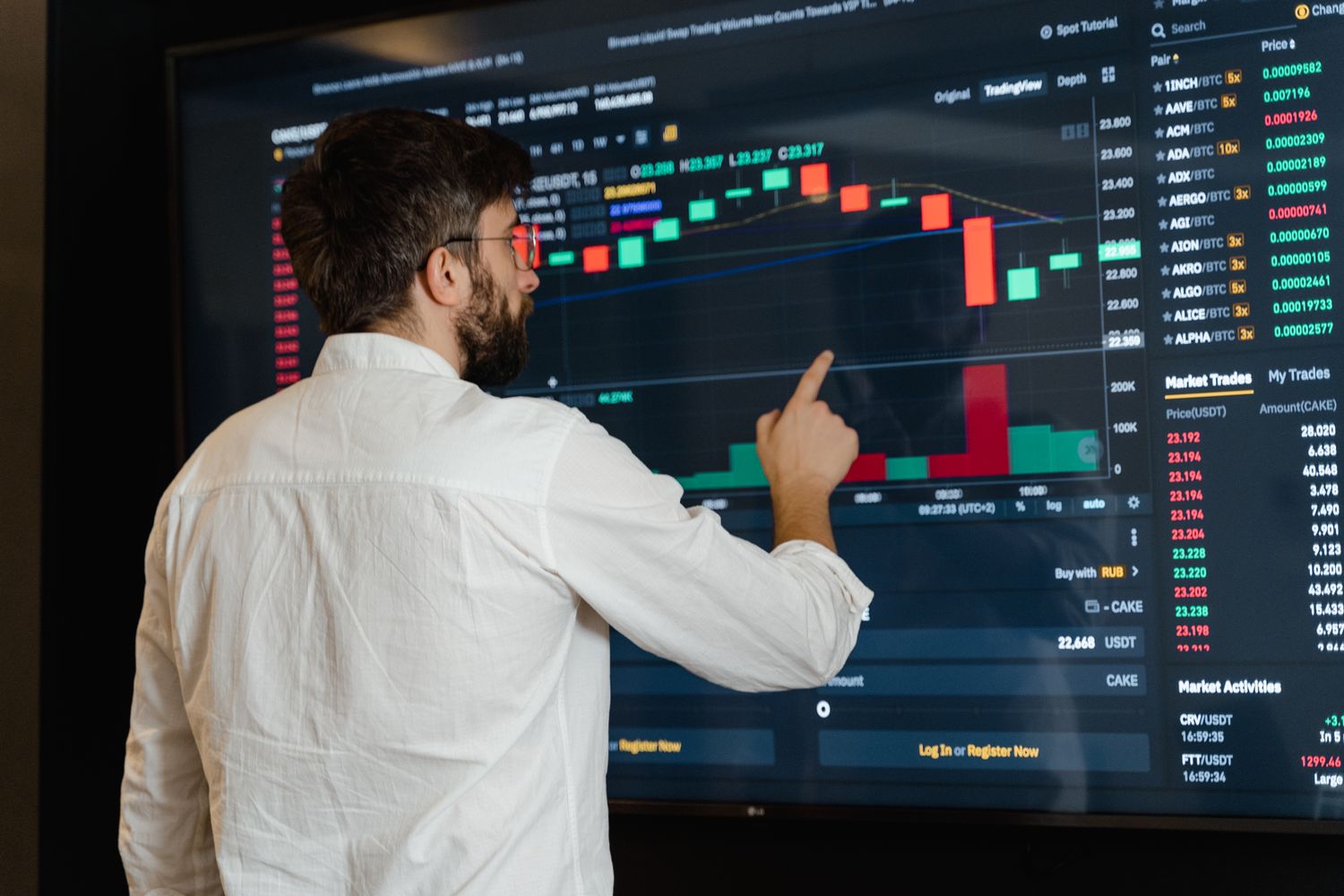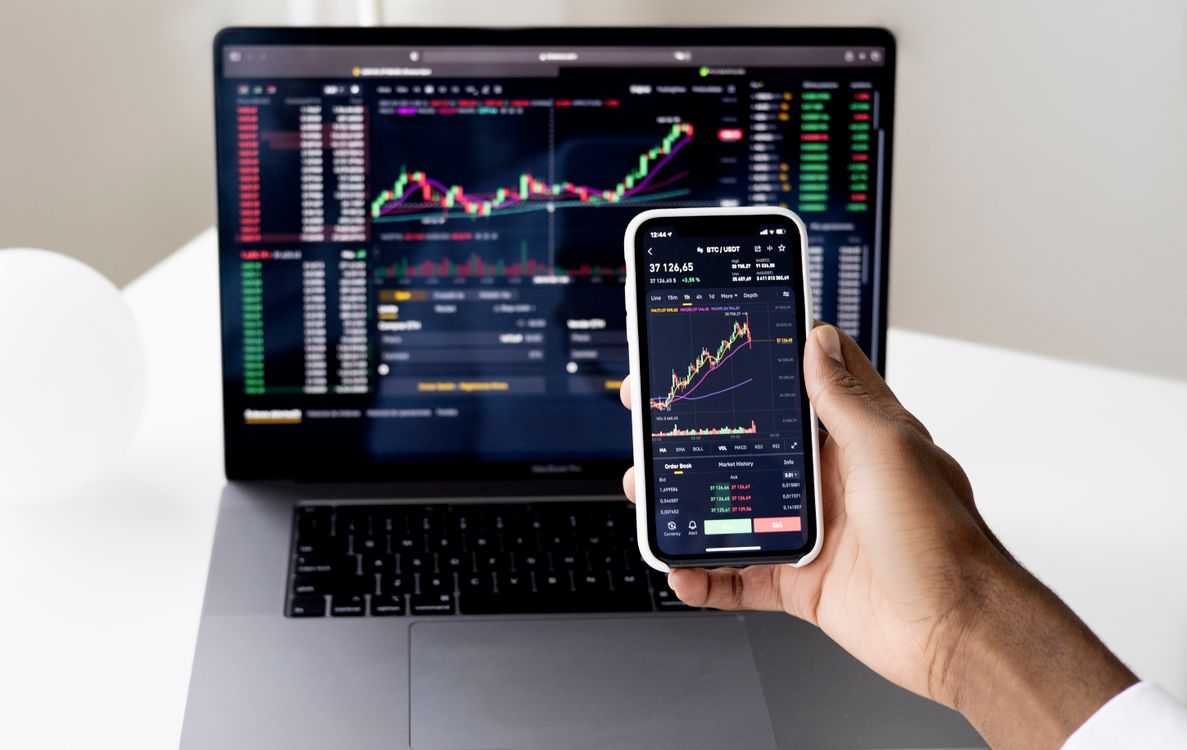
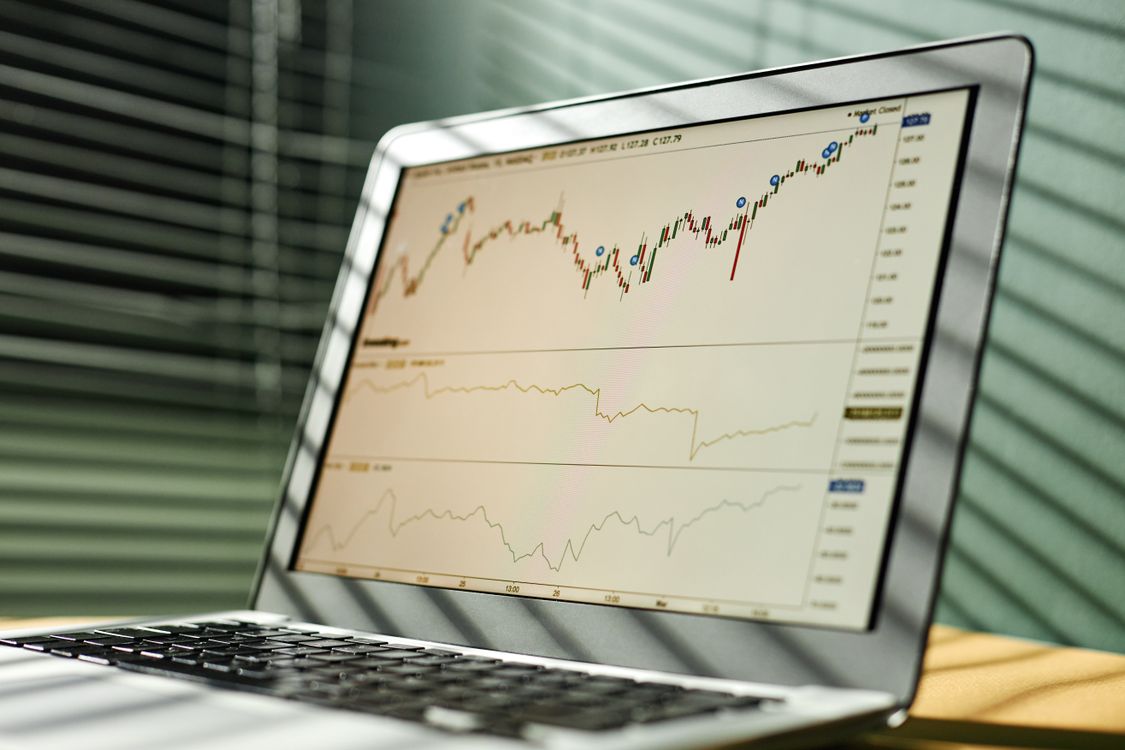
Picture this. It is 2 a.m. in Nashville, and news breaks on the other side of the world that sends a company’s stock soaring. By the time you wake up, check your phone, and open your brokerage app, the move is over. The headlines got it. The overnight traders got it. You got the leftovers.
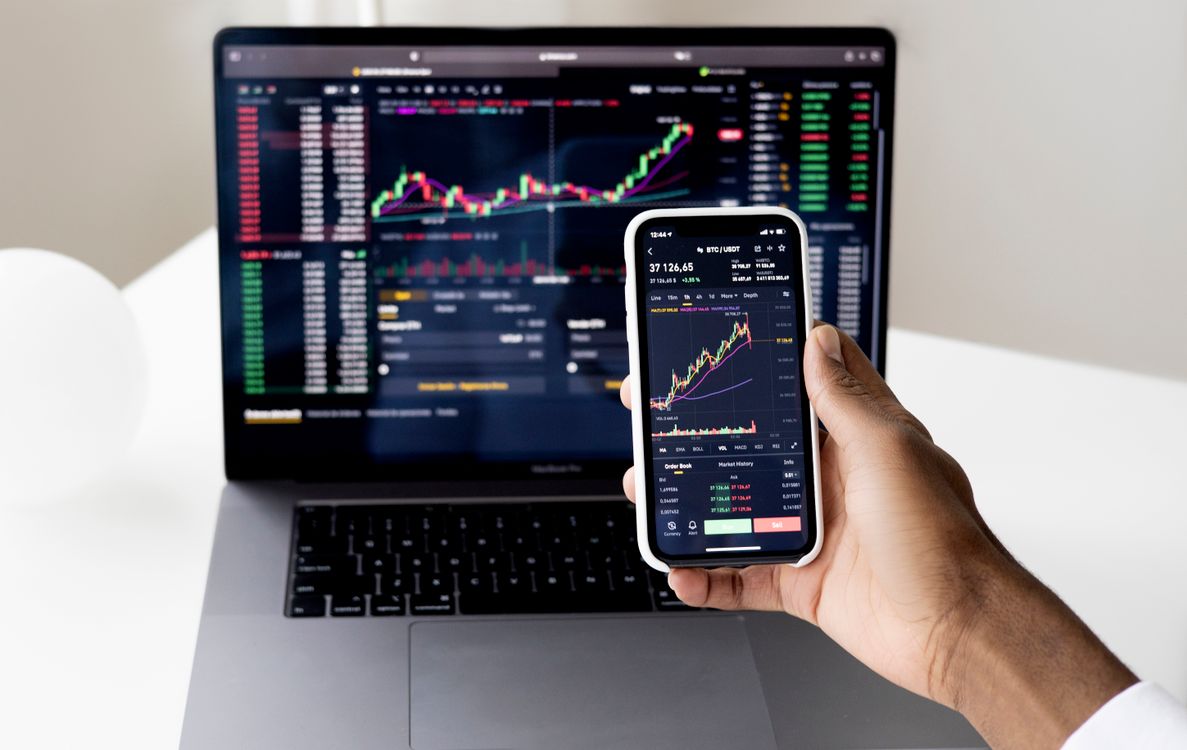
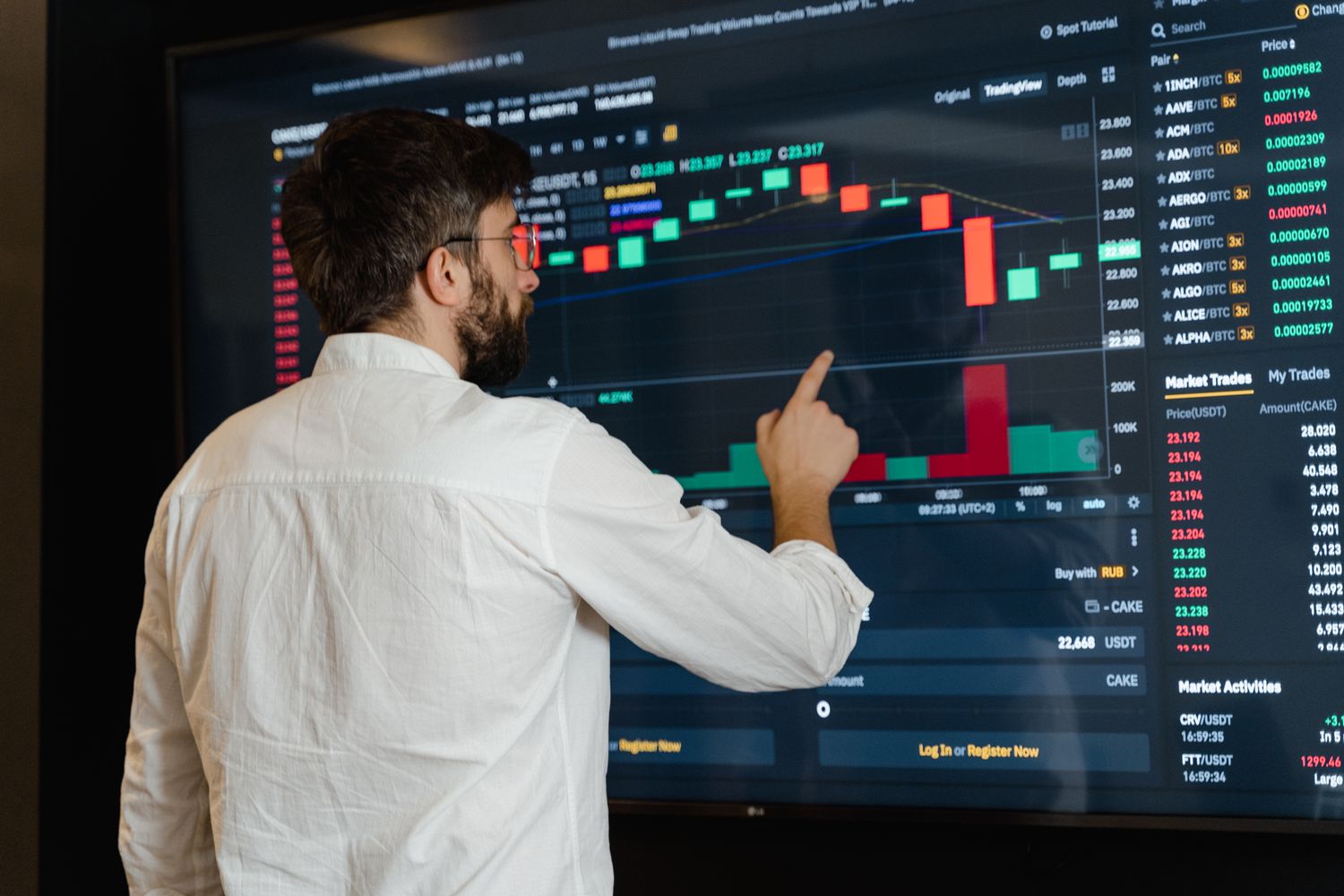
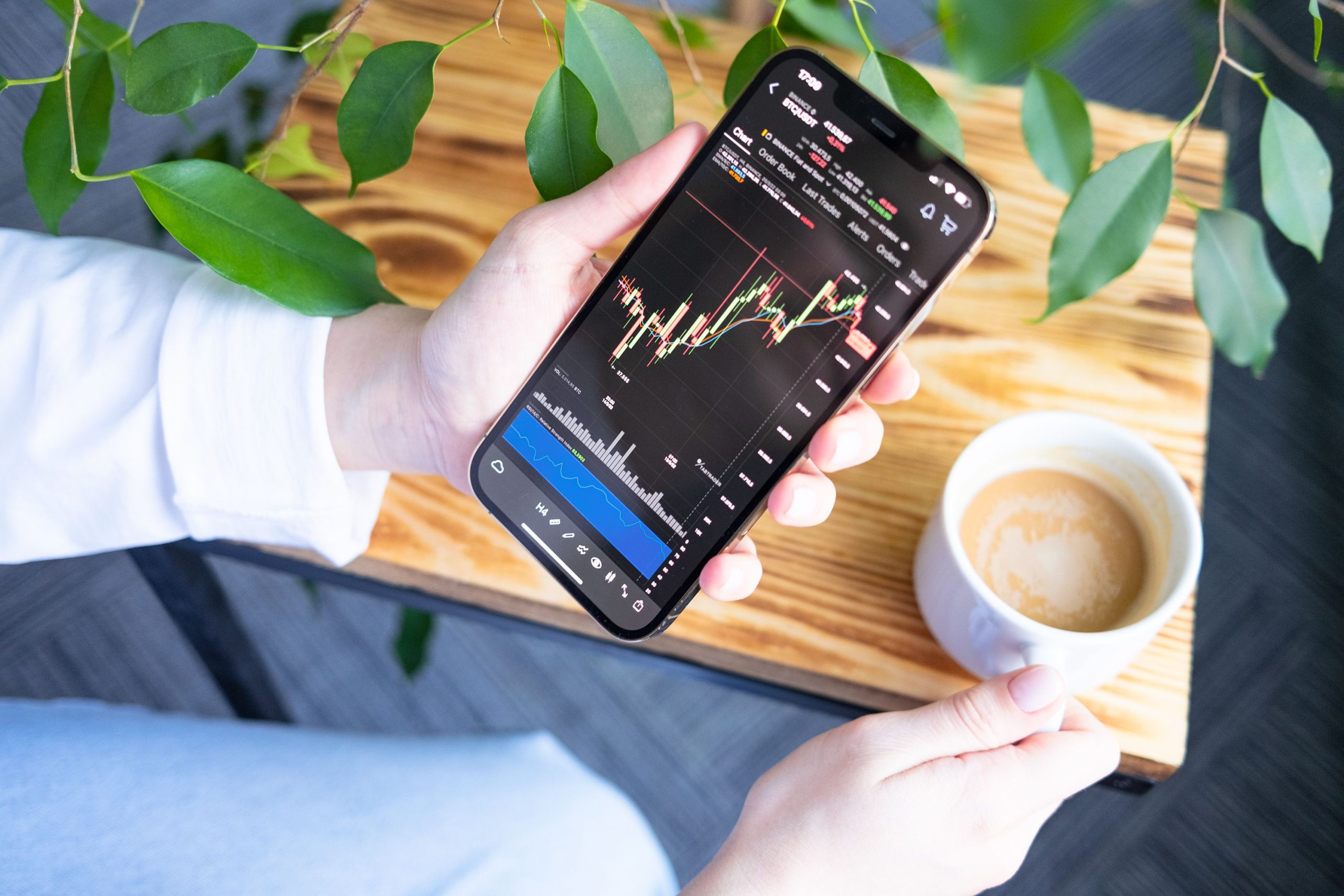
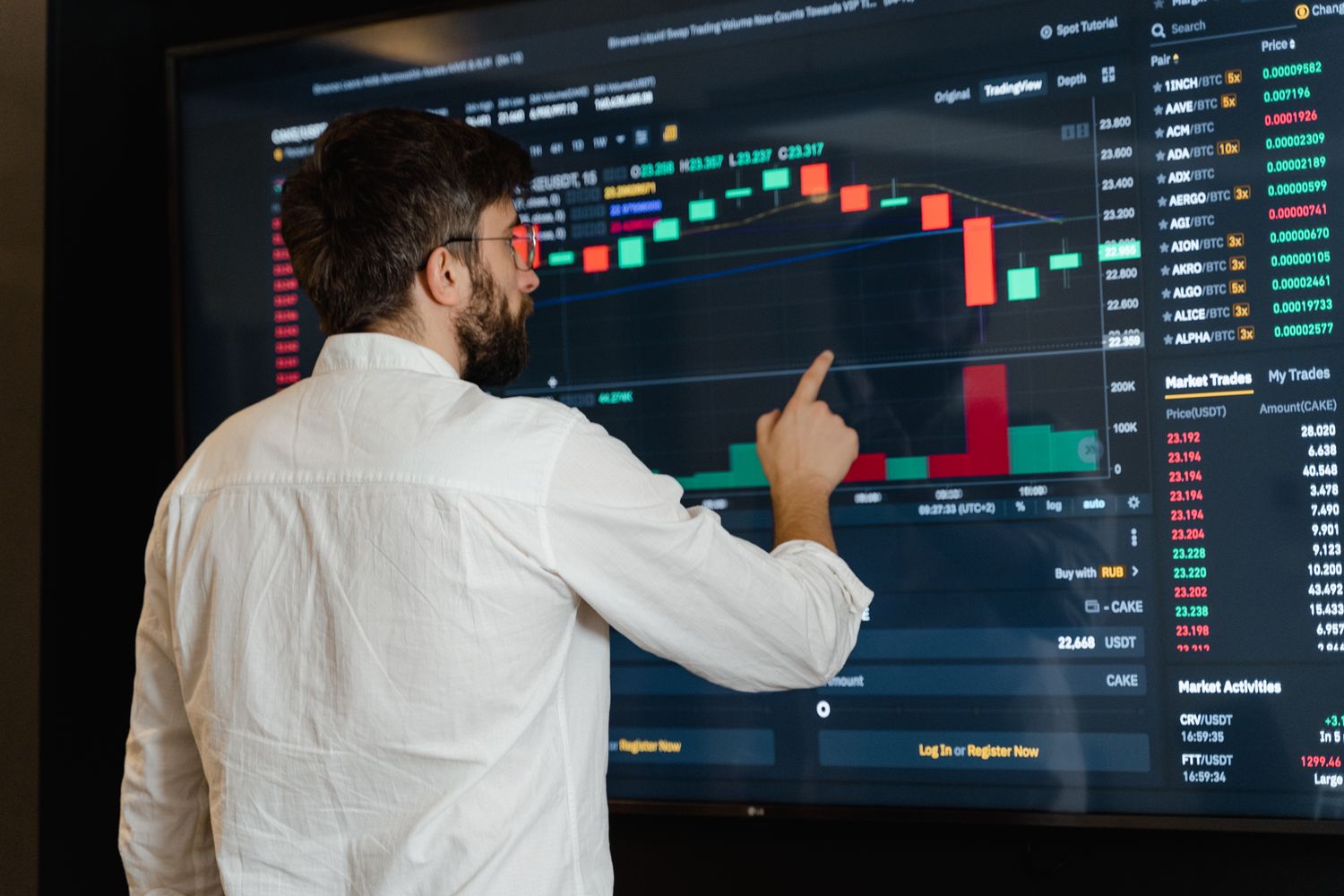
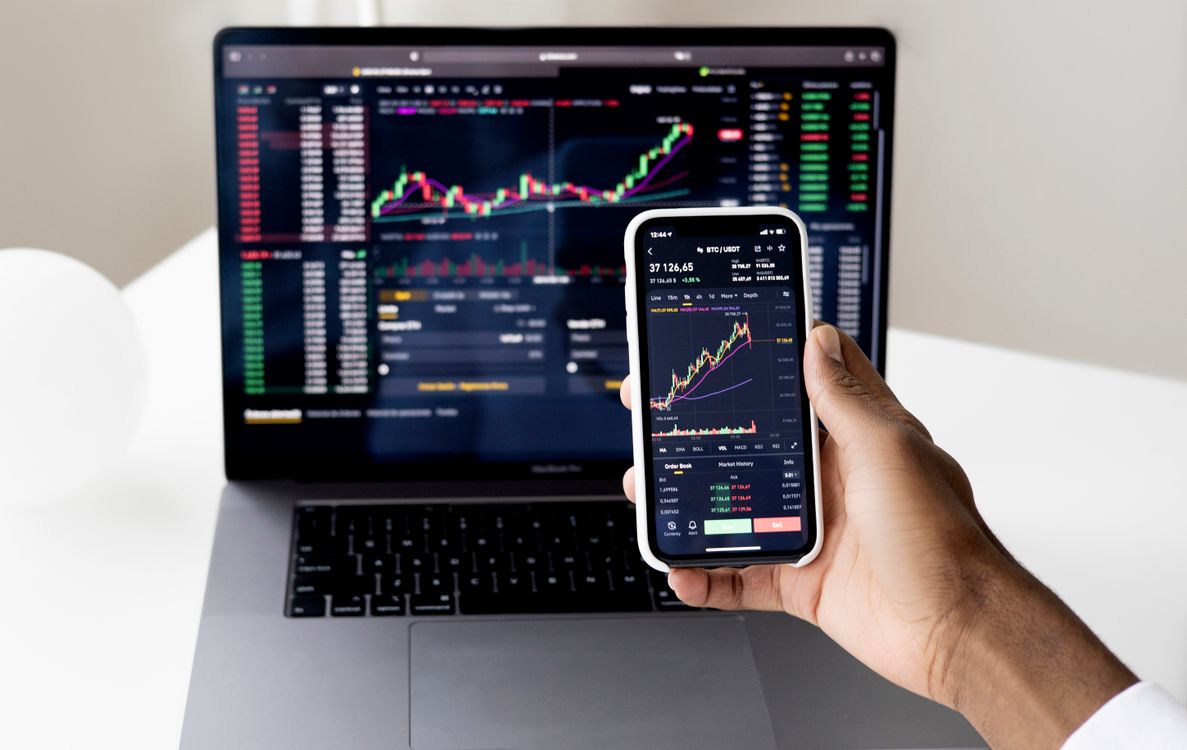
That gap between when news happens and when ordinary investors can act on it may be closing. This week, Robinhood announced that starting next year, select stocks and ETFs will be tradable 24 hours a day, seven days a week, expanding its current around-the-clock weekday trading. It is the boldest step yet in a race that already includes Charles Schwab, the Nasdaq, and even the London Stock Exchange, all of which are working on round-the-clock trading. The stock market as we know it, the one with its opening bells and closing bells and long silent nights, is being quietly redesigned.
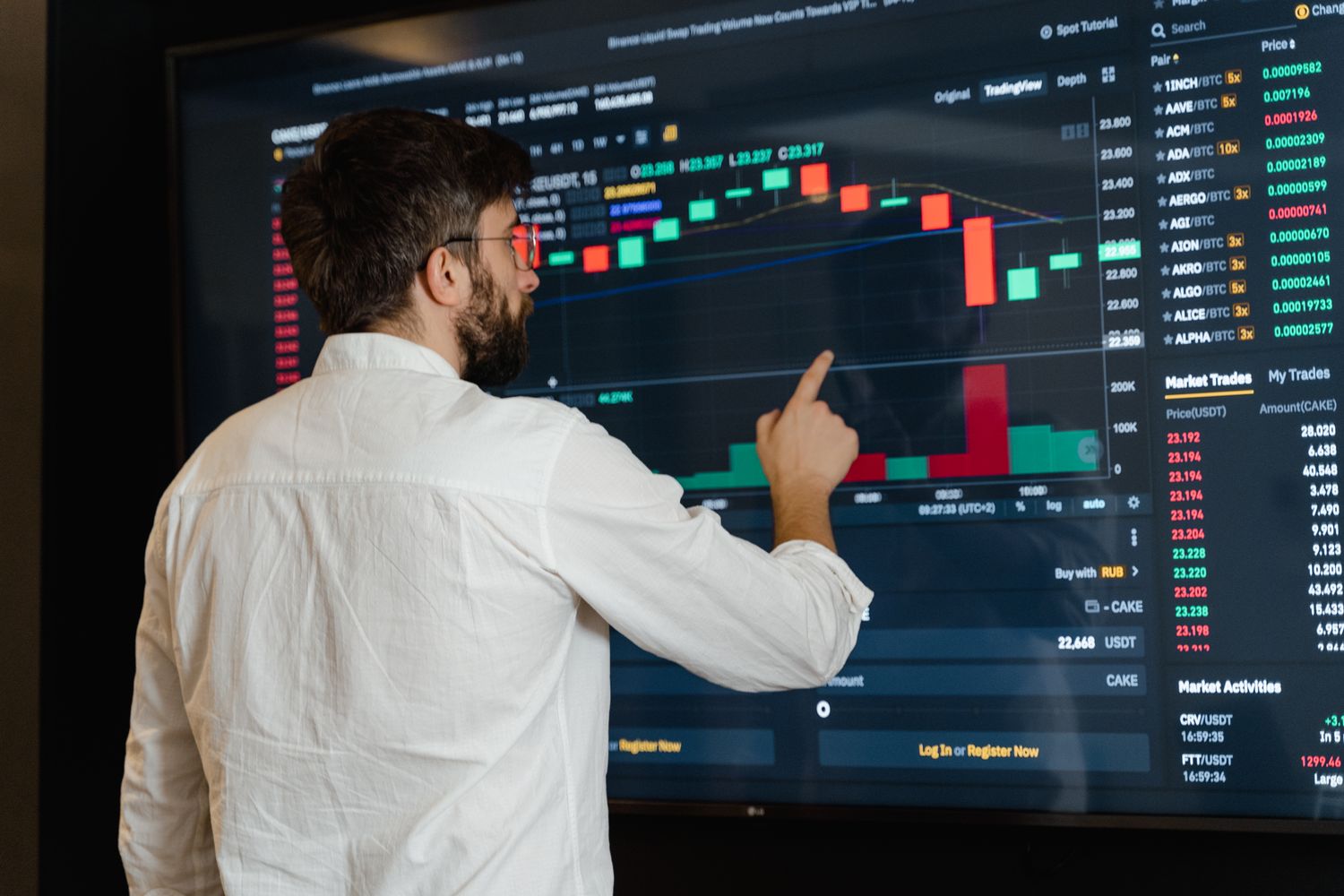
And 24/7 trading was only one of three announcements. Robinhood will also offer crypto perpetual futures on Bitcoin, Ethereum and other assets, and it unveiled AI-powered tools that let everyday users build their own automated trading agents using plain English. CEO Vlad Tenev put the vision this way: “It’ll create a new market, a new dynamic where traders can compete with one another over who can create the best strategy.” The company is not just giving you more hours to trade. It is giving you robots to trade for you.
Why this matters to someone who is not a day trader
Let me be honest with you. For most of us, trading at 3 a.m. is not the goal. The real story here is what 24/7 trading does to the power balance between professionals and everyone else.
For decades, the trading day had a rhythm that favored the pros. Overnight, while regular investors slept, institutional traders moved billions in after-hours and overseas markets. Futures contracts let hedge funds react to foreign news while your retirement account sat frozen. When the opening bell rang at 9:30 a.m. Eastern, the first few minutes of the trading day were essentially professionals cashing in on positions they had built while you were dreaming. That opening gap, the difference between yesterday’s close and today’s open, was a tax on being ordinary.
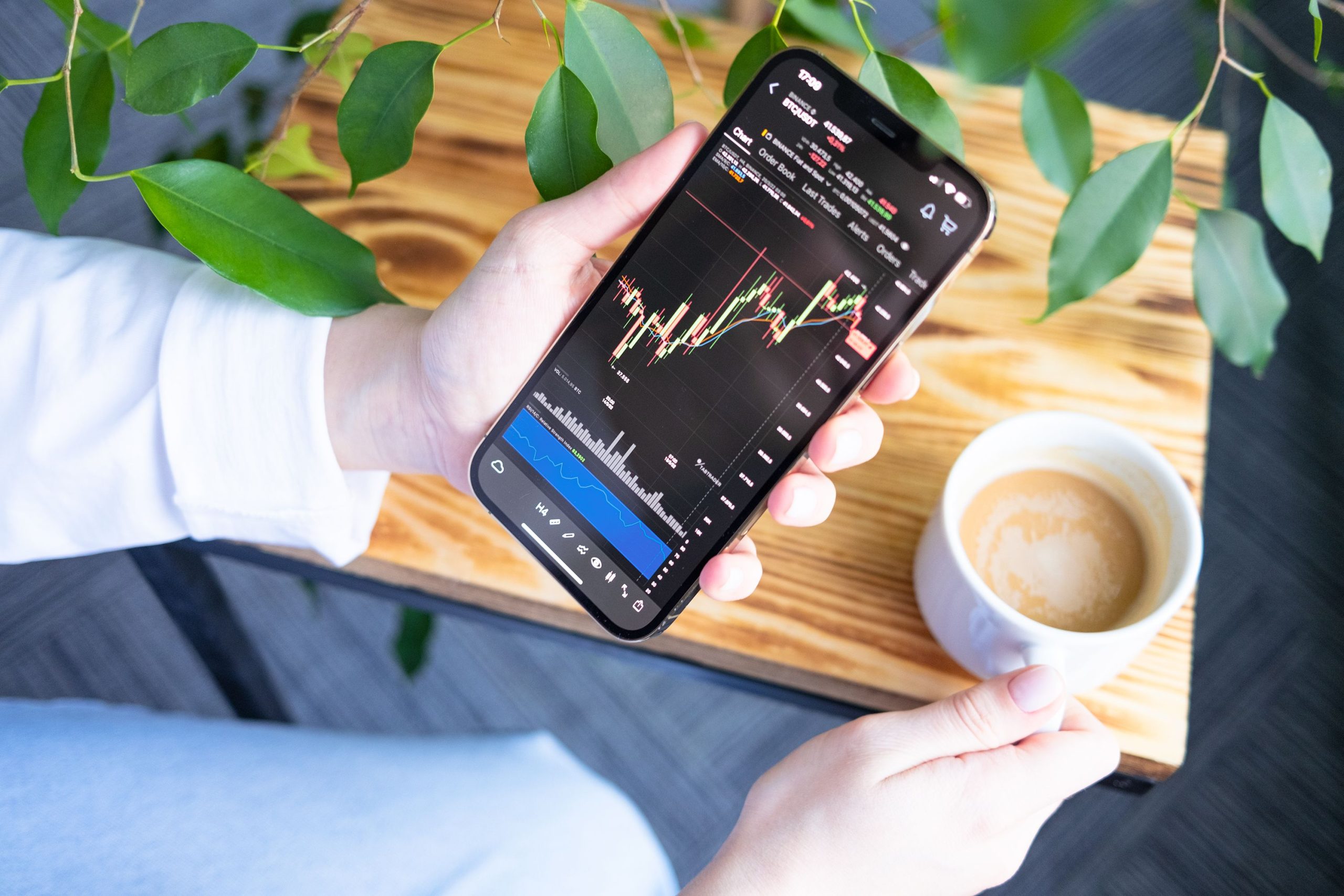
Round-the-clock trading chips away at that advantage. If a company’s earnings drop at midnight and you hold that stock, you can react at midnight instead of waking up to a gap down. For the millions of Americans whose portfolios live in a phone app, the market stops being a nine-to-five institution and starts being something closer to always on, like the rest of modern life.
There is a catch, and it is worth naming plainly. Liquidity, the number of buyers and sellers in the market at any given moment, is thinnest in the middle of the night. When fewer people are trading, the gap between what buyers will pay and what sellers will accept widens, and prices can swing wildly on small orders. Trading at 3 a.m. is not the same as trading at 10 a.m. The price you see may be real, but the cost of getting in and out can be higher, and a thin market can move against you fast. More access is genuinely good. It is also genuinely riskier in the small hours, and nobody at the launch event put that on the slide.
The “vibe investing” agents: clever, and worth a long look
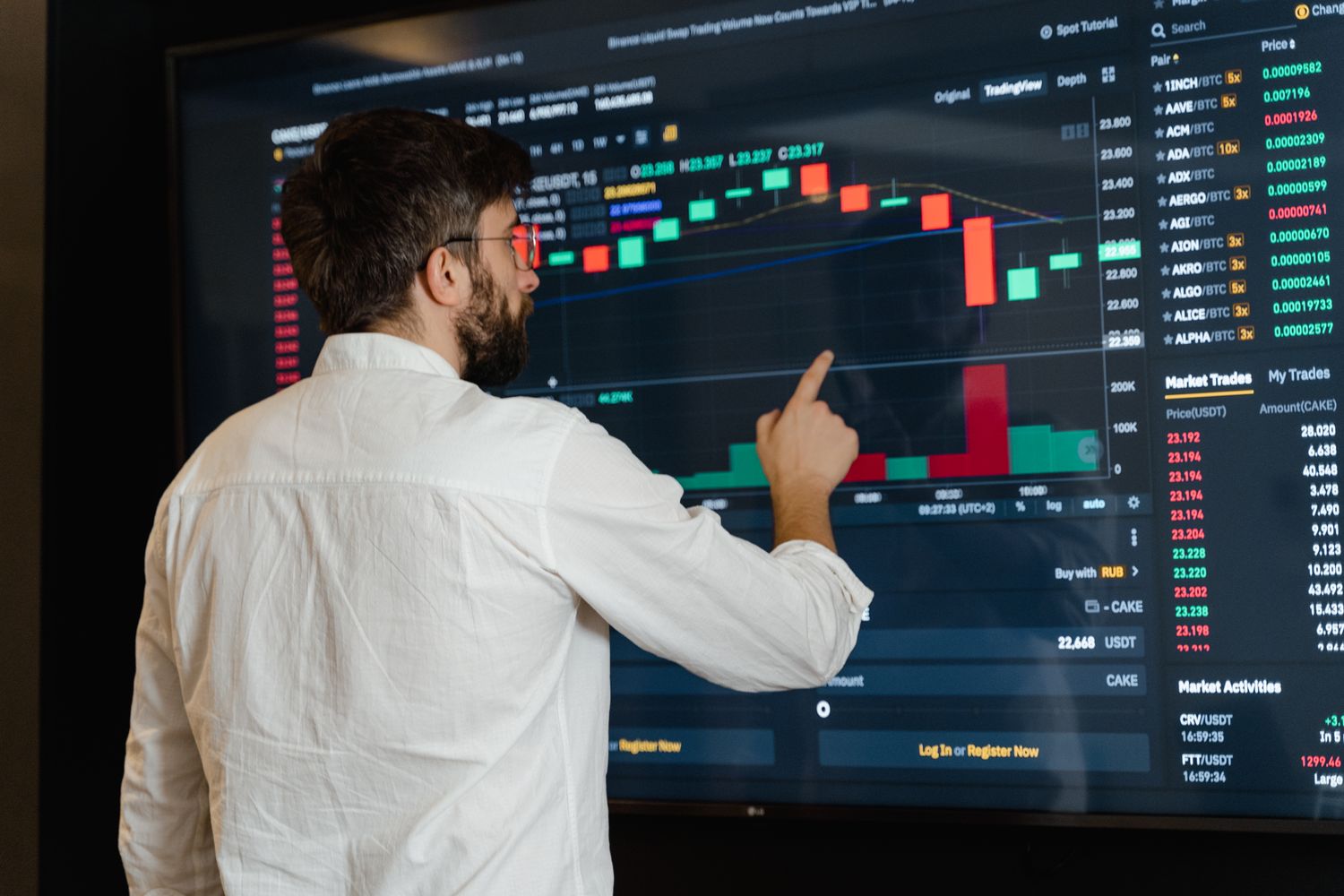
The AI trading agents are the more radical of the three announcements, and they deserve careful thought. The idea is simple to describe and strange to sit with: you tell the app, in plain English, how you want to trade, and the AI builds you an automated strategy that executes on its own.
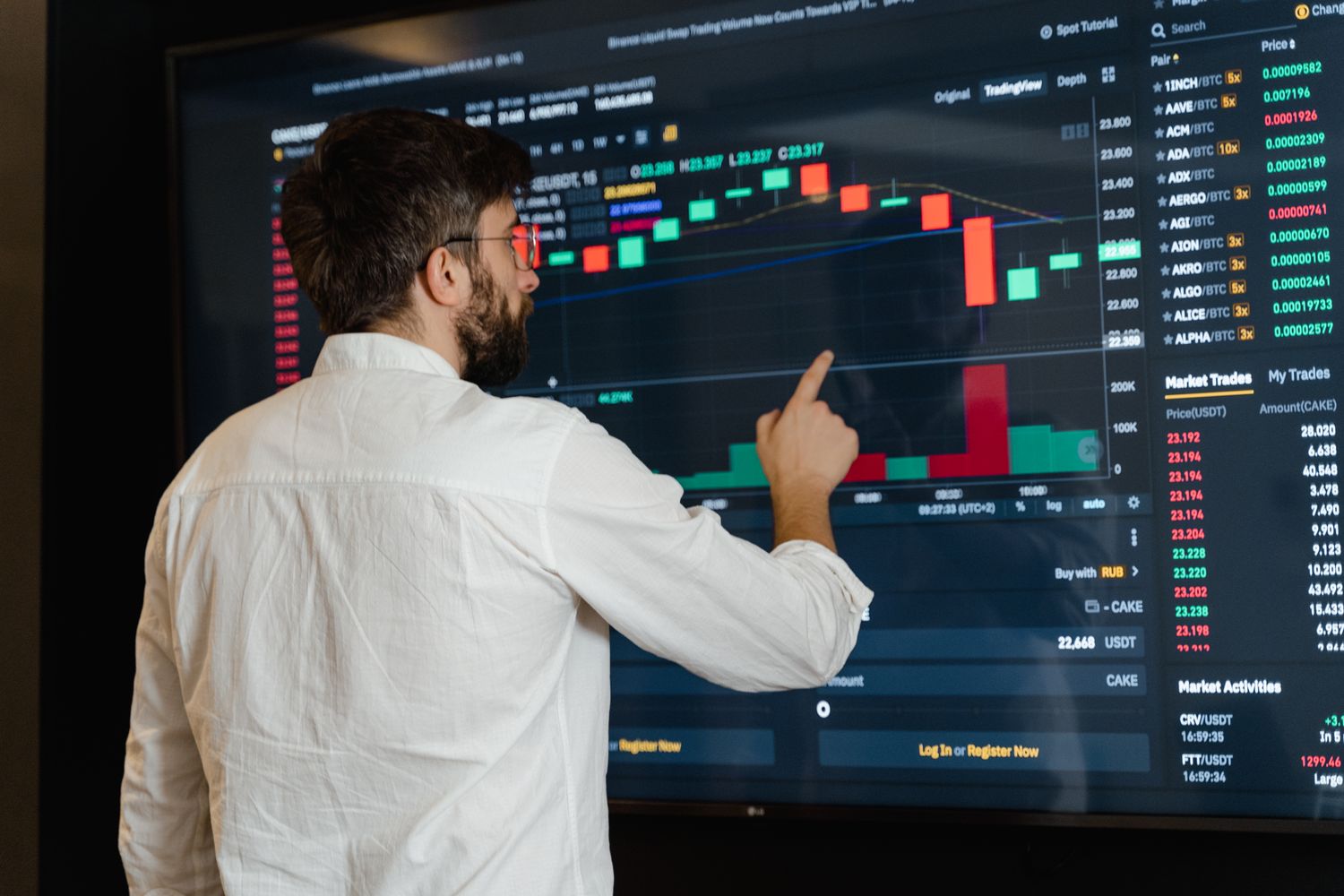
For a generation raised on prompts, this feels natural. Why read charts when you can describe the pattern you want? Why set stop-losses by hand when an agent can watch the market for you? Tenev’s framing is that ordinary traders will compete on who builds the best strategy, democratizing the kind of algorithmic trading that was once the exclusive playground of hedge funds with PhDs.
Here is my honest take, offered as a friend who has watched financial innovation for years: the same technology that democratizes trading also democratizes the mistakes. Algorithmic trading at hedge funds comes with risk departments, position limits, and kill switches. An agent built from a paragraph of plain English comes with none of that. The history of retail investing has a rhythm to it, too. Every cycle brings a new tool that promises to level the playing field, from commission-free trading to fractional shares to options in a thumb swipe. Each one genuinely helped. Each one also created a new way to lose money faster.
That is not a reason to reject the tool. It is a reason to treat it like a power tool: enormously useful in trained hands, dangerous in careless ones. If you ever use an AI trading agent, start with money you can afford to lose completely, set hard limits on what it can do, and never let it touch your retirement savings.
The business behind the announcement
Markets, for now, are skeptical of the story even as analysts love it. Morgan Stanley and Deutsche Bank reiterated buy ratings with price targets of 150 and 134 dollars, well above the stock’s 112.50 dollar close. Yet shares fell 3.20 percent on Wednesday after the announcements. The gap between analyst enthusiasm and market reaction tells you something: investors see the ambition, and they also see a company valued for growth that must now deliver it.
The announcements also confirm a structural shift in the brokerage industry. Trading commissions went to zero years ago. The new battleground is features: who gives you the most hours, the most products, the most intelligent tools. Schwab, Nasdaq and the LSE moving in the same direction as Robinhood tells you this is not one company’s gimmick. It is the industry’s consensus about where the market is going.
What to actually do with this information
Most readers of this site are not going to trade at 2 a.m., and that is fine. The practical takeaways are simpler.
First, understand that the investing landscape is tilting further toward the active and the always-on. That makes the quiet, boring virtues, diversification, low costs, long time horizons, more valuable, not less. When the market never sleeps, the advantage goes to the investor who does not need it to.
Second, if you do trade individual stocks, 24/7 access is a genuine improvement for reacting to real news. Use limit orders, especially in thin overnight hours, so you never pay more than you intended. A limit order is your seatbelt in a faster car.
Third, watch the AI agents from a distance for now. Let others be the early adopters. The technology will improve, the guardrails will evolve, and you will still be here when the dust settles.
The market is changing its hours. Your financial plan does not have to change its values. The investors who do best in the always-on era will be the ones who remember that the goal was never to trade the most. It was to build the life the money is for.